Top 5 Tevo Tarantula Upgrades You Need
The Tevo Tarantula was a popular 3D printer, especially for those new to the hobby. Its affordability and open-source nature made it a great entry point. However, like any budget printer, the Tevo Tarantula could benefit from a few upgrades to improve its performance, print quality, and overall user experience. This guide will highlight five essential upgrades to transform your Tevo Tarantula from a basic machine into a reliable and efficient 3D printing workhorse. These upgrades are relatively easy to implement and will significantly enhance your 3D printing experience. If you’re looking to take your Tevo Tarantula to the next level, these are the modifications you should focus on. Let’s dive into the best ways to improve your printer and boost your printing success!
Why Upgrade Your Tevo Tarantula
Upgrading your Tevo Tarantula offers several key benefits that go beyond simply improving print quality. The primary reasons to upgrade include improved print quality, faster print speeds, increased reliability, and a better overall user experience. By addressing the printer’s inherent limitations, such as the stock extruder and bed adhesion, you can unlock the full potential of your Tevo Tarantula. Upgrades can also reduce the need for constant adjustments and troubleshooting, allowing you to focus more on creating and less on fixing your printer. Ultimately, the upgrades recommended here are designed to enhance the user’s printing satisfaction, extending the printer’s usable life, and improving the overall quality of the final prints.
Improved Print Quality
One of the most significant improvements you’ll see after upgrading your Tevo Tarantula is enhanced print quality. Upgrades like a metal extruder and a heated bed contribute to finer details, fewer layer inconsistencies, and better overall surface finishes. A stable and consistent temperature, achievable with a heated bed, is crucial for the adhesion of the first layer, which is the foundation of any successful print. A metal extruder helps to maintain a steady flow of filament. This reduces issues such as under-extrusion or over-extrusion that could cause defects like gaps in layers and uneven surfaces. These enhancements translate directly into better-looking models, allowing you to create more intricate designs and achieve professional-grade results.
Increased Print Speed
While the Tevo Tarantula is not known for blazing-fast print speeds, certain upgrades can help you optimize its performance. Upgrading the firmware allows for more efficient motion control and can lead to faster printing without sacrificing quality. With a metal extruder, you can often increase the printing temperature, which in turn allows for faster print speeds as the filament melts and extrudes more quickly. It’s important to balance speed and quality; however, the right upgrades allow you to find a sweet spot that suits your needs. Remember that achieving higher speeds may require additional tuning and calibration, but the potential for significant gains in printing productivity is well worth the effort.
Enhanced Reliability
Reliability is a crucial factor for any 3D printer. Upgrading components like the extruder and adding a heated bed can significantly improve the Tevo Tarantula’s reliability. A metal extruder is less likely to suffer from filament jams or wear and tear compared to the stock plastic extruder. A heated bed ensures consistent temperature maintenance, improving the adhesion and the overall print success rate. Firmware upgrades can address software bugs and introduce enhancements that improve the printer’s stability. By choosing reliable components and keeping your printer updated, you minimize downtime and increase the number of successful prints you achieve. This translates to fewer frustrating failed prints and more time creating.
Better User Experience
A better user experience is often overlooked but is a crucial aspect of any 3D printer upgrade. Features like a bed leveling sensor, which automates the often tedious process of manually leveling the print bed, make the overall experience more enjoyable. Upgrading to a more robust and user-friendly firmware can also simplify the printing process, providing a better interface for controlling and monitoring your prints. Improved control interfaces make it easier to configure your printer and monitor its progress. By investing in upgrades that prioritize usability, you’ll save time, reduce frustration, and make 3D printing a more accessible and enjoyable hobby.
Top 5 Tevo Tarantula Upgrades Detailed
Upgrade 1 Metal Extruder
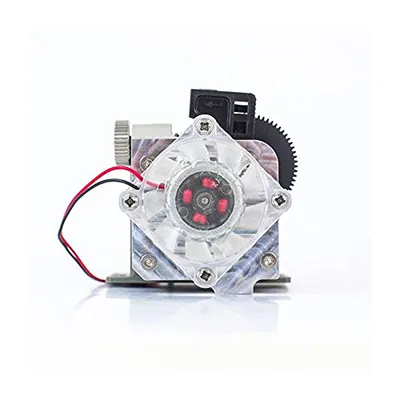
Replacing the original plastic extruder with a metal one is a highly recommended upgrade. Metal extruders are more durable, less prone to breaking, and handle higher temperatures. This results in more reliable filament feeding, which is crucial for consistent prints. With a metal extruder, you’ll experience fewer jams, more precise filament control, and improved print quality. They also allow you to experiment with a wider range of filaments that may require higher extrusion temperatures. This small change drastically enhances your printer’s performance and opens up new possibilities for your 3D printing projects. Choose a metal extruder that is compatible with your existing hot end to ensure easy installation.
Benefits of a Metal Extruder

- Increased Durability
- Improved Filament Feeding
- Reduced Risk of Jams
- Higher Temperature Tolerance
- Compatibility with a Wider Range of Filaments
Upgrade 2 Heated Bed
The Tevo Tarantula comes with a basic heated bed, but upgrading to a more reliable and better-performing heated bed is often a good idea. A stable heated bed is essential for good print adhesion, particularly when printing with materials like ABS or PETG. Look for a heated bed upgrade that offers consistent temperature distribution and has a good surface for the filament to adhere to. Consider a glass bed or a magnetic bed with a removable print surface. These upgrades can dramatically reduce warping and improve the chances of your prints sticking to the bed. The correct temperature settings vary depending on the filament used; consult your filament’s recommended temperature range for best results.
Importance of a Heated Bed
- Improved First Layer Adhesion
- Reduced Warping and Curling
- Wider Range of Printable Materials
- Consistent Print Quality
- Enhanced Overall Reliability
Upgrade 3 Firmware Upgrade
Updating the firmware of your Tevo Tarantula is a straightforward process that offers significant improvements. Firmware upgrades can bring stability improvements, new features, and optimizations for your printer. Repetier-Firmware or Marlin are popular and reliable options. Before upgrading, ensure you have a backup of your current configuration. You can find tutorials online for your specific printer model. The update can fix existing bugs, improve motion control, and enhance the overall performance of your 3D printer. Upgrading your firmware is often a free and easy way to enhance your printer’s capabilities and make the most of the other upgrades you’ve made.
Advantages of Firmware Updates
- Bug Fixes and Performance Improvements
- New Features and Functionality
- Optimized Motion Control
- Improved Printer Stability
- Better User Experience
Upgrade 4 Bed Leveling Sensor
Bed leveling is a crucial aspect of 3D printing, and a bed leveling sensor can make the process much easier. These sensors, such as an inductive or capacitive sensor, automatically measure the distance between the nozzle and the bed at multiple points. This data is then used to compensate for any imperfections in the bed’s level. This eliminates the need for manual bed leveling and reduces the chances of print failures due to an uneven bed. This is often the most significant upgrade in making the printing process easier and more reliable. These sensors also improve the first layer adhesion, making for a more seamless and less stressful printing experience.
How a Bed Leveling Sensor Works
- Sensor Detects Bed Distance
- Creates a Bed Level Mesh
- Compensates for Bed Imperfections
- Improves First Layer Adhesion
- Automates Bed Leveling
Upgrade 5 New Nozzle
Upgrading your nozzle can significantly impact the quality of your prints and the types of materials you can use. The stock nozzle is often made of brass, which can wear out over time. Replacing it with a hardened steel or a more durable material like a ruby-tipped nozzle provides better wear resistance and the ability to print with abrasive filaments like carbon fiber-filled materials. The size of the nozzle also affects print quality. A smaller nozzle (0.2mm-0.3mm) allows for finer details, while a larger nozzle (0.6mm-0.8mm) allows for faster printing and thicker layers. Experimenting with different nozzles lets you find the ideal setup for your specific needs.
Nozzle Types and When to Upgrade
- Brass Nozzle (Standard)
- Hardened Steel Nozzle (Abrasive Filaments)
- Nozzle Size (For Detail/Speed)
- Consider Durability and Print Quality
- Ruby-tipped Nozzle (Ultimate Wear Resistance)
Conclusion Upgrading Your Tevo Tarantula

Upgrading your Tevo Tarantula with the recommended components is an investment that will improve the overall printing experience and extend the life of the printer. From metal extruders and heated beds to firmware updates, bed leveling sensors, and nozzle upgrades, each modification contributes to better prints, faster speeds, and a more reliable machine. By implementing these upgrades, you’ll transform your Tevo Tarantula into a high-performing, user-friendly 3D printer capable of producing high-quality results. Take your time and enjoy the process of customizing your printer to meet your specific needs, and get ready to explore new possibilities in the world of 3D printing. Happy printing!