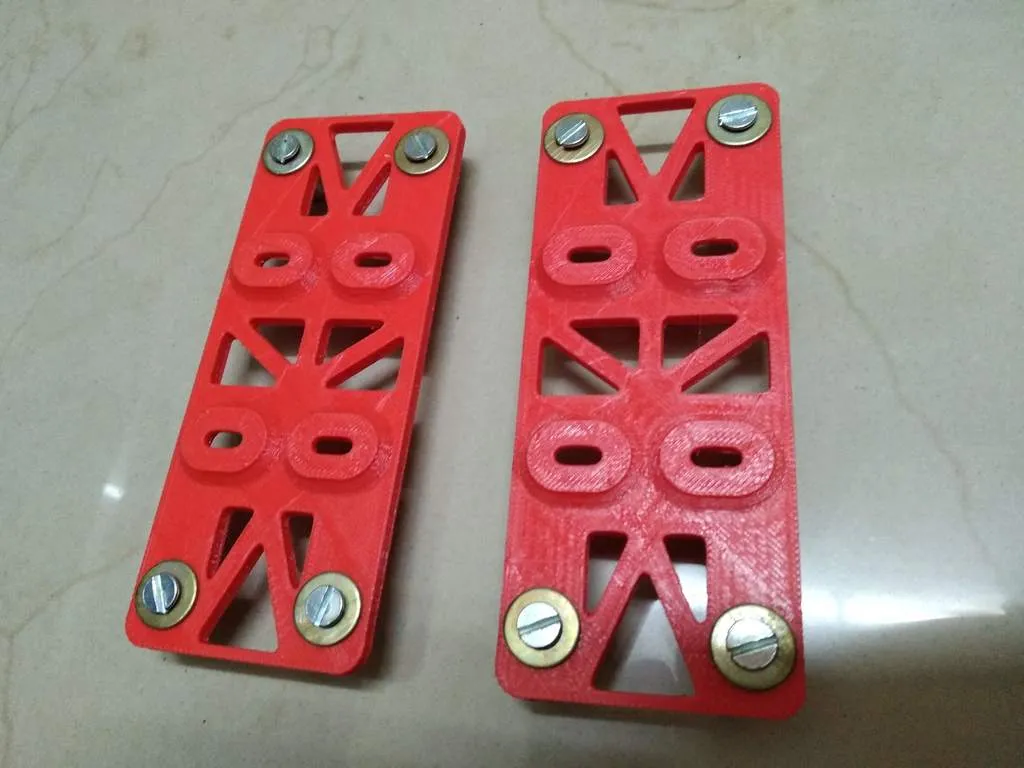
Leveling the bed of your Tevo Tarantula 3D printer is one of the most crucial steps in achieving successful and high-quality prints. This guide is designed specifically for beginners, providing a comprehensive, step-by-step approach to ensure you get the most out of your 3D printing experience. Proper bed leveling eliminates common issues, resulting in beautifully printed models. Let’s dive in and get your Tevo Tarantula printing flawlessly!
Understanding the Importance of Bed Leveling
Bed leveling is the process of ensuring that the distance between your 3D printer’s nozzle and the print bed is consistent across the entire surface. This is essential for creating a solid first layer, which forms the foundation for all subsequent layers. When the bed isn’t level, the nozzle may be too close to the bed in some areas and too far in others. This inconsistency leads to a host of problems.
Why Bed Leveling Matters
The first layer is where the magic happens, or where things go terribly wrong. Leveling ensures that the first layer adheres properly to the print bed. Proper adhesion prevents warping, where the corners of your print lift off the bed. A well-leveled bed also guarantees that the extruded plastic is compressed correctly against the bed, which is important for dimensional accuracy and overall print quality. Without it, you’ll be fighting issues from the start.
Consequences of Improper Bed Leveling

If your bed isn’t level, you will encounter a variety of problems. The nozzle might be too close to the bed, causing the plastic to squish out and leading to nozzle clogs and an uneven surface. Alternatively, the nozzle might be too far from the bed, which leads to poor adhesion, and the print won’t stick to the bed at all. You will have warping, the print can detach during printing, or the print may have gaps between the layers. All of these issues mean wasted filament and time.
Tools You’ll Need for Leveling Your Tevo Tarantula Bed
Fortunately, leveling your Tevo Tarantula doesn’t require a lot of specialized equipment. A few basic tools will allow you to level your bed quickly and effectively. Having the right tools makes the process much easier and more accurate.
Essential Tools
You will need some basic tools to level your bed. Most important is the use of a piece of paper – standard printer paper works perfectly. You’ll also need the tools that come with your printer, especially any wrenches or knobs used to adjust the bed. You might also consider a small ruler or a pair of calipers to check the distance between the nozzle and the bed. A clean surface to work is also important.
Optional Tools for Precision

For added precision, you can use a feeler gauge, which is a set of metal blades of different thicknesses, or a digital level. Although not strictly necessary, these tools can help to achieve a more accurate level. However, the paper method provides good results and it is what most people use when they use Tevo Tarantula.
Step-by-Step Guide to Leveling Your Tevo Tarantula Bed
The process of leveling your Tevo Tarantula’s bed is straightforward. This step-by-step guide will walk you through everything from preparing the printer to fine-tuning the settings.
Preparing Your Printer
Before you begin, ensure your printer is turned on and preheated to the appropriate temperature for your filament. This is important because the heated bed will slightly expand, which will affect the level. Also, clean the print bed to remove any debris or residue. You can use isopropyl alcohol and a clean cloth. Finally, ensure the nozzle is clean, and the print bed is stable.
Adjusting the Bed Height

The Tevo Tarantula has four adjustment knobs, one at each corner of the bed. You’ll use these knobs to raise or lower the bed at each corner. The goal is to have the nozzle the correct distance from the bed at all four points. Moving the nozzle closer will raise the bed, and moving it further away will lower the bed.
Using the Paper Method
The paper method is the most common and reliable way to level your bed. Place a piece of paper between the nozzle and the bed. Move the nozzle to the first corner of the bed. Adjust the corresponding knob until the nozzle lightly grips the paper as you slide it back and forth. You should feel a slight resistance. Repeat this process for each corner. Go around the bed several times, readjusting the knobs as needed, until you achieve consistent resistance at all four corners.
Fine-Tuning and Calibration
After you’ve completed the initial leveling, you may need to fine-tune your settings. You can print a test print, such as a single-layer square, to check the first layer. Observe the print closely to see if the filament is adhering properly and if there are any gaps or inconsistencies. If you see problems, go back and adjust the bed level slightly. Make sure the printhead is clean before doing the fine-tuning process.
Troubleshooting Common Leveling Issues

Even after leveling your bed, you may encounter some issues. Here are some of the most common and how to fix them:
Nozzle Too High
If the nozzle is too high, the filament won’t stick to the bed, or the lines won’t connect properly. Raise the bed by turning the adjustment knobs clockwise slightly. Test it after each adjustment. The lines should be slightly squished against the bed.
Nozzle Too Low
If the nozzle is too low, the filament will be squished too much. The extruded lines will be very thin, and it will clog the nozzle. Lower the bed by turning the adjustment knobs counter-clockwise. You want to be able to feel a slight resistance when the paper slides.
Bed Adhesion Problems

If your prints aren’t sticking to the bed, make sure the bed is clean. Increase the bed temperature slightly. Use a glue stick or other adhesive designed for 3D printing. You can also adjust the first layer height in your slicer software.
Tips for Maintaining a Level Bed
Keeping your bed level is an ongoing process. Here are some tips to keep everything running smoothly:
Regular Checks
Check the bed level before each print, especially if you’re using a new material or a new bed surface. Over time, vibrations and use can cause the bed to become unleveled. Make this a habit.
Bed Surface Maintenance

Clean your bed surface regularly to remove any residue, dust, or oil that can interfere with adhesion. Use a suitable cleaner such as isopropyl alcohol. Also, consider using a bed surface like painter’s tape or a glass bed for better adhesion and ease of cleaning.
Conclusion
Leveling the bed of your Tevo Tarantula is an essential skill for any 3D printing enthusiast. By following the steps in this guide, you’ll be well on your way to producing high-quality prints and avoiding common printing frustrations. Remember to be patient, and don’t be afraid to make adjustments. Happy printing!