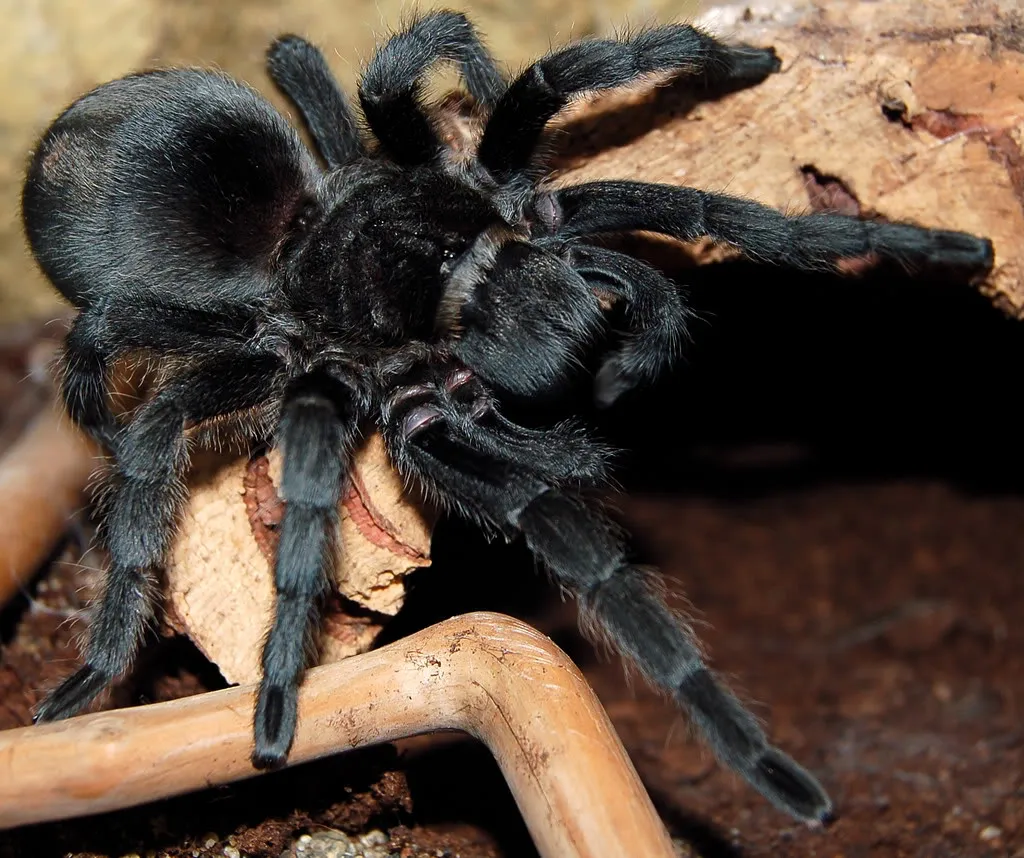
Top 5 Facts About Tarantulas in the Philippines
Tarantulas, with their eight legs and often intimidating size, can be fascinating pets, and in the Philippines, they are no exception. If you’re a beginner in the world of tarantula keeping, it’s crucial to start with the right information. This guide presents the top 5 facts about tarantulas in the Philippines, covering everything from their basic biology to how to care for them. Understanding these key facts will not only help you appreciate these creatures but also equip you with the knowledge to provide them with a safe and comfortable environment. Whether you are curious about owning one or just interested in learning more, this introduction will provide a solid foundation.
What is a Tarantula?
A tarantula is a large, hairy spider belonging to the Theraphosidae family. They are known for their size, with some species having a leg span of over 10 inches. Tarantulas are not insects, but arachnids, meaning they have eight legs and two main body parts: the cephalothorax (fused head and thorax) and the abdomen. They are primarily nocturnal hunters, feeding on insects, and occasionally small vertebrates. Tarantulas possess fangs used to inject venom, which they use to subdue their prey. Their lifespan can vary significantly depending on the species, with females often living much longer than males. In the Philippines, understanding these basic characteristics is important for responsible pet ownership.
Where Do Tarantulas Live?

In the wild, tarantulas inhabit a variety of environments. Some are terrestrial, living in burrows they dig in the ground or utilizing natural shelters like under rocks or fallen logs. Other tarantulas are arboreal, meaning they live in trees, constructing their homes within the bark or amongst the leaves. In the Philippines, tarantulas can be found in diverse habitats, from rainforests to grasslands. Their distribution often depends on the species, with some preferring specific humidity and temperature conditions. If you are interested in where they are found, you will need to familiarize yourself with the specific requirements of the species you are interested in. This will enable you to recreate a suitable environment if you intend to keep it as a pet.
Types of Tarantulas in the Philippines
The Philippines is home to several species of tarantulas, each with its unique characteristics and care requirements. These tarantulas contribute to the country’s rich biodiversity. These spiders exhibit variations in size, color, and temperament, making them intriguing subjects for both observation and, for some, pet ownership. Learning about the different types will enable you to determine if you want to own a specific species. It is also necessary to learn about how to care for them. Some species are more docile and better suited for beginners, while others may be more challenging to manage. Research is the first step of your journey.
Popular Philippine Tarantula Species
Several tarantula species are particularly popular among hobbyists in the Philippines. These species are often chosen for their striking appearance, relatively docile nature, and ease of care. When considering one as a pet, always check the species’ specific requirements to provide the best possible care. Furthermore, be sure to source your tarantula from a reputable breeder to ensure you acquire a healthy specimen. Understanding these popular choices will give you a good starting point when it comes to research, and possibly, ownership.
Philippine Tangerine

The Philippine Tangerine (Psalmopoeus irminia) is known for its vibrant orange and black coloration. It is a beautiful species that is often sought after by hobbyists. They are relatively fast-growing and can be moderately docile, making them a rewarding choice for experienced keepers. Their care requirements typically include a humid environment and a suitable substrate for burrowing. This tarantula can be a fantastic choice if you are familiar with the needs of a fast-moving species.
The Mindanao Tarantula
The Mindanao Tarantula (possibly belonging to the genus Chilobrachys) is a terrestrial species found in the Mindanao region. These spiders can be quite striking in appearance, often displaying various shades of brown and grey. They require a terrestrial setup with a substrate for burrowing and prefer a slightly drier environment compared to some other species. While the Mindanao tarantula can be a fascinating addition to a collection, beginners should research this species thoroughly before considering its care.
Caring for a Tarantula
Caring for a tarantula involves several key aspects, including choosing the right species, creating a suitable habitat, providing appropriate food, and handling the spider safely. Correct care is crucial for the tarantula’s health and well-being. Researching the specific needs of the species you choose will enable you to provide the best possible environment, leading to a rewarding experience. This means you should always do extensive research. It also means you should acquire the right equipment. Following the correct practices from the start will greatly increase the chances of success. This approach will enable you to avoid many common problems.
Choosing the Right Tarantula

For beginners in the Philippines, it’s essential to choose a tarantula species that is relatively docile and easy to care for. Consider the size and temperament of the species. Some recommended species for beginners include the Pinktoe tarantula or the Chilean Rose hair. These species are known for their docile nature, slower movements, and tolerance of minor care errors. Thoroughly research the species before acquisition and consider how much time you have to dedicate to your new pet. Starting with a more manageable species allows you to learn the basics of tarantula care without the added challenge of a more difficult species.
Setting Up a Tarantula Habitat
The habitat, often called an enclosure, should be appropriately sized for the tarantula. A good rule of thumb is to provide a space that is about three times the tarantula’s leg span in length and width. The enclosure should have a secure lid to prevent escape. A substrate, such as coconut fiber or peat moss, should be used to provide a burrowing environment and maintain humidity. Provide a water dish, and consider adding a hide, such as a piece of cork bark, to provide a secure place for the tarantula to retreat. Ventilation is essential. This combination of elements will make the habitat a comfortable and safe place for your tarantula.
Feeding Your Tarantula
Tarantulas are carnivores, so they primarily eat insects. Common food sources include crickets, mealworms, and roaches. The size of the prey should be appropriate for the tarantula’s size – it is best for the prey to be no larger than the tarantula’s abdomen. Feed juveniles more frequently, perhaps twice a week, while adults can be fed every week or two. Remove uneaten food within 24 hours to prevent mold and mite growth. Always make sure the tarantula has access to clean water. This will improve their health and well-being. Do not overfeed your tarantula because it could have severe health consequences.
Handling a Tarantula Safely

Tarantulas are not typically aggressive, but they can bite if they feel threatened. Therefore, handling should be kept to a minimum. If you must handle your tarantula, do so carefully and slowly, never from above. Try to coax the tarantula onto your hand instead of grabbing it. Always wash your hands before and after handling. Be aware of the tarantula’s defensive behaviors, such as flicking urticating hairs (in some species) or raising its front legs in a threat display. Handle them with respect, and you are less likely to experience a bite. In the Philippines, many species are relatively docile, but caution is always essential.
Common Mistakes to Avoid
New tarantula keepers often make mistakes that can harm their pets. Avoiding these common pitfalls will greatly increase your success and ensure the well-being of your tarantula. A careful approach will prevent common problems from happening. These errors often stem from lack of information or improper research. By understanding what to avoid, you can provide a safe and healthy environment for your tarantula.
Incorrect Humidity
Maintaining the correct humidity level is critical for the health of your tarantula. Too little humidity can lead to molting problems, while too much can promote mold and bacterial growth. Research the specific humidity requirements for your tarantula species. Use a hygrometer to monitor humidity levels. Mist the enclosure with water as needed, but avoid over-saturating the substrate. If you don’t have a humidity gauge, it can be very difficult to tell if your tarantula is getting the right level of humidity. Always err on the side of caution when you are unsure.
Improper Temperature Control

Tarantulas are ectothermic, meaning their body temperature depends on the environment. Maintaining the correct temperature range is crucial for their metabolism and overall health. Research the ideal temperature for your species. Most tarantulas thrive in temperatures between 75-85°F (24-29°C). Avoid placing the enclosure in direct sunlight or near a heat source that could cause overheating. Provide a consistent temperature by using a thermometer and adjusting the enclosure’s location if needed. In the Philippines, where temperatures can vary, monitoring is essential. Too much or too little heat can be very harmful to your tarantula.
Overfeeding
Overfeeding is a common mistake that can lead to health issues. Overfed tarantulas may become obese, making it difficult for them to move and molt. Feed juveniles more frequently, but avoid overdoing it. Overfeeding a tarantula will shorten its life. Observe the tarantula’s abdomen; it should be slightly rounded after feeding. If the abdomen appears excessively large, reduce the frequency of feeding. Always remove uneaten prey to prevent them from stressing the tarantula or causing injury. By following these feeding guidelines, you can maintain a healthy tarantula.
Why Philippine Tarantulas?
Owning a tarantula in the Philippines can be a rewarding experience, and it offers several benefits. From educational opportunities to unique aesthetic appeal, tarantulas can become a fascinating addition to any home. They are low-maintenance compared to many other pets. By taking the time to learn about these creatures, you will have a deeper appreciation for their unique qualities and the role they play in the ecosystem.
Benefits of Owning a Tarantula

Tarantulas can be a great pet for individuals of all ages. They are relatively low-maintenance pets, requiring less daily attention than some other animals. They also provide a unique educational opportunity, allowing you to learn about arachnids, their behavior, and the ecosystems they inhabit. Their fascinating appearance and behaviors offer a captivating glimpse into the natural world. They are also an excellent conversation starter. These factors combine to make them a unique pet for the right individual.
Responsible Tarantula Ownership
Responsible tarantula ownership includes providing proper care, understanding the species’ needs, and respecting the animal’s welfare. It also means acquiring your tarantula from a reputable source, such as a breeder. By prioritizing the well-being of your pet, you contribute to the ethical treatment of tarantulas and promote responsible practices within the hobby. Never release a tarantula into the wild, as this can disrupt the local ecosystem. By choosing to be a responsible tarantula owner, you are helping to preserve the species.