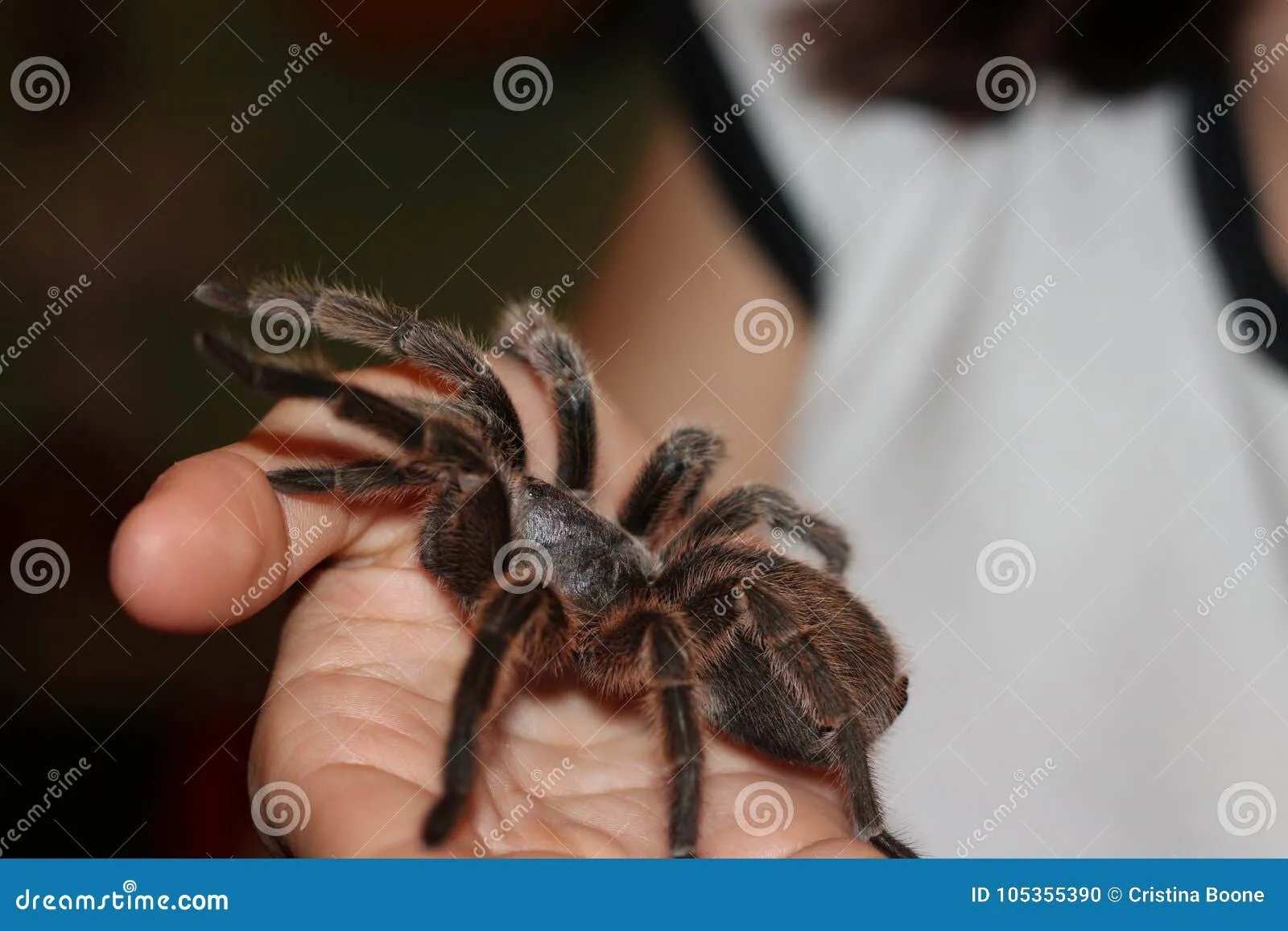
Owning a Chilean Rose Hair Tarantula can be a rewarding experience, but it’s essential to understand their needs. One of the most common concerns for tarantula keepers is when their pet refuses to eat. This behavior can be alarming, but in many cases, it’s a normal part of tarantula life or an easily fixable issue. This guide will explore the top five reasons why your Chilean Rose Hair Tarantula might not be eating and offer practical solutions to help you ensure your tarantula’s health and well-being. Understanding these factors will help you become a better tarantula owner, providing a comfortable and thriving environment for your fascinating pet.
Why is My Chilean Rose Tarantula Not Eating?
Several factors can contribute to a tarantula’s lack of appetite. It’s crucial to investigate each possibility systematically to identify the root cause. A comprehensive assessment involves evaluating the tarantula’s environment, molting cycle, prey, and overall health. Careful observation and understanding of these elements will help you address any underlying issues and ensure your tarantula resumes feeding. Often, the solution is simple, such as adjusting the temperature or providing fresh, healthy prey. However, in some cases, more intervention may be necessary, which is why a methodical approach is essential.
Environmental Factors
The environment in which your tarantula lives plays a critical role in its feeding behavior. Chilean Rose Hair Tarantulas are sensitive to changes in temperature, humidity, and enclosure conditions. An unsuitable environment can lead to stress, decreased appetite, and even health problems. Maintaining the correct environmental parameters is a fundamental aspect of tarantula care. Monitoring and adjusting these conditions are essential to replicate their natural habitat as closely as possible, promoting a healthy appetite and overall well-being. Consistent monitoring of these factors allows for early detection and resolution of potential issues.
Temperature Issues

Chilean Rose Hair Tarantulas thrive in temperatures between 70-85°F (21-29°C). If the temperature is too low, the tarantula’s metabolism slows down, reducing its need for food. Conversely, excessively high temperatures can stress the tarantula, leading to a refusal to eat. Regularly use a thermometer to monitor the enclosure’s temperature. Consider using a heat mat or a low-wattage heat lamp to maintain the ideal temperature range, but avoid placing the heat source directly under the enclosure. Proper temperature regulation is crucial for their feeding behavior and overall health.
Humidity Problems
Humidity is another critical factor. Chilean Rose Hair Tarantulas require a moderate humidity level, typically around 60-70%. Low humidity can cause dehydration and affect their molting process, leading to loss of appetite. High humidity can lead to mold growth and respiratory issues. Regularly mist the enclosure with dechlorinated water and provide a shallow water dish. Use a hygrometer to measure the humidity levels. Adjust ventilation as needed to maintain the appropriate humidity levels. Maintaining the correct humidity is essential for your tarantula’s health.
Enclosure Size and Setup
An enclosure that is either too small or too large can stress your tarantula. Ensure the enclosure is appropriately sized, allowing your tarantula to move comfortably but not feel exposed. A cluttered enclosure with plenty of hides, such as cork bark or artificial plants, can make the tarantula feel secure. The substrate should be appropriate, such as a mix of peat moss, coconut fiber, and vermiculite, which helps maintain humidity. The setup should also include a water dish. A well-designed enclosure creates a comfortable environment and helps your tarantula feel secure, which can positively influence their feeding habits.
The Molting Process

Molting is a natural process where tarantulas shed their exoskeleton to grow. During this time, they typically stop eating, as the process requires significant energy. Recognizing the signs of an upcoming molt can help you understand the behavior and avoid unnecessary worry. Providing a safe and undisturbed environment during molting is essential. Avoid handling or disturbing your tarantula while they are molting. Once they have molted, they will likely resume feeding after their new exoskeleton has hardened.
Signs of Molting
Several indicators can signal that your tarantula is preparing to molt. These include a loss of appetite, a change in the tarantula’s color (duller appearance), and lethargy. The tarantula may also start creating a ‘web mat’ or seal themselves in their hide. If you observe these signs, avoid feeding your tarantula. Provide a shallow water dish, and leave them undisturbed. Do not panic if your tarantula stops eating. It is a normal part of the molting process. Being able to recognize the pre-molt signs will help you give your tarantula the right care during this sensitive time.
What to Do During Molt
During the molting process, it’s critical to avoid disturbing your tarantula. Maintain the correct temperature and humidity levels and refrain from handling or rearranging the enclosure. Provide a shallow water dish to ensure the tarantula stays hydrated. If the tarantula flips onto its back, do not intervene unless it appears unable to complete the molt on its own, as this can cause more harm. Once the molt is complete, wait a few days for the exoskeleton to harden before offering food. The entire process, from pre-molt to post-molt, can take several weeks, so patience is key.
Prey Related Problems

The quality of the prey you offer your tarantula directly impacts its health and feeding habits. Providing appropriate prey is essential to ensure your tarantula gets the necessary nutrients. Understanding the different aspects of prey, such as size, type, and health, will help you provide the best possible care. Properly maintaining the prey, such as keeping crickets in a well-ventilated container and feeding them nutritious food, is just as important as the prey itself. Choosing the right prey is key for the tarantula’s health and well-being.
Prey Size and Type
The size and type of prey should be appropriate for your tarantula’s size. A good rule of thumb is to offer prey that is no larger than the tarantula’s abdomen. Crickets, mealworms, and roaches are commonly used prey. However, offering a variety of prey can provide a more balanced diet. Avoid feeding your tarantula prey that is too large, as it can cause stress or injury. Make sure the prey is alive and active when offered. Observe your tarantula’s feeding habits to determine the optimal prey size and type. Varying the diet can also make the tarantula more likely to eat.
Prey Health
The health of the prey is crucial. Ensure the prey is healthy, well-fed, and free from parasites or diseases. Feed the prey nutritious food before offering them to your tarantula to provide additional vitamins and minerals. Do not use wild-caught insects, as they may carry parasites or pesticides. If your tarantula refuses to eat a particular type of prey, try offering a different type. Monitor the prey for any signs of illness. Fresh, healthy prey will encourage your tarantula to eat and provide optimal nutrition, promoting its overall health and vitality. Regularly assess the prey’s condition to ensure your tarantula receives the best possible nutrition.
Health Problems

Various health issues can lead to a tarantula’s refusal to eat. Recognizing the symptoms of common diseases and parasites is essential for providing appropriate care. Early detection and treatment can improve the chances of a full recovery. If you suspect a health problem, it is best to consult a veterinarian specializing in exotic pets. Prompt action is crucial for your tarantula’s health and well-being. Any changes in your tarantula’s behavior should be noted and assessed. Proper care from the start will help in preventing most health issues.
Parasites and Diseases
Tarantulas can be susceptible to certain parasites and diseases. Some common issues include mites, fungal infections, and bacterial infections. Symptoms of illness include lethargy, loss of appetite, and unusual behavior. Inspect your tarantula regularly for any signs of parasites. If you suspect a health problem, isolate the tarantula and seek veterinary advice. The veterinarian can diagnose the issue and recommend appropriate treatment. Maintain a clean enclosure and provide fresh, healthy food and water to minimize the risk of infection. Prompt treatment is critical to ensure your tarantula’s health.
Dehydration
Dehydration can also cause a tarantula to stop eating. Signs of dehydration include a shriveled appearance, loss of turgor, and lethargy. Ensure your tarantula has access to fresh water at all times. A shallow water dish is essential. If you suspect dehydration, gently mist the enclosure with dechlorinated water. Soaking a cotton ball with water and placing it near the tarantula can also help. Keep the humidity levels within the proper range. Dehydration can be a serious issue, so it is important to address it quickly. Proper hydration is essential for the tarantula’s health and will also help it to feed.
Stress and Other Factors

Stress can significantly impact a tarantula’s appetite. Several factors can cause stress, including improper handling and frequent disturbances. Providing a stable, secure environment is essential for a tarantula’s well-being. Understanding the common causes of stress and how to avoid them can help you prevent feeding issues and ensure your tarantula thrives. Stress can also weaken the immune system, making it more susceptible to illness. Creating a calming and safe environment will keep your tarantula healthy and content.
Handling
While Chilean Rose Hair Tarantulas are relatively docile, excessive handling can still stress them. Avoid handling your tarantula unless absolutely necessary. Frequent handling can lead to stress, which may result in a loss of appetite. If you need to handle your tarantula, do so gently and for short periods. Always handle them over a soft surface to prevent injury if they fall. Observe your tarantula’s behavior after handling; if it appears stressed, minimize handling in the future. Handling should be done with caution, always prioritizing the safety and well-being of the tarantula.
Disturbances
Frequent disturbances to the enclosure can also stress a tarantula. This includes loud noises, bright lights, and excessive vibrations. Place the enclosure in a quiet location away from heavy foot traffic. Avoid sudden movements or loud sounds near the enclosure. Provide plenty of hiding places, such as cork bark or artificial plants, to give your tarantula a sense of security. A secure environment reduces stress and helps the tarantula feel safe, which encourages feeding. The less disturbances, the better it is for the tarantula’s health.
Conclusion
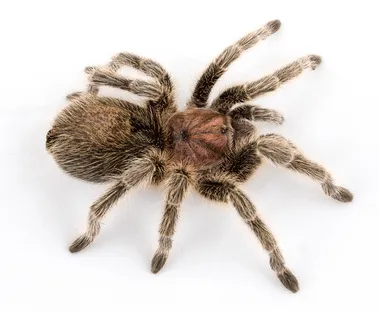
Understanding the reasons why your Chilean Rose Hair Tarantula might not be eating is crucial to ensure its health and well-being. By considering environmental factors, the molting process, prey-related problems, health concerns, and stress, you can identify the root cause and take appropriate action. Providing a suitable environment, offering healthy prey, and minimizing stress are essential for a healthy, happy tarantula. If the problem persists or you are unsure about the cause, consult a veterinarian specializing in exotic pets. By taking a proactive approach and addressing the underlying issues, you can ensure your tarantula thrives and enjoys a long, healthy life. With proper care, your Chilean Rose Hair Tarantula can become a rewarding pet for many years to come.