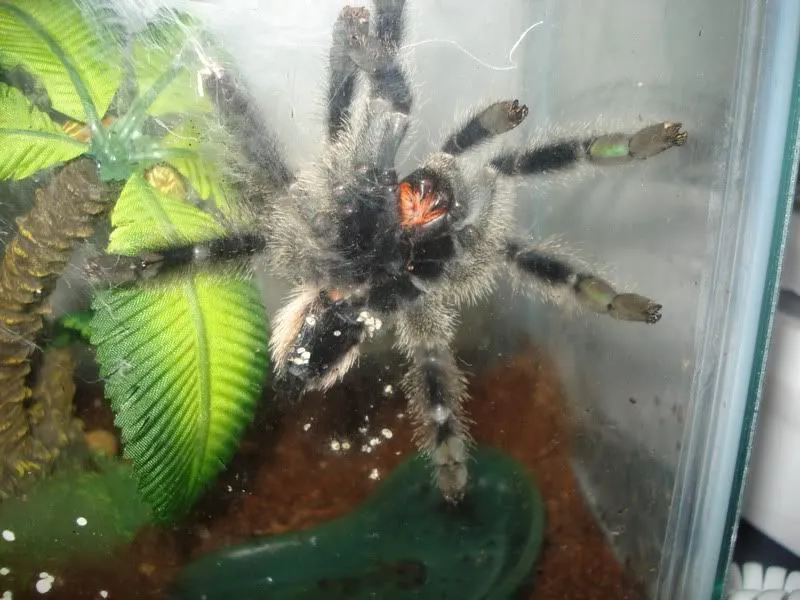
Why Tarantulas Stop Eating
Observing your tarantula refusing food can be a concerning experience for any pet owner. Understanding the potential reasons behind this behavior is crucial for ensuring your arachnid’s health and well-being. Tarantulas, like any living creature, have specific needs and requirements that must be met for them to thrive. Several factors can contribute to a tarantula’s loss of appetite, ranging from environmental conditions to underlying health issues. This guide will delve into the top five reasons why your tarantula might be refusing to eat, providing you with the knowledge to address these issues and support your pet’s health.
Temperature and Humidity Levels
One of the most critical aspects of tarantula care is maintaining the correct environmental conditions. Both temperature and humidity play pivotal roles in their appetite and overall health. Tarantulas are ectothermic creatures, meaning they rely on external sources to regulate their body temperature. If the enclosure is too cold, their metabolism slows down, leading to a decreased desire to eat. Similarly, if the humidity levels are not within the appropriate range, it can cause stress and dehydration, both of which can suppress appetite. Regularly monitoring and adjusting these environmental factors is key to ensuring your tarantula’s well-being and feeding response.
Ideal Temperature Range

Most tarantula species thrive within a specific temperature range, typically between 75°F to 85°F (24°C to 29°C). It’s essential to research the specific needs of your tarantula species, as some may prefer slightly different temperatures. Using a reliable thermometer to monitor the enclosure’s temperature is crucial. If the temperature falls below the ideal range, consider using a heat source, such as a heat mat or a ceramic heat emitter, to gently warm the enclosure. Avoid placing the heat source directly under the substrate, as this can overheat the tarantula and cause discomfort or burns. Consistent and stable temperatures are key to stimulating your tarantula’s appetite.
Humidity Requirements for Tarantulas
Humidity is another vital factor influencing your tarantula’s health. Proper humidity levels aid in molting, hydration, and overall comfort. The required humidity varies depending on the species; arid species need less humidity, while tropical species require more. Use a hygrometer to measure the humidity level in the enclosure. To increase humidity, mist the enclosure with dechlorinated water or provide a water dish. Ensure proper ventilation to prevent mold growth. Regularly monitoring and adjusting humidity, along with temperature, is crucial for creating a healthy environment that encourages your tarantula to eat.
Molting Process and Refusal of Food
Molting is a natural and essential process for tarantulas, where they shed their exoskeletons to grow. During this time, the tarantula’s appetite often decreases or ceases entirely. The molting process can be physically demanding, and the tarantula conserves energy by not eating. Recognizing the signs of an impending molt is essential for understanding why your tarantula might not be eating. It’s crucial not to disturb your tarantula during this vulnerable period. Provide a safe and stable environment, and avoid offering food until the molting process is complete and the new exoskeleton has hardened.
Signs Your Tarantula Is Molting

Several signs can indicate that your tarantula is preparing to molt. These include a darkening of the abdomen, a loss of appetite, lethargy, and the tarantula spending more time in its burrow. The tarantula may also create a web mat or a silk barrier in the enclosure. Some tarantulas will also flip onto their backs during the molting process. It’s vital to provide a safe and undisturbed environment during this time, and avoid handling your tarantula. Once the molt is complete, the tarantula’s appetite will usually return, although it may take a few days or weeks for them to fully recover and begin eating again.
Providing a Safe Molting Environment
To support your tarantula during the molting process, it’s essential to create a safe and stable environment. Ensure the enclosure is free from potential hazards, such as sharp objects or items that could injure the tarantula. Provide a shallow water dish for hydration. Avoid handling the tarantula or disturbing its enclosure during the molt, as this can be stressful and potentially interfere with the process. Maintain the correct temperature and humidity levels, as these factors play a crucial role in successful molting. After the molt, do not feed the tarantula for a week or two until the new exoskeleton has fully hardened.
Stress and Environmental Factors
Stress can significantly impact a tarantula’s appetite. Various factors can cause stress, including frequent handling, loud noises, vibrations, or a lack of suitable hiding places. Tarantulas are solitary creatures that prefer a calm and stable environment. Providing a secure enclosure and minimizing disturbances are essential for reducing stress and promoting healthy eating habits. Environmental factors, such as inadequate enclosure size or a lack of enrichment, can also contribute to stress and anorexia in tarantulas.
Handling and Disturbances

Tarantulas are not generally meant to be handled. Frequent handling can be stressful and may lead to a loss of appetite. Avoid handling your tarantula unless absolutely necessary, such as for health checks or enclosure maintenance. Loud noises, vibrations, and sudden movements can also stress tarantulas. Keep the enclosure in a quiet area, away from high-traffic zones or sources of disturbance. Provide a secure and stable environment to minimize stress, which can help maintain your tarantula’s appetite.
Enclosure Size and Enrichment
Providing an appropriately sized enclosure is crucial for your tarantula’s well-being. An enclosure that is too small can restrict movement and cause stress, potentially affecting appetite. The size of the enclosure should be appropriate for the species and the size of the tarantula. In addition to enclosure size, providing enrichment can help reduce stress. This includes adding hiding places, such as cork bark or artificial plants, and providing a substrate that allows the tarantula to burrow. A well-designed and enriching enclosure helps create a comfortable environment, which can encourage healthy eating habits.
Health Issues and Parasites
Underlying health issues or parasitic infections can also cause a tarantula to stop eating. If your tarantula refuses food for an extended period, even when environmental factors are optimal, it’s essential to consider the possibility of health problems. Recognizing the signs of illness and knowing when to consult a veterinarian is crucial. Early detection and treatment can often improve the prognosis and help your tarantula recover its appetite.
Recognizing Signs of Illness

Several signs might indicate that your tarantula is unwell. These include lethargy, lack of coordination, unusual posture, and discoloration of the abdomen. Other symptoms include fluid buildup, visible parasites, or difficulty molting. A tarantula that is consistently refusing food, even when the environment is suitable, should be examined for other possible health conditions. It’s essential to monitor your tarantula closely and be aware of any changes in its behavior or appearance.
When to Consult a Veterinarian
If you suspect your tarantula is ill, especially if the loss of appetite is accompanied by other symptoms, it’s crucial to seek professional veterinary advice. A veterinarian specializing in exotic animals can diagnose the underlying cause of the problem and recommend appropriate treatment. Do not attempt to self-treat your tarantula, as this can be dangerous. Early intervention can significantly improve your tarantula’s chances of recovery and help restore its appetite.
Prey Size and Feeding Frequency
The size and frequency of feeding play significant roles in a tarantula’s appetite. Providing prey that is too large or feeding too often can lead to stress and disinterest in food. Adjusting these factors can sometimes be all that’s needed to encourage your tarantula to eat. Always ensure that the prey is appropriate for the tarantula’s size and that the feeding schedule aligns with its age and species-specific needs. Overfeeding can also lead to obesity, which can impact your tarantula’s health.
Appropriate Prey Size

The size of the prey should be appropriate for your tarantula’s size and age. As a general guideline, the prey should be no larger than the tarantula’s body length. Offering prey that is too large can overwhelm the tarantula, causing it to reject the food. Crickets, mealworms, and roaches are commonly used as prey. Always remove any uneaten prey within 24 hours to prevent stressing your tarantula and to avoid the potential of the prey injuring the tarantula during a molt. Regularly assess your tarantula’s size and adjust the prey size accordingly.
Feeding Schedule for Tarantulas
The feeding frequency for tarantulas varies depending on their age and species. Spiderlings and juvenile tarantulas typically require more frequent feeding, usually every few days, while adults can be fed less often, perhaps once a week or even less frequently. It’s essential to research the specific feeding needs of your species. Overfeeding is generally not recommended. If your tarantula is not eating, try adjusting the feeding schedule and the size of the prey. Always monitor your tarantula’s condition and adjust the feeding accordingly to ensure its health.
In conclusion, if your tarantula isn’t eating, understanding the underlying causes is the first step toward finding a solution. By carefully managing the environmental conditions, recognizing signs of molting, minimizing stress, addressing potential health issues, and adjusting prey size and feeding frequency, you can significantly improve the likelihood of encouraging your tarantula to eat. Remember, patience and observation are essential. If you have any concerns about your tarantula’s health, consult with a veterinarian specializing in exotic animals for professional advice and care.