Tarantula Wasps: 7 Amazing Facts!
The tarantula wasp, a formidable predator of the insect world, is a fascinating creature that commands respect. Known for their impressive size, potent sting, and unique hunting behaviors, these wasps are a marvel of nature. This blog post will delve into seven amazing facts about these incredible insects, offering insights into their appearance, habitat, diet, hunting techniques, and life cycle. Prepare to be amazed by the world of the tarantula wasp!
Appearance of the Tarantula Wasp
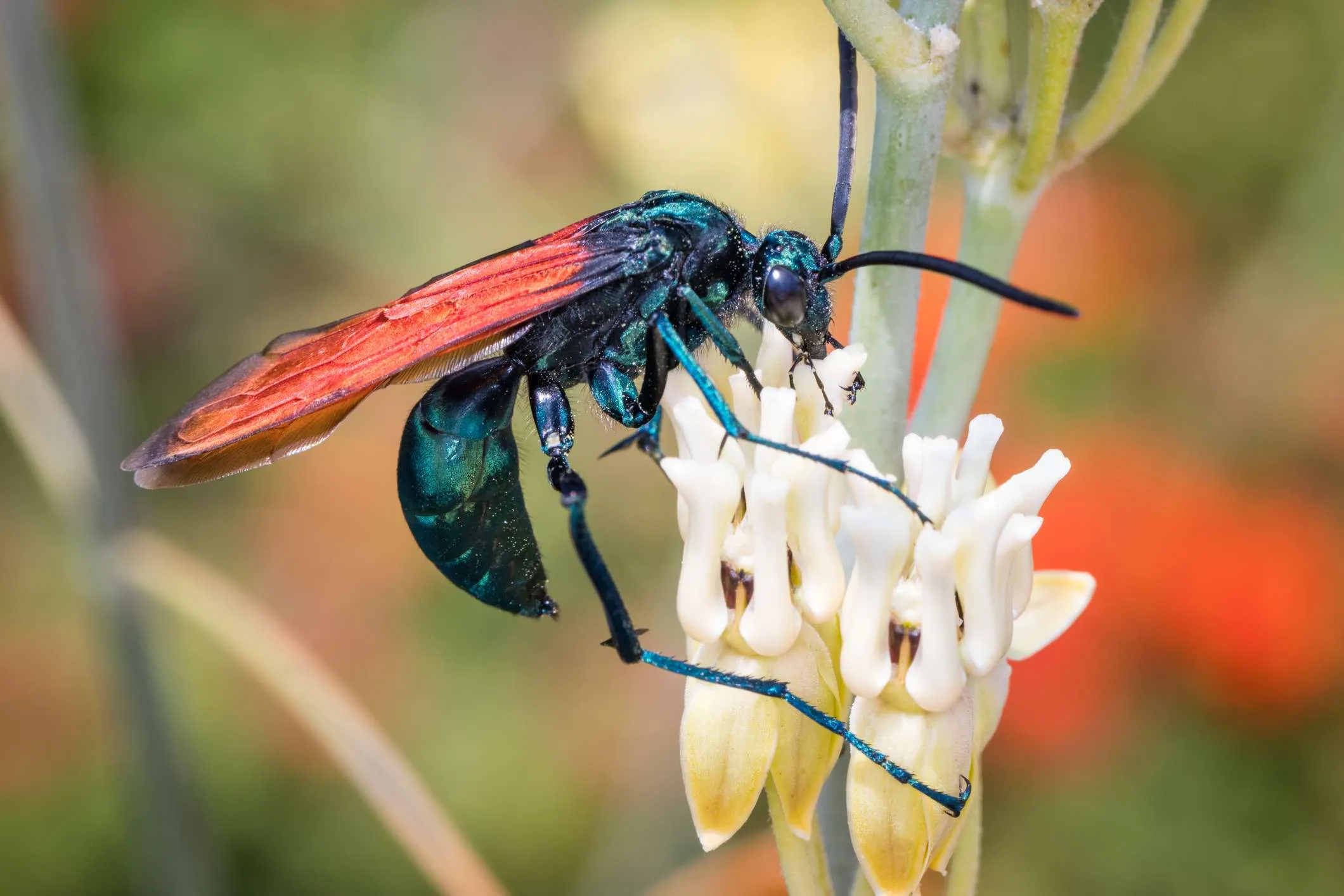
Tarantula wasps are among the largest wasps on Earth, immediately setting them apart. Their imposing size and striking appearance make them easily recognizable. They typically measure between 1 to 2 inches (2.5 to 5 cm) in length, with some species even exceeding this size. Their robust bodies and powerful legs are well-suited for their predatory lifestyle, allowing them to effectively subdue and carry their prey. The sheer size alone is enough to make anyone take notice.
Coloration and Size

Tarantula wasps often display a striking combination of colors, usually featuring a black or dark blue body contrasted with orange or reddish wings. This bold coloration serves as a warning signal to potential predators, indicating their ability to deliver a painful sting. The size also varies between different species, with the largest ones being capable of subduing even the biggest tarantulas. Their size is directly correlated to their hunting prowess, making them formidable predators in their environment. These wasps use their size as an advantage, aiding in their hunting strategies and overall survival.
Habitat and Distribution
Tarantula wasps are found in various regions around the world, primarily in warmer climates. They thrive in areas where their primary prey, tarantulas, are abundant. This often includes the southwestern United States, parts of South America, and Australia. Their habitat preferences vary slightly depending on the species, but they generally favor open areas with sandy or loamy soil, where they can easily dig nests. The presence of tarantulas, their primary food source, is a crucial factor in determining their distribution, making their habitat a direct reflection of the spiders’ range.
Where Do Tarantula Wasps Live?
These wasps construct nests in the ground, often in sandy or well-drained soil. These nests are solitary, meaning each female wasp builds and maintains her own nest. The nests typically consist of a single cell where a tarantula will be paralyzed and used as a host for the wasp’s eggs. They choose locations that offer protection from the elements and are close to tarantula habitats, ensuring a readily available food supply for their larvae. Their nesting habits showcase their independence and efficiency in providing for their offspring.
What Do Tarantula Wasps Eat?

Tarantula wasps are carnivores, and their primary food source is, as their name suggests, tarantulas. They paralyze these large spiders with a sting, drag them back to their nests, and lay an egg on the spider’s abdomen. When the egg hatches, the wasp larva feeds on the paralyzed spider, consuming it alive. This gruesome yet efficient process is a testament to their specialized hunting strategies and dietary needs. The entire lifecycle of the wasp is intrinsically linked to the presence of tarantulas, making them a critical component of their ecosystem.
The Diet of a Tarantula Wasp
The diet is almost exclusively tarantulas. The female wasp’s primary objective is to provide a living food source for her offspring. The wasp larvae consume the paralyzed tarantula, growing rapidly. Adult tarantula wasps, on the other hand, primarily feed on nectar from flowers, providing them with the energy needed for flight and other activities. This nectar-based diet allows them to conserve energy for the crucial task of hunting and reproduction. Their diet is a perfect example of predator-prey dynamics.
Tarantula Wasp Hunting Techniques
The hunting behavior is a remarkable display of strategy and precision. The female wasp locates a tarantula, often by scent, and carefully approaches it. She then engages in a series of actions to subdue the spider, which might include the wasp stinging the spider to immobilize it. The wasp then carefully drags the paralyzed tarantula, often many times her size, back to her nest. This impressive feat of strength and strategy is a true wonder of the natural world. Their ability to overcome such a formidable prey is a sign of their evolutionary adaptations.
How Does the Tarantula Wasp Hunt?

Hunting involves locating and approaching a tarantula. The wasp often uses its keen senses to find a tarantula in its burrow or lurking in the open. Once located, the wasp carefully maneuvers to avoid being attacked, then stings the spider in a precise location, usually a nerve center, to paralyze it. This process can take time, and the wasp must remain vigilant to avoid the spider’s fangs. After paralyzing the spider, the wasp drags it back to its nest, a remarkable display of strength and persistence.
The Stinger and Its Impact
The stinger is the wasp’s primary weapon, and its venom is known for its intense pain. The sting is not generally fatal to humans but causes excruciating agony that can last for several hours. While the pain is extreme, the venom serves a crucial purpose in the wasp’s lifecycle. It paralyzes the tarantula, allowing the wasp to transport it to the nest and provide a living host for its larva. The stinger is an integral part of the tarantula wasp’s survival strategy, playing a pivotal role in its ability to hunt and reproduce.
The Tarantula Wasp Life Cycle
The life cycle is a fascinating process of metamorphosis and predation. The female wasp first hunts a tarantula and paralyzes it. She then drags the spider back to her nest, lays a single egg on its abdomen, and seals the nest. The wasp larva hatches from the egg and feeds on the paralyzed tarantula, growing rapidly. Once the larva has consumed the spider, it pupates inside the nest. The adult wasp emerges from the pupa, ready to mate and repeat the cycle. This complex, cyclical process showcases the intricate relationship between predator and prey.
Mating and Reproduction of Tarantula Wasps

Reproduction begins with mating, where the female wasp attracts a male. After mating, the female wasp focuses on hunting tarantulas to provide for her offspring. She digs a nest, paralyzes a tarantula, and drags it back to the nest. She then lays her eggs on the paralyzed spider, and the cycle continues. The female wasp is responsible for all aspects of the process, from hunting to nest-building and providing for her young. This behavior is essential for the survival of the species, ensuring the continuation of their lineage.
Predators and Threats to Tarantula Wasps
Tarantula wasps, despite their formidable defenses, face certain predators and threats in their environment. Birds, lizards, and other insectivores may prey on adult wasps, especially during flight. Other threats include parasites and habitat destruction. While the wasps’ sting provides a significant deterrent, it does not guarantee immunity from all predators. Conservation efforts are important to protect their habitat and ensure their survival.
Survival Strategies of Tarantula Wasps
Their survival hinges on several key strategies. Their potent sting, combined with their hunting skills, effectively protects them from predators. Their solitary nesting behavior also reduces the risk of predation on their offspring. Furthermore, they utilize camouflage and stealth during hunting to avoid drawing attention. Their ability to adapt to different environments is crucial, allowing them to thrive in various climates. These strategies have made them successful predators, allowing them to persist in their environment.
In conclusion, tarantula wasps are a remarkable species, showcasing the diversity and complexity of the insect world. From their impressive size and striking appearance to their unique hunting techniques and lifecycle, they are truly fascinating creatures. Learning about these insects reminds us of the incredible adaptations that allow life to thrive in diverse environments. The tarantula wasp’s story highlights the importance of understanding and appreciating the natural world, even its more intimidating inhabitants.