Tarantula vs Scorpion: 5 Key Differences
The animal kingdom is full of fascinating creatures, and two that often spark curiosity and, sometimes, fear are the tarantula and the scorpion. Both are arachnids, sharing a common ancestor and belonging to the arthropod family. However, despite their shared lineage, they possess distinct characteristics that set them apart. From their physical appearances to their behaviors, these differences make them unique. This article delves into five key differences between tarantulas and scorpions, helping you understand these intriguing creatures better and appreciate their place in the ecosystem. We will cover everything from their size and venom to their preferred habitats, providing a comprehensive comparison to enlighten any enthusiast or those simply curious about the natural world.
Appearance Differences
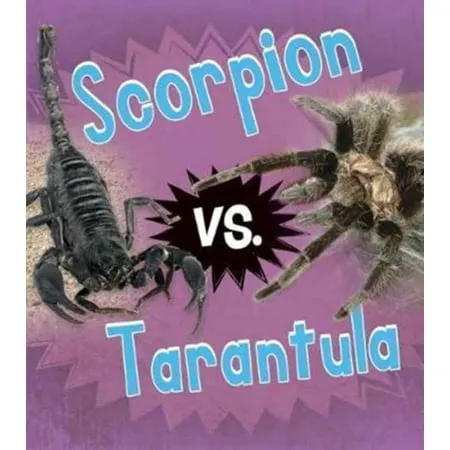
One of the most immediate ways to distinguish a tarantula from a scorpion is by their physical appearance. Tarantulas, with their hairy bodies and eight long legs, often evoke a sense of the familiar, resembling larger versions of common spiders. Their bodies are typically divided into two main parts cephalothorax (fused head and chest) and abdomen. The cephalothorax houses their eyes, mouthparts, and legs, while the abdomen contains their internal organs. The tarantula’s legs are covered in hairs, which aid in sensory perception and movement, and some species have urticating hairs, which they can flick off as a defense mechanism. These hairs cause irritation to predators. The colors of tarantulas vary greatly depending on the species, ranging from black and brown to vibrant blues and oranges.
Scorpions, in contrast, present a more distinct appearance. Their bodies are segmented into two main parts cephalothorax (like tarantulas) and a long, segmented abdomen or metasoma, which ends in a stinger. The most recognizable feature of a scorpion is the curved tail, which it uses to deliver venom through its stinger. Unlike tarantulas, scorpions have a pair of large, prominent pedipalps (or claws) that they use for grasping and defense. Their exoskeleton is generally smoother than a tarantula’s hairy body. Scorpions typically have a flatter body shape than tarantulas, allowing them to squeeze into tight spaces, and their coloration tends to be more muted, with shades of brown, black, and yellow being common.
Size and Body Structure

While both tarantulas and scorpions vary in size depending on the species, their body structures and overall sizes differ. Tarantulas are generally larger, with some species boasting leg spans of over 10 inches. Their bodies are bulky and covered in hair, contributing to their imposing appearance. The size of a tarantula is primarily determined by its leg span. The overall body structure of tarantulas is designed for climbing and ambushing prey, with strong legs and specialized claws at the ends of their feet to grip surfaces. Some tarantulas can also dig burrows, using their fangs and legs to create a safe haven from predators and the elements.
Scorpions, while varying in size, tend to be smaller than tarantulas overall. The size of a scorpion is influenced by its body length, which is usually a few inches long, though some larger species can reach up to eight inches. The body structure of a scorpion is characterized by its segmented abdomen, which it can curl over its body, and its large pedipalps, which act as powerful pincers. The scorpion’s exoskeleton is hard and rigid, providing protection from predators and environmental hazards. They have a more flattened body structure, enabling them to hide in crevices and under rocks.
Venom and Sting
Both tarantulas and scorpions use venom, but they deliver it in different ways, and the potency of their venom varies. Tarantulas, though often feared, are not generally considered highly venomous to humans. Their venom is delivered through their fangs, which they use to subdue prey. The effects of a tarantula bite are typically similar to a bee sting, causing local pain, redness, and swelling. However, some people may experience allergic reactions. The primary use of tarantula venom is to paralyze and digest insects, as they are primarily insectivores.
Scorpions, on the other hand, are equipped with a stinger located at the end of their tail, through which they inject venom. The potency of scorpion venom varies greatly depending on the species. Some scorpions have relatively mild venom, causing localized pain and discomfort similar to a tarantula bite, while others, particularly those in the Buthidae family, possess potent venom that can be life-threatening to humans, especially children and the elderly. Scorpion venom is designed to incapacitate prey and defend against predators, causing a range of effects, from mild to severe, depending on the scorpion’s species and the amount of venom injected.
Hunting and Feeding Habits
The hunting and feeding habits of tarantulas and scorpions differ significantly due to their physical characteristics and preferred habitats. Tarantulas are typically ambush predators. They often wait patiently in their burrows or under cover, waiting for prey to wander close. When an opportunity arises, they ambush their prey with a swift attack, injecting venom to paralyze it. Tarantulas primarily feed on insects, but larger species can also consume small lizards, rodents, and birds. They crush their prey using their chelicerae (mouthparts), then inject digestive enzymes, allowing them to suck out the liquefied nutrients.
Scorpions are also predators, but they employ different hunting strategies. They are often nocturnal hunters, actively searching for prey during the night. They use their pedipalps (claws) to grasp and hold their prey while stinging it with their venomous tail. Scorpions feed on a variety of insects, spiders, and sometimes even small vertebrates. They are known for their opportunistic feeding habits, consuming whatever they can capture. The hunting strategy of scorpions is dictated by their ability to detect vibrations and chemical signals in their environment, helping them locate potential prey even in the dark.
Habitat and Environment

Tarantulas and scorpions can be found in various habitats, reflecting their adaptability to different environmental conditions. Tarantulas thrive in warm, tropical, and temperate regions worldwide. They are commonly found in deserts, grasslands, and forests, often living in burrows, under rocks, or in trees. Their habitat preferences vary depending on the species, with some tarantulas preferring humid environments, while others are adapted to arid conditions. Tarantulas are generally solitary creatures, and their distribution is influenced by factors such as prey availability, temperature, and the presence of suitable shelter.
Scorpions are also widespread, inhabiting diverse environments worldwide. They are particularly well-adapted to arid and semi-arid regions, such as deserts and dry grasslands, where they can find shelter under rocks, in burrows, or beneath the bark of trees. Scorpions have a remarkable ability to survive in harsh conditions, tolerating extreme temperatures and limited water resources. They are also found in tropical and subtropical regions, where they tend to prefer moist environments. Their habitat distribution is determined by the availability of prey, suitable shelter, and environmental conditions that meet their physiological requirements.
Behavioral Traits
The behavioral traits of tarantulas and scorpions provide insight into their survival strategies and social interactions. Tarantulas are typically solitary creatures, except during mating season. They exhibit defensive behaviors, such as raising their front legs, exposing their fangs, and flicking urticating hairs when threatened. Some species are more docile than others, and their temperament can vary. Tarantulas are generally active during the night and early morning hours, hunting and exploring their surroundings. They are relatively low-maintenance pets, which makes them popular among arachnid enthusiasts.
Scorpions also have distinct behavioral traits. They are primarily nocturnal hunters, using the cover of darkness to ambush prey and avoid predators. Some scorpions exhibit communal behavior, living in groups, while others are solitary. Scorpions use their pedipalps to grasp and hold prey, and they can deliver a painful sting to defend themselves. Their defensive behaviors include raising their tail, displaying their stinger, and retreating into crevices. Scorpions have a unique sensory system, allowing them to detect vibrations and chemical signals to identify threats and locate food.
Tarantula vs Scorpion: Survival Strategies
Both tarantulas and scorpions have developed sophisticated survival strategies that allow them to thrive in their respective environments. Tarantulas rely on their size, speed, and venom to subdue prey. They also use camouflage and the ability to burrow or hide to evade predators. Their urticating hairs, which cause irritation, are another line of defense. Furthermore, tarantulas exhibit a slow metabolism and can survive for extended periods without food, which helps them endure periods of scarcity. Their ability to regenerate lost limbs is also a significant survival advantage.
Scorpions utilize their venom, pedipalps, and defensive postures to survive. Their hard exoskeletons provide protection against predators, and their ability to hide in crevices allows them to escape harm. Scorpions have a remarkable ability to conserve water and withstand extreme temperatures, enabling them to survive in arid environments. They also have a long lifespan, allowing them to reproduce and pass on their genes. The survival strategies of both tarantulas and scorpions are finely tuned to their environments, showcasing their adaptability and resilience in the face of various challenges.
Tarantula vs Scorpion: Which is More Dangerous?

Determining whether a tarantula or a scorpion is “more dangerous” depends on the context and perspective. In general, tarantulas pose less of a direct threat to humans. Their venom is typically not highly potent, and bites are usually only painful and cause local reactions. However, their size and intimidating appearance can cause fear, and their urticating hairs can cause skin irritation. Some tarantulas also have powerful fangs that can inflict a deep bite.
Scorpions, on the other hand, have the potential to be more dangerous due to the varying potency of their venom. While most scorpion stings are not life-threatening, some species have venom that can be extremely dangerous, particularly to children, the elderly, or people with allergies. The severity of a scorpion sting depends on the species, the amount of venom injected, and the individual’s reaction. Therefore, while tarantulas might be more visually frightening, scorpions, particularly certain species, can pose a greater health risk.
Tarantula vs Scorpion: Quick Comparison
Tarantulas and scorpions, despite their similarities as arachnids, present significant differences in appearance, behavior, and potential danger. Tarantulas are generally larger, with hairy bodies, and deliver venom through their fangs. Scorpions have segmented bodies, a curved tail with a stinger, and deliver venom via a sting. Both are predators with their specific hunting styles. Their habitats and survival strategies are finely tuned to their respective environments. Understanding these differences allows a deeper appreciation of these fascinating creatures and their crucial role in the ecosystem.