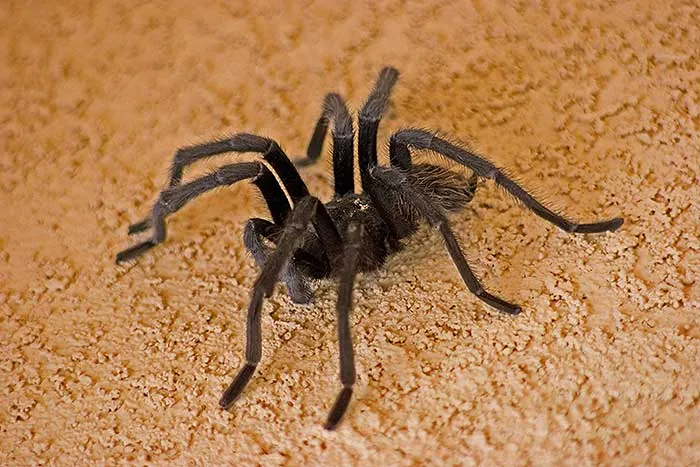
Top 5 Facts About Tarantula Venom
Tarantulas, despite their intimidating size and appearance, are not generally considered deadly to humans. However, understanding their venom and how it affects us is essential for safety and responsible interaction. This article explores the top 5 facts about tarantula venom, debunking myths and providing critical information. We’ll delve into the toxicity spectrum, symptoms, factors influencing severity, dangerous species, and essential first aid and treatment. Whether you’re a pet owner, an enthusiast, or simply curious, this guide equips you with valuable insights into the world of tarantula venom.
Fact 1 The Toxicity Spectrum
The toxicity of tarantula venom varies significantly across different species. While most tarantula bites are comparable to a bee sting, causing localized pain, swelling, and redness, the intensity can range dramatically. Several factors influence this spectrum, including the specific species of tarantula, the amount of venom injected, and the individual’s sensitivity. Some species possess venom that is more potent than others, and even within the same species, venom composition can vary based on factors like diet and age of the tarantula. It is crucial to understand that while rarely life-threatening, tarantula venom can cause considerable discomfort and require medical attention in certain cases. The study of tarantula venom is complex, and research continues to refine our understanding of its effects.
Variations in Venom Potency

Venom potency is not uniform across all tarantula species. For instance, some New World tarantulas, such as those from the Brachypelma genus, are known for having relatively mild venom. Their bites typically cause localized symptoms. In contrast, certain Old World tarantulas, such as those from Asia and Africa, are sometimes reported to have more potent venom. While still not usually life-threatening, their bites might cause more intense pain, muscle cramps, and systemic effects. Scientists are still actively studying the differences in venom composition and how these differences affect the severity of symptoms. This research helps in understanding the evolutionary adaptations of different tarantula species.
Geographical Influences on Toxicity
Geographic location can indirectly influence the potential toxicity of tarantula venom. Environmental factors such as diet and climate can affect the venom composition. Tarantulas that live in diverse environments might have varying diets, which could alter the proteins and enzymes found in their venom. Moreover, some geographical regions may host tarantula species with naturally more potent venom. Research into these environmental influences is ongoing, aiming to understand the specific factors that contribute to venom variation. This information is vital for risk assessment and developing appropriate medical responses in different areas.
Fact 2 Common Symptoms of a Tarantula Bite
The symptoms of a tarantula bite can vary from mild to moderate, but serious reactions are rare. The majority of bites result in localized symptoms at the bite site. However, understanding the range of potential symptoms is important for prompt and effective care. The typical symptoms range from immediate pain and redness to more prolonged discomfort, highlighting the importance of knowing what to expect and when to seek medical attention. The symptoms can also be affected by how much venom is injected and the species of tarantula involved. It is essential to be aware of both local and systemic symptoms to ensure you can react appropriately.
Local Reactions at the Bite Site

Local reactions at the bite site are the most common symptoms of a tarantula bite. These reactions typically involve immediate pain, which can vary in intensity. The area around the bite may become red, swollen, and itchy. In some cases, there might be a slight burning sensation. These local symptoms often subside within a few hours or days. Applying a cold compress and over-the-counter pain relievers can help manage the discomfort. Monitor the bite site for any signs of infection, such as increased redness, warmth, or pus, and seek medical advice if such signs develop. The inflammation is your body’s immune response to the venom, and it typically resolves on its own.
Systemic Symptoms
In rare instances, a tarantula bite can cause systemic symptoms, which affect the body as a whole. These symptoms may include muscle cramps, nausea, vomiting, and sweating. Some individuals might experience dizziness or a rapid heartbeat. In extremely rare cases, a severe allergic reaction (anaphylaxis) can occur, which requires immediate medical attention. If you experience systemic symptoms after a tarantula bite, it’s crucial to seek medical attention as soon as possible. Keep an eye on your condition, and monitor for signs of difficulty breathing or swelling of the face, lips, or throat. Early intervention can prevent the development of serious complications.
Fact 3 Factors Influencing Venom Severity
The severity of a tarantula bite depends on several factors, including the species of the tarantula, the amount of venom injected, and the individual’s sensitivity. Understanding these factors can help assess the potential risks and determine the appropriate course of action after a bite. Other health conditions also can influence the reaction to a bite, emphasizing the importance of considering all relevant factors. Identifying these various influences can help you determine how to respond to a bite correctly.
Species of Tarantula

The species of tarantula significantly influences the severity of a bite. Certain species are known to have more potent venom than others. As mentioned earlier, some Old World tarantulas are reported to have a more significant effect than those from the New World. The venom’s chemical composition differs across various species, which determines the type and intensity of symptoms. Research into the specific venoms of different tarantula species continues to refine our understanding of their effects. Knowing the species of the tarantula that bit you is essential for proper medical assessment and treatment.
Amount of Venom Injected
The amount of venom injected during a bite also affects the severity of the reaction. A bite with a large venom dose is more likely to cause intense symptoms than a bite with a smaller dose. The amount of venom injected can depend on several factors, including the tarantula’s mood, the size of its fangs, and the physical response of the bite. Sometimes, a tarantula bite might be a “dry bite,” meaning no venom is injected. However, it is important to treat every bite as if venom has been injected until proven otherwise. The amount of venom isn’t always controllable, but understanding its role can help assess the potential impact of a bite.
Fact 4 Identifying Dangerous Tarantula Species
While most tarantula bites are not life-threatening, recognizing species with medically significant venom is crucial. This identification involves studying the physical characteristics of the tarantula and researching their behavior. Knowing which species to be more cautious around can help with injury prevention and also ensures you can get the right care. Researching a tarantula’s classification and behavior, along with recognizing the visual markers, can help determine the venom’s potential danger. This knowledge is especially important for pet owners and enthusiasts. Additionally, if you are bitten and do not know the species, taking a picture is helpful to doctors.
Species with Medically Significant Venom

Several tarantula species are known to have venom that can cause more severe reactions. These species are often found in certain regions of the world, particularly in Asia and Africa. The venom in these tarantulas might lead to more intense pain, muscle cramps, and other systemic symptoms. If you live in or plan to travel to areas where these tarantulas are found, familiarizing yourself with their appearance and behavior is essential. Researching local tarantula species and their reported effects can prepare you to handle potential bites appropriately. Consulting with local experts or entomologists in these areas can also provide helpful insights.
Identifying Characteristics
Identifying potentially dangerous tarantula species involves paying attention to physical characteristics, behavior, and geographic location. Physical characteristics such as size, color patterns, and the presence or absence of urticating hairs can provide clues. Consulting field guides or online resources specific to your region can help differentiate between various tarantula species. Be aware that tarantulas can also exhibit distinct defensive behaviors. Avoid handling tarantulas unless you are an experienced handler familiar with the specific species. When encountering a tarantula, observe it from a safe distance and learn about the local species to ensure your safety.
Fact 5 Treatment and First Aid for Tarantula Bites
Knowing the correct first aid and medical treatment for tarantula bites is essential. Prompt action can minimize discomfort and prevent complications. First aid steps can alleviate immediate symptoms and promote healing, while professional medical care is sometimes necessary for more severe reactions. Being prepared for the unlikely event of a bite means knowing what to do, ensuring a quick and effective response, and reducing risks. Following these steps increases your chances of a positive outcome.
Immediate First Aid Steps

Immediate first aid for a tarantula bite focuses on cleaning the wound, relieving pain, and preventing infection. First, gently wash the bite site with mild soap and water. Apply a cold compress to reduce pain and swelling. Elevate the affected limb if possible. Avoid scratching the bite, as this can increase the risk of infection. If you experience severe pain or systemic symptoms, seek immediate medical attention. Keeping the wound clean and applying a cold compress can help in most cases. If symptoms worsen, do not delay in getting medical care.
Medical Treatment and When to Seek Help
Medical treatment for a tarantula bite may involve pain relief, antihistamines, and, in rare cases, antivenom. Your doctor will determine the appropriate course of treatment based on the severity of your symptoms and the species of tarantula, if known. Seek medical attention immediately if you develop any systemic symptoms, such as difficulty breathing, muscle cramps, or a rapid heartbeat. Provide as much information as possible to the medical professionals, including the species of the tarantula if you know it. Early intervention can prevent complications and ensure a full recovery. Follow all medical advice and take any prescribed medications as directed.
Conclusion
In conclusion, understanding the facts about tarantula venom is crucial for safety and responsible interaction with these fascinating creatures. While most tarantula bites are not life-threatening, knowing the potential risks, recognizing symptoms, and taking appropriate action is essential. By understanding the toxicity spectrum, identifying potentially dangerous species, and knowing the proper first aid and medical treatment, you can minimize the risks associated with tarantula venom. Whether you are a pet owner, an enthusiast, or simply curious about these arachnids, this knowledge will help you to stay safe and be well-informed.