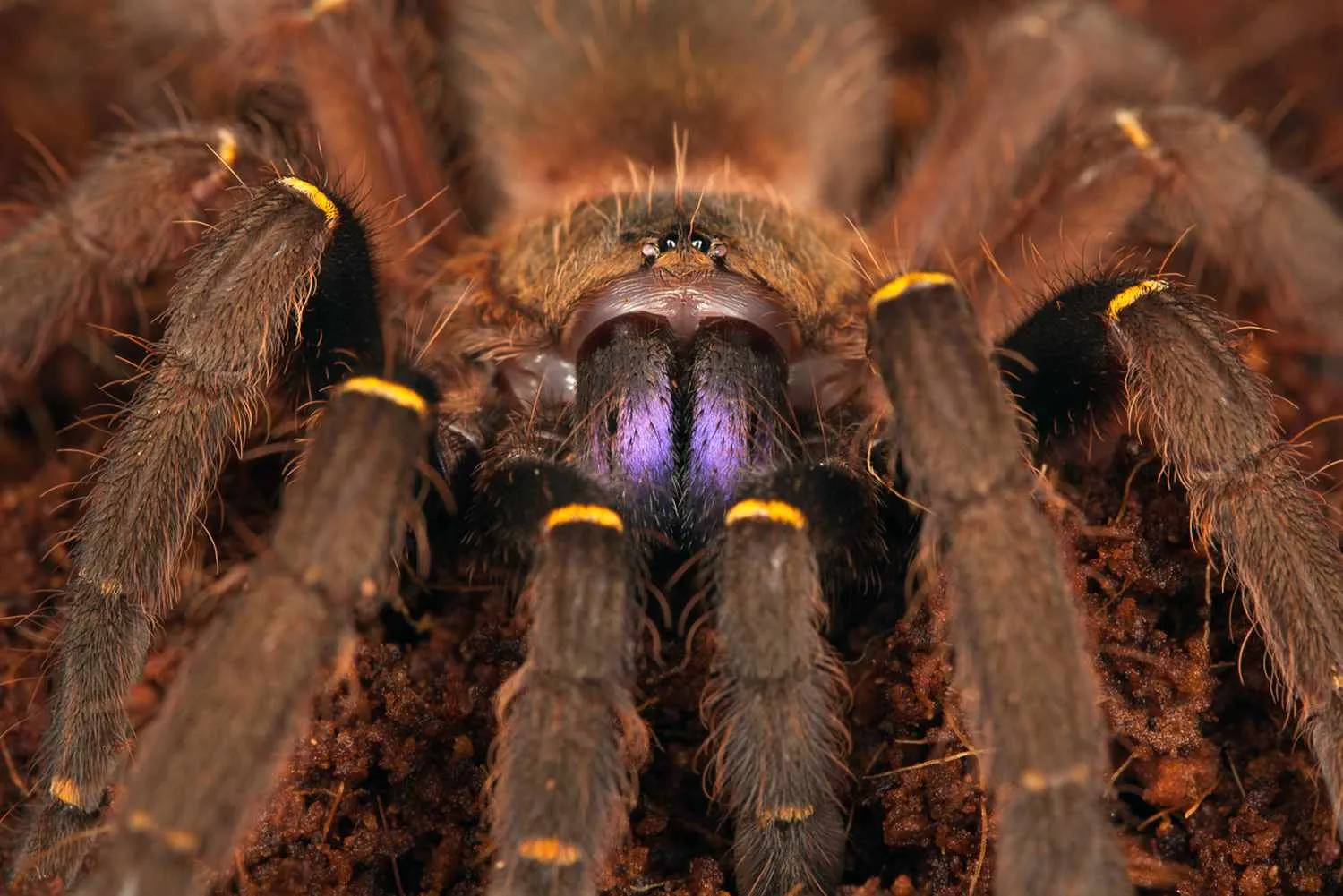
What Are Tarantulas?
Tarantulas are large, hairy spiders belonging to the Theraphosidae family. These impressive arachnids are known for their size, often boasting leg spans that can exceed 10 inches. They are found in a variety of habitats across the globe, including the Americas, Africa, Asia, and Australia. Tarantulas are generally nocturnal creatures, spending the day in burrows, under rocks, or in other concealed locations. They are primarily predators, feeding on insects, other invertebrates, and sometimes even small vertebrates. Despite their intimidating appearance, tarantulas are not typically aggressive towards humans and their venom is generally not considered to be highly dangerous, although bites can be painful.
Tarantulas: A Brief Overview
Tarantulas are ancient creatures, with fossil records indicating their presence for millions of years. They have evolved to occupy a diverse range of ecological niches, exhibiting a remarkable adaptability. The life cycle of a tarantula involves several molting stages, where they shed their exoskeleton to grow. The molting process is a vulnerable time for tarantulas, as they are soft-bodied and defenseless. Tarantulas can live for many years, with females often living much longer than males. Their lifespan depends on various factors such as species, habitat, and care.
Tarantula Habitats

Tarantulas are incredibly adaptable and can be found in a variety of habitats. Some species thrive in tropical rainforests, while others prefer arid deserts or grasslands. Their habitat choices often depend on factors like temperature, humidity, and the availability of prey. Burrowing tarantulas dig elaborate underground tunnels, providing shelter from the elements and a place to ambush prey. Arboreal species live in trees, utilizing their climbing abilities to hunt and escape predators. The wide range of habitats demonstrates the tarantula’s remarkable ability to thrive in diverse environments, showcasing their evolutionary success.
Shocking Fact 1 Tarantulas in Research
One of the most surprising tarantula uses is in scientific research. Their venom contains a rich cocktail of bioactive compounds, making them valuable for studying neurotoxins. Researchers are exploring how tarantula venom can be used to develop new pharmaceuticals, particularly for pain management. The venom’s intricate effects on ion channels in nerve cells are of great interest to scientists. Furthermore, tarantulas are used in studies of spider silk, examining its unique properties for advancements in materials science. Their complex behaviors and life cycles also provide valuable insights into animal behavior and ecology. This research sheds light on understanding biological processes and potentially developing new treatments for human diseases.
Scientific Studies on Tarantulas
Scientific studies on tarantulas are broad, encompassing various disciplines like toxicology, physiology, and behavioral ecology. Research focuses on understanding the function and mechanism of the toxins found in tarantula venom. Studies explore the impact of environmental factors, such as temperature and humidity, on tarantula physiology and behavior. Behavioral ecologists observe the mating rituals, hunting techniques, and social interactions of tarantulas. Researchers often use advanced techniques, like genomics and proteomics, to analyze their genetic makeup and protein profiles. This research contributes significantly to our understanding of spiders, their role in ecosystems, and the development of potential therapeutic applications.
Tarantula Venom Research

Tarantula venom is a complex mixture of proteins, peptides, and other compounds. The active components of venom can interact with various targets in the nervous system, leading to interesting pharmacological effects. Studies investigate the specific components that affect ion channels, receptors, and other cellular processes. Scientists are particularly interested in the potential for tarantula venom to treat chronic pain, as some components can block pain signals. Research also explores the potential of these compounds to treat neurological disorders, such as epilepsy and multiple sclerosis. The ongoing research holds great promise for developing innovative and effective treatments, highlighting tarantulas’ significant contribution to medicine.
Shocking Fact 2 Tarantulas as Pest Control
Another surprising aspect of tarantula uses is their role in pest control. As natural predators, tarantulas help regulate the populations of insects and other invertebrates. By consuming these pests, tarantulas reduce the need for chemical pesticides, thereby minimizing environmental impact. In agricultural settings, tarantulas can be beneficial by preying on crop-damaging insects. They also contribute to a balanced ecosystem, which is important for overall biodiversity. This natural form of pest control demonstrates the ecological importance of tarantulas and their value in maintaining healthy ecosystems.
How Tarantulas Control Insect Populations
Tarantulas control insect populations through their predatory behavior. They actively hunt and consume various insects, like crickets, grasshoppers, and beetles. Their size and hunting skills make them formidable predators. Tarantulas employ ambush tactics, waiting for prey to come within striking distance. They inject venom to immobilize and kill their prey. This predatory action keeps insect populations in check, preventing outbreaks and minimizing the damage to plants and crops. Their significant role in regulating insect populations highlights their value in maintaining ecological balance and supporting human activities.
Tarantulas’ Role in Ecosystems

Tarantulas play a crucial role in ecosystems. They are a key component of the food web, serving as both predators and prey. As predators, they help regulate the populations of insects and other invertebrates. They are also food for larger animals, such as birds, reptiles, and mammals. By keeping insect populations in check, tarantulas help maintain plant health and reduce the risk of overgrazing. They also contribute to the decomposition process by consuming dead animals. Their role in nutrient cycling also contributes to ecosystem health. The diverse roles of tarantulas demonstrate their importance in maintaining healthy and balanced ecosystems.
Shocking Fact 3 Tarantulas in Traditional Medicine
A less known of tarantula uses is in traditional medicine. Throughout history, tarantulas have been used in certain cultures to treat various ailments. Tarantula-based remedies have been used to address conditions such as skin problems, wounds, and even neurological disorders. These applications often involve the use of tarantula venom, body parts, or extracts. While the effectiveness of these treatments is not scientifically proven, they reflect the historical significance of tarantulas in traditional healing practices. It is essential to acknowledge that some practices are not supported by scientific evidence and may carry risks.
Historical Uses of Tarantulas for Healing
Historically, tarantulas have been used in various cultures for healing purposes. Some cultures have used tarantula venom to treat skin conditions, promoting wound healing. Others have used the tarantula’s body parts to create remedies for neurological disorders. These traditional healing practices often rely on local knowledge and anecdotal evidence. The use of tarantulas in traditional medicine often varies depending on the region and cultural beliefs. While these practices have persisted for generations, their effectiveness and safety remain largely unverified by modern scientific standards.
Modern Research on Medicinal Properties

Modern research on the medicinal properties of tarantulas is actively underway. Scientists are studying the unique compounds found in tarantula venom and exploring their potential for therapeutic applications. Research focuses on the venom’s potential to treat chronic pain, neurological disorders, and other health conditions. They are investigating how venom components interact with the body’s systems. The goal of modern research is to extract and synthesize specific compounds from tarantula venom, providing safe and effective treatments. These studies are guided by scientific methodologies and aim to validate traditional uses with rigorous evidence.
Shocking Fact 4 Tarantulas as Pets
The rising trend of tarantulas as pets may be one of the most popular tarantula uses. Their relatively low maintenance, fascinating behavior, and unique appearance make them attractive to enthusiasts. Many different species are available, offering a wide variety of colors, sizes, and temperaments. However, owning a tarantula requires responsible care. Proper housing, feeding, and handling are essential to ensure their health and well-being. Tarantula ownership provides people with an opportunity to learn about these amazing creatures and appreciate the biodiversity of our planet. Responsible pet ownership is key to a positive experience.
Popular Tarantula Species for Pets
Certain tarantula species are particularly popular as pets due to their docile temperaments and ease of care. The Chilean rose hair tarantula is often recommended for beginners because of its gentle nature. The Mexican red knee tarantula is another popular choice, known for its vibrant colors and relatively calm demeanor. Other sought-after species include the Brazilian black tarantula and the pinktoe tarantula. The popularity of these species highlights their adaptability and suitability for captive environments. When selecting a tarantula as a pet, it is important to do proper research and choose a species suited to your lifestyle.
Tarantula Care and Handling

Caring for a tarantula involves creating an appropriate habitat, providing proper nutrition, and handling them responsibly. Their enclosure should provide adequate space, humidity, and temperature, depending on the species. Tarantulas are carnivorous, so their diet should consist of insects such as crickets, mealworms, and roaches. Handling should be minimized to avoid stressing the tarantula, and it should always be done with care. Regular cleaning of the enclosure is essential to maintain hygiene and prevent diseases. Responsible pet owners ensure that their tarantulas thrive in a healthy and enriching environment. Safety is paramount when handling tarantulas, and you should avoid startling them, since they can bite in self-defense.
Shocking Fact 5 Tarantula Silk
Another unexpected of tarantula uses is the production of silk. Although less common than spider silk from other species, tarantulas also produce silk, which serves multiple purposes. Tarantula silk is used for constructing webs, egg sacs, and molting mats. The composition and properties of tarantula silk vary depending on the species and its function. Researchers are studying this unique material to understand its potential applications. The properties of tarantula silk make it a subject of interest in material science.
Properties of Tarantula Silk
Tarantula silk possesses several unique properties, including high tensile strength and elasticity. The structure of the silk is complex, and its properties are influenced by the type of proteins present. Tarantula silk can be used in various applications, such as medical sutures, protective clothing, and even advanced materials. The properties of the silk can also be altered to suit specific needs. Researchers are studying the molecular structure of tarantula silk to gain deeper insights into its potential applications. These properties make it an important component for innovative projects.
Potential Applications of Tarantula Silk

The potential applications of tarantula silk are diverse, spanning several industries. Its remarkable strength and flexibility make it suitable for medical applications like surgical sutures, where its biocompatibility is an advantage. Tarantula silk could also be used in the development of lightweight and durable protective clothing. Researchers are exploring the potential of tarantula silk in the creation of advanced materials, like sensors and aerospace components. These applications showcase the potential of tarantula silk in creating innovative and high-performance products. Further research and development will likely reveal even more applications.
Conclusion The Diverse World of Tarantulas
Tarantulas are more than just large, hairy spiders; they are complex creatures with a wide range of uses. From their role in scientific research and pest control to their presence in traditional medicine, the versatility of tarantulas is truly remarkable. The rising popularity of tarantulas as pets also demonstrates their appeal to humans. They produce silk, and its unique properties hold significant promise for a variety of applications. This comprehensive overview of tarantula uses highlights the importance of these animals in our world, and the need for their conservation and protection. The diverse world of tarantulas offers a glimpse into the amazing capabilities of nature.