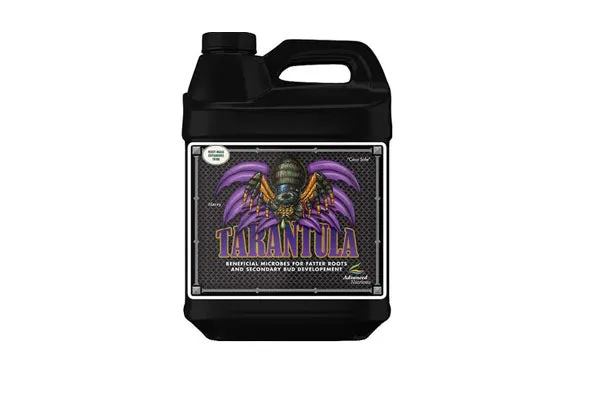
What is Advanced Nutrients Tarantula
Advanced Nutrients Tarantula is a premium root-enhancing product designed to maximize root development and overall plant health. It’s a beneficial bacteria and fungi inoculant, meticulously formulated to create a thriving root zone environment. Unlike traditional fertilizers that primarily focus on macronutrients, Tarantula works synergistically with your plants, fostering a biological environment that promotes vigorous growth and improved nutrient uptake. This results in healthier, more productive plants that are better equipped to handle the stresses of the growing environment. The product is celebrated among experienced growers for its ability to deliver consistent, impressive results, making it a cornerstone for any serious hydroponic or gardening endeavor.
The Science Behind Tarantula
The effectiveness of Tarantula is rooted in its advanced understanding of the plant rhizosphere, the area immediately surrounding the roots. This zone is teeming with microbial life, and Tarantula harnesses the power of beneficial bacteria and fungi to create a symbiotic relationship with plant roots. These microbes colonize the root system, forming a beneficial network that aids in nutrient absorption, disease resistance, and overall plant vitality. The scientific basis relies on the principle of biological control and plant-microbe interactions, where carefully selected microorganisms enhance the plants’ natural defenses and ability to thrive. This approach contrasts with conventional chemical treatments and provides a more sustainable and holistic way of cultivating plants.
Key Ingredients and Their Roles

Tarantula’s success stems from its carefully curated blend of beneficial microorganisms. These include various species of Bacillus and Trichoderma, each playing a crucial role in the overall health and performance of the plant. Bacillus species help in breaking down organic matter, making essential nutrients more readily available to the plants. Trichoderma fungi form a protective barrier around the roots, preventing harmful pathogens from attacking the plant, effectively bolstering the plant’s natural immune system. The precise combination and concentration of these beneficial microbes are what set Tarantula apart, delivering a powerful, synergistic effect that results in exceptional root growth and overall plant health. Furthermore, the product is typically easy to incorporate into existing nutrient regimens, making it user-friendly for both novice and experienced growers.
Benefit 1 Enhanced Root Mass
One of the most significant benefits of Advanced Nutrients Tarantula is its ability to dramatically enhance root mass. A larger, healthier root system is the foundation for a robust and productive plant. By introducing beneficial bacteria and fungi, Tarantula stimulates the development of a dense, complex root structure. This increased root mass allows the plant to absorb more water and nutrients, leading to faster growth, more vibrant foliage, and increased yields. The ultimate outcome is a more efficient plant, able to better utilize the resources available in its environment. This enhanced root system acts as a powerful anchor, providing greater stability and support as the plant matures.
How Tarantula Fuels Root Growth
Tarantula fuels root growth by creating an ideal environment within the root zone. The beneficial microbes in Tarantula colonize the roots, forming a symbiotic relationship that benefits both the plant and the microorganisms. These microbes produce natural hormones and enzymes that stimulate root cell division and elongation, leading to accelerated root growth. They also break down organic matter, releasing nutrients in a form that plants can readily absorb. The microbes improve the soil structure, increasing aeration and water retention, thus creating an optimal environment for roots to thrive. This synergistic action transforms the root zone into a dynamic ecosystem, driving exponential root growth and boosting overall plant health. It’s a carefully orchestrated process designed to create the best possible environment for plants to flourish.
Visualizing Root Growth with Tarantula

Observing the effects of Tarantula on root growth can be truly remarkable. Growers often report seeing a significant increase in the density and length of roots within a few weeks of application. Healthy roots appear white or light-colored, are robust, and exhibit a fine, hair-like structure that maximizes nutrient absorption. Plants treated with Tarantula typically show a more extensive root network, filling the growing medium with a complex web of fine roots. This visual evidence is a testament to the power of Tarantula in creating a superior root environment, which directly translates into more vigorous top growth and a healthier plant overall. Comparing root systems visually underscores the tangible benefits of using Tarantula.
Benefit 2 Optimized Nutrient Uptake
Another significant advantage of using Advanced Nutrients Tarantula is its ability to optimize nutrient uptake. The beneficial microorganisms in Tarantula work to break down complex nutrients into simpler forms that plants can readily absorb. This process increases the availability of essential elements like nitrogen, phosphorus, and potassium, which are crucial for plant growth and development. This enhanced nutrient absorption efficiency ensures that plants receive the necessary building blocks for optimal performance. This means that plants are better able to utilize the fertilizers and nutrients provided, leading to less waste and more efficient use of resources. It is essentially a nutrient delivery system, maximizing the benefits of other fertilizers.
The Role of Mycorrhizae
Mycorrhizae, a type of beneficial fungi often found in products like Tarantula, play a critical role in nutrient uptake. These fungi form a symbiotic relationship with plant roots, extending the root system’s reach and efficiency. They colonize the root hairs, forming a network that greatly increases the surface area available for nutrient absorption. Mycorrhizae are particularly effective at absorbing phosphorus, a critical nutrient for root development and flowering. The fungi also aid in the uptake of other essential elements, such as zinc and copper. In addition to nutrient uptake, mycorrhizae can improve soil structure and enhance the plant’s resistance to drought and other environmental stresses. By promoting the proliferation of mycorrhizae, Tarantula creates a highly efficient and resilient root system.
Tarantula’s Impact on Nutrient Availability

Tarantula directly impacts nutrient availability by facilitating the breakdown of organic matter and making nutrients more accessible to plants. The beneficial bacteria and fungi present in Tarantula release enzymes that decompose complex compounds into simpler forms that plants can readily absorb. This process is especially important for elements like phosphorus, which is often locked in the soil and unavailable to plants. Tarantula also helps to create a balanced pH in the root zone, further enhancing nutrient uptake. This ensures that plants receive the necessary nutrients in the correct proportions, maximizing their growth potential. It promotes a more efficient and effective nutrient cycle in the root zone. This efficient nutrient cycle contributes to overall plant health.
Benefit 3 Improved Plant Health and Resilience
Beyond root growth and nutrient uptake, Advanced Nutrients Tarantula significantly improves plant health and resilience. By introducing beneficial microorganisms, Tarantula creates a protective barrier against harmful pathogens and diseases. This enhanced resilience ensures that plants can withstand environmental stresses such as drought, heat, and disease outbreaks. Healthier plants are less susceptible to pests and diseases, which reduces the need for chemical interventions. The overall result is a more robust and thriving plant. The improved health benefits translate to a higher quality product, which results in better yields and happier growers. This creates a more sustainable approach to gardening.
Fighting Pathogens with Tarantula
Tarantula helps plants fight pathogens through various mechanisms. The beneficial bacteria and fungi in Tarantula compete with harmful pathogens for space and resources in the root zone, effectively crowding them out. Some of these beneficial microbes also produce natural antibiotics that inhibit the growth of disease-causing organisms. Trichoderma fungi, in particular, form a protective barrier around the roots, preventing pathogens from entering the plant. By creating a hostile environment for harmful organisms, Tarantula strengthens the plant’s natural defenses and reduces the risk of disease. This proactive approach to plant health is a cornerstone of organic and sustainable gardening practices.
Boosting Plant Defense Mechanisms

Tarantula boosts plant defense mechanisms by stimulating the plant’s natural immune system. The presence of beneficial microbes in the root zone triggers the plant to activate its defense responses, making it more resistant to stress. This includes the production of defensive compounds that protect against pests and diseases. The healthier the root system and the better the plant’s access to nutrients, the stronger its defenses. Tarantula helps to create this ideal environment, ensuring that the plant is prepared to withstand environmental challenges. This results in plants that are better equipped to grow and thrive in various conditions, leading to superior overall plant performance.
Benefit 4 Increased Yields and Quality
Ultimately, the benefits of Advanced Nutrients Tarantula contribute to increased yields and improved quality. By promoting vigorous root growth, enhancing nutrient uptake, and improving plant health, Tarantula lays the foundation for a more productive harvest. The increased efficiency in resource utilization leads to bigger, healthier plants that produce more fruit or flowers. Growers often report significant improvements in both the quantity and quality of their yields when using Tarantula. The result is a more bountiful harvest and a higher quality product that meets or exceeds expectations. The effect is noticeable in both the quantity and quality of the end product. Furthermore, by enhancing the plant’s overall health, Tarantula also helps to improve the flavor, aroma, and nutritional value of the final yield.
How Tarantula Impacts Harvest
Tarantula directly impacts the harvest by providing plants with the tools they need to maximize their potential. The strong, healthy root system ensures optimal nutrient absorption, leading to robust growth and increased flower or fruit production. The improved plant health makes the plant more resilient, reducing the risk of disease and pest infestations that can negatively impact yields. Plants treated with Tarantula often show faster growth rates and earlier flowering or fruiting, extending the harvest season. Overall, Tarantula helps to create a more productive and profitable harvest. This means bigger plants, and a better harvest, overall.
Real-world Results of Tarantula Use

Growers who have incorporated Advanced Nutrients Tarantula into their cultivation practices consistently report impressive results. They often see significant improvements in root mass, plant vigor, and overall health. Many growers highlight that their plants are more resistant to diseases and stresses, reducing the need for other interventions. Others have reported substantial increases in yields and improvements in the quality of their harvest, including enhanced flavor and aroma. These real-world examples offer compelling evidence of Tarantula’s effectiveness in various growing environments. The consensus among experienced growers is that Tarantula is a valuable addition to any nutrient regimen, helping to create flourishing gardens and more productive harvests. Growers consistently praise its impact on yield and overall plant health, highlighting its benefits in both hydroponic and soil-based growing systems.
Benefit 5 Environmentally Friendly Application
Advanced Nutrients Tarantula supports environmentally friendly gardening practices. By promoting plant health and resilience, Tarantula reduces the need for chemical pesticides and fungicides. This contributes to a healthier environment for plants, beneficial insects, and the grower. It also reduces the risk of chemical runoff and the negative impacts on the surrounding ecosystem. The use of beneficial microorganisms, such as those found in Tarantula, aligns with the principles of sustainable agriculture. It helps to create a more balanced and resilient growing environment that minimizes the negative impacts of traditional gardening practices. The use of natural products is a move toward greater sustainability.
Tarantula and Sustainable Gardening Practices
Tarantula fits perfectly into sustainable gardening practices. It promotes a healthy soil ecosystem, which reduces the need for synthetic fertilizers and pesticides. By encouraging beneficial microbial activity in the root zone, Tarantula improves nutrient cycling and makes plants more resistant to disease. This approach aligns with organic gardening principles. It supports the development of a more resilient and productive growing environment. The sustainable nature of Tarantula use contributes to a reduced environmental footprint. It supports a closed-loop system that promotes long-term ecological health. It is a natural and effective way to improve plant health, minimize environmental impact, and support responsible gardening practices.
Why Choose Tarantula

Choosing Advanced Nutrients Tarantula means investing in the health and productivity of your plants. It offers a range of benefits, from enhanced root growth and nutrient uptake to improved plant health and increased yields. It promotes a more resilient, sustainable, and ultimately more rewarding gardening experience. The product is formulated with high-quality ingredients. It is designed to deliver consistent, reliable results. This makes it an easy and effective choice for growers of all levels. By choosing Tarantula, growers are investing in a healthier, more productive, and environmentally responsible approach to cultivation. It is more than just a root enhancer. It is a comprehensive solution for plant health, offering a range of benefits for both the plant and the grower.