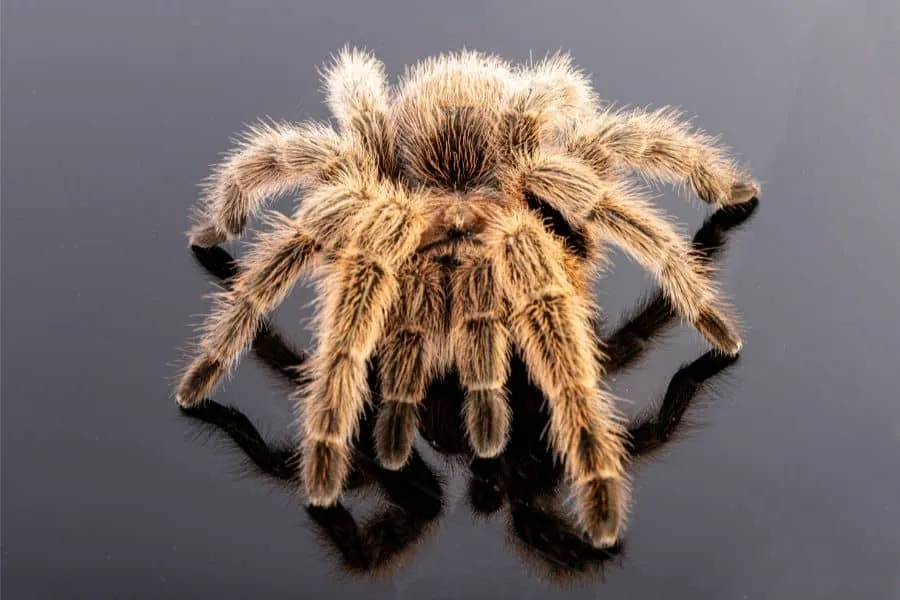
Top 5 Amazing Facts About Tarantulas
Tarantulas, with their hairy legs and imposing size, often evoke a mix of fascination and fear. These fascinating creatures, belonging to the spider family, have captivated people for centuries. But beyond their appearance, tarantulas boast a number of interesting characteristics. This article will explore five amazing facts about tarantulas, shedding light on their biology, behavior, and overall significance in the natural world. Discover what makes these creatures so unique and the important role they play in their ecosystems. Prepare to be amazed by the world of tarantulas!
Fact 1: Tarantulas are Arachnids
At the heart of understanding tarantulas lies their classification as arachnids. This places them in a broader group of animals that includes spiders, scorpions, mites, and ticks. The term ‘arachnid’ is derived from the Greek word ‘arachne,’ which means spider. This categorization is based on shared anatomical and physiological characteristics that set arachnids apart from other groups of animals, like insects.
What Does Arachnid Mean

The definition of an arachnid is an arthropod of the class Arachnida, such as a spider, scorpion, mite, or tick. These creatures are characterized by having eight legs, unlike insects, which have six. Arachnids also have two body sections, the cephalothorax (a fused head and thorax) and the abdomen. Furthermore, they lack antennae and have specialized mouthparts called chelicerae and pedipalps, used for feeding and sensory purposes. Tarantulas, as arachnids, share these fundamental features, making them easily distinguishable from insects and other invertebrates.
Common characteristics of arachnids
Beyond the basic features, arachnids exhibit other shared traits. Many have book lungs or book gills for respiration. They possess a simple eye structure, often with multiple pairs of eyes that provide them with excellent vision, particularly for detecting movement. The body of an arachnid is covered by a tough exoskeleton made of chitin, which provides protection and support. Understanding these common characteristics helps in appreciating the broader context of tarantulas within the animal kingdom.
Fact 2: Tarantulas Come in Many Species
The diversity of tarantula species is truly remarkable. There are over 900 recognized species of tarantulas, distributed across various regions of the world, with the greatest diversity found in tropical and subtropical climates. These species vary significantly in size, coloration, and habitat preferences. Some tarantulas are small, while others can reach impressive sizes, with leg spans exceeding 10 inches. The range of colors is equally varied, from earthy browns and blacks to vibrant blues, oranges, and reds, making each species unique and visually stunning.
Diversity in Colors and Sizes

Tarantulas exhibit a wide range of sizes, from smaller species that are only a few inches in leg span to the largest ones that can reach over 10 inches. The colors are also extremely diverse, with some species being plain brown or black and others displaying bright blues, oranges, yellows, and reds. These color variations often serve as camouflage or a form of communication within the species. The diversity in size and color is a testament to the evolutionary adaptations that have allowed tarantulas to thrive in a variety of environments.
Origin of Tarantulas
Tarantulas evolved from ancient spider ancestors, with fossils dating back millions of years. These early tarantulas, likely resembled their modern counterparts, adapted to their environments and spread across the globe. The wide distribution of tarantula species today is a result of the movement of continents and the adaptive success of tarantulas in various habitats. The origin of tarantulas is still a subject of scientific study, but it’s clear that they have a long and rich history that makes them a fascinating group of creatures.
Fact 3: Tarantulas Molt Their Skin
Like all arthropods, tarantulas have an exoskeleton that does not grow. This means that as they grow, they need to shed their old exoskeleton and replace it with a new, larger one. This process is called molting, and it’s a crucial part of a tarantula’s life cycle. Molting allows them to grow, regenerate lost limbs, and rid themselves of parasites. The process is quite remarkable and can be an incredible sight to witness, though it can be a vulnerable time for the tarantula.
What is Molting

Molting is the process by which tarantulas shed their exoskeleton. The tarantula produces a new, soft exoskeleton beneath the old one. The old exoskeleton then splits open, and the tarantula wriggles free, leaving behind its old skin. During this time, the tarantula is incredibly vulnerable as its new exoskeleton is soft and it is unable to defend itself effectively. The process can take several hours, and the tarantula must be careful not to damage its new exoskeleton. After molting, the tarantula’s new exoskeleton gradually hardens, and it grows larger.
How often do tarantulas molt
The frequency of molting depends on the tarantula’s age, growth rate, and the species. Young tarantulas molt more frequently, sometimes every few months, as they are growing rapidly. As they mature, the molting frequency decreases, with adult tarantulas molting only once a year or even less often. The molting process is also influenced by factors like diet and environmental conditions, as a healthy tarantula in a good environment will molt more successfully.
Fact 4: Tarantulas Have Silk
Tarantulas produce silk, just like other spiders, but they use it in unique ways. This silk is not primarily for catching prey but rather for creating a comfortable habitat, protecting their eggs, and as a safety line. The versatility of tarantula silk showcases their evolutionary adaptations and its importance in their survival. The silk is a testament to their ingenuity and their intricate behaviors.
Use of Silk

Tarantulas use silk for various purposes. They use it to line their burrows or create a silken mat on which to rest. Female tarantulas often use silk to construct egg sacs, providing a safe environment for their eggs. Additionally, they use silk as a safety line, which allows them to quickly escape from a dangerous situation. If a tarantula is startled or falls, the silk thread acts as a tether, preventing them from falling too far and potentially injuring themselves.
Silk production
Tarantulas have spinnerets located on the underside of their abdomen, which are the organs that produce silk. They can produce multiple types of silk with varying properties, each suited to a specific purpose. The silk is made from a protein-based liquid that hardens upon contact with air. The tarantula controls the type and amount of silk produced depending on the task at hand. Silk production is a complex process that allows tarantulas to survive and thrive in their environments.
Fact 5: Tarantulas Have Venom
All tarantulas possess venom, a mixture of toxins injected through their fangs. However, the potency of tarantula venom varies among species. While the venom is designed to subdue prey, it is generally not considered highly dangerous to humans. Tarantula bites are often compared to a bee sting, causing localized pain, redness, and swelling. Serious reactions are rare, but it is still important to exercise caution when handling tarantulas. Understanding the effects of venom and the defensive mechanisms of tarantulas provides important insights into their behavior.
The effects of tarantula venom on humans

The effects of a tarantula bite on humans are usually mild. The venom causes local pain, redness, and swelling at the bite site. Some individuals may experience mild systemic symptoms such as muscle cramps, nausea, or fever, but severe reactions are extremely rare. Allergic reactions can occur, but these are not typical. Medical attention is generally not required unless symptoms become severe or persist for a long time. Always seek medical advice if you are bitten by a tarantula or have any concerns.
Defensive mechanisms of tarantulas
Tarantulas have several defensive mechanisms to protect themselves. Besides their venom, they have urticating hairs, which they flick off their abdomen when threatened. These tiny hairs cause irritation and itching. Tarantulas may also raise their front legs and rear up to appear larger and more intimidating. In extreme cases, they may bite, though this is often a last resort. Understanding these defense mechanisms helps to appreciate the strategies tarantulas use for survival.
Conclusion
From their classification as arachnids to their diverse species, molting process, silk production, and venom, tarantulas are fascinating creatures. These amazing facts only scratch the surface of the extraordinary world of tarantulas. As you now know, they are not just fearsome monsters, but rather complex and adaptable beings with fascinating behaviors and unique adaptations. These creatures play an important role in their ecosystems and can be appreciated for their unique contributions to the natural world. So next time you see a tarantula, remember these facts and appreciate the wonders of these incredible animals.