
Tarantula Survival Introduction
Tarantulas, with their impressive size and unique characteristics, have captivated the curiosity of many. One of the most common questions that arises when considering these fascinating creatures as pets or simply learning about them is: how long can a tarantula survive without food? The answer is complex, as several factors influence a tarantula’s ability to endure periods of fasting. This article aims to delve into the various elements that affect a tarantula’s survival without food, offering insights into their remarkable resilience and how to care for these arachnids.
Factors Affecting Tarantula Survival
Several factors interplay to determine how long a tarantula can survive without sustenance. These factors range from the tarantula’s intrinsic characteristics to the environmental conditions in which it lives. Understanding these influences is crucial for providing appropriate care and ensuring the well-being of your tarantula. The duration a tarantula can go without eating varies significantly, and it’s important to appreciate the nuances that contribute to this ability.
Age and Size

The age and size of a tarantula play a significant role in its survival capabilities. Younger tarantulas, particularly spiderlings, have higher metabolic rates compared to adults. They require more frequent feeding to fuel their rapid growth. Adult tarantulas, having reached their full size, have slower metabolisms and can survive longer periods without food. Larger tarantulas also tend to have greater reserves of energy, allowing them to endure fasting for extended durations.
Metabolic Rate
A tarantula’s metabolic rate directly influences its need for food. Metabolic rate is the speed at which the tarantula’s body converts food into energy. Factors like age, activity level, and environmental conditions affect the metabolic rate. Tarantulas with slower metabolisms can conserve energy more efficiently, extending their ability to survive without food. For instance, a sedentary tarantula kept in a stable, comfortable environment will likely have a slower metabolism than an active tarantula kept in fluctuating conditions.
Environmental Conditions
The environment a tarantula inhabits has a considerable impact on its survival. Optimal conditions can significantly extend the time a tarantula can survive without eating. Conversely, unfavorable environments can weaken the tarantula, making it more susceptible to starvation. Understanding how humidity, temperature, and water availability affect a tarantula’s well-being is essential for responsible pet ownership and the appreciation of these creatures’ resilience.
Humidity and Temperature

Humidity and temperature are crucial environmental factors. Tarantulas thrive within specific humidity and temperature ranges, varying by species. Maintaining optimal conditions helps regulate the tarantula’s metabolism and conserves energy. Too high or too low temperatures can stress a tarantula, increasing its energy expenditure and making it more vulnerable to starvation. High humidity is also important for some species for proper molting and overall health.
Water Availability
While a tarantula can survive for extended periods without food, access to fresh water is vital. Water helps with various bodily functions, including nutrient transport and waste removal. A dehydrated tarantula will be far less resilient, regardless of its food reserves. Providing a shallow water dish, which is regularly refilled, is essential for maintaining a tarantula’s health, especially during periods of fasting. Water is as essential as food.
Different Species
The ability of a tarantula to survive without food also depends on its species. Some species are naturally more resilient and can endure longer periods of fasting than others. It’s important to research the specific needs of the tarantula species you have or are considering keeping. Understanding the nuances of each species will help you provide the best possible care and appreciate their unique adaptations. There are vast differences in the behaviors and requirements.
How Long Can Different Tarantula Species Survive?

Generally, most adult tarantulas can survive several months without food, and some species can even last up to a year. However, this is a broad estimate, and individual cases may vary. Several factors, including the ones mentioned above, can influence this time frame. Observing your tarantula and understanding its species-specific behavior is essential. Always ensure that the tarantula has access to clean water and a suitable environment during periods of fasting.
New World Tarantulas
New World tarantulas, native to the Americas, tend to be hardier regarding food. Some species can endure extended fasting periods. They are often more adaptable to variations in humidity and temperature than Old World species. This resilience is linked to their evolutionary history and the environments they inhabit. Providing appropriate care, like a proper habitat and access to water, can ensure their health and survival.
Old World Tarantulas
Old World tarantulas, which originate from regions like Asia, Africa, and Australia, can be more sensitive to environmental changes. While they can also survive without food for some time, they may require more specific environmental conditions to thrive. Their metabolism may be more sensitive to temperature and humidity changes, influencing their ability to endure fasting. It is imperative to provide a stable and suitable environment to avoid stress and support their survival.
Tarantula Health During Fasting

It is essential to monitor a tarantula’s health during periods of fasting. Although tarantulas are well-adapted to these periods, it is important to ensure that they remain in good condition. Certain signs indicate that the tarantula is healthy and coping well with the lack of food. Conversely, other signs may suggest that the tarantula is in distress and requires immediate attention. Monitoring a tarantula’s behavior and appearance is vital to its well-being.
Signs of a Healthy Tarantula
A healthy tarantula during fasting typically exhibits consistent behaviors. The tarantula might remain active or retreat to a favored hiding spot. The abdomen should appear plump, indicating adequate hydration and reserves. The tarantula should also have a normal posture, with all legs functioning well. If the tarantula is otherwise healthy, it is likely that it can endure fasting. Regular observation of these behaviors offers reassurance that the tarantula is adjusting well.
Signs of a Tarantula in Distress
Several signs may indicate that a tarantula is struggling. These signs include lethargy, a shrunken abdomen, and difficulty moving. A tarantula that consistently lies on its back or exhibits tremors may also be in distress. If you observe any of these signs, it is crucial to re-evaluate the tarantula’s environment and overall care. Consult with a veterinarian experienced in exotic animals or an experienced tarantula keeper. Immediate action may be necessary to address the underlying issues and save the tarantula.
Feeding Your Tarantula

Although tarantulas can survive without food, appropriate feeding practices are crucial for their health and longevity. Regular feeding provides essential nutrients and supports the tarantula’s growth and overall well-being. Understanding what to feed a tarantula, the ideal feeding schedule, and how to handle the process are essential parts of responsible tarantula care. Providing high-quality food and following a suitable schedule will keep the tarantula healthy and thriving.
Best Food for Tarantulas
Tarantulas primarily feed on insects. Crickets, mealworms, roaches, and other commercially available insects are common choices. The size of the insects should be appropriate for the tarantula’s size; too large, and the tarantula may be intimidated or unable to handle them. It’s best to offer a variety of insects to ensure a balanced diet. The insects should be gut-loaded before feeding to the tarantula. Gut-loading means feeding the insects nutritious foods, so the tarantula gets the benefit.
Feeding Schedule
The feeding schedule will depend on the tarantula’s age and species. Young tarantulas, which are growing, may require feeding every few days. Adult tarantulas can often be fed once or twice a week. Observe your tarantula’s behavior and adjust the feeding schedule accordingly. Overfeeding can lead to health issues, so it is crucial to avoid this. If the tarantula is not eating, it may be preparing to molt, and it is best not to offer food during this process. Providing a varied, healthy diet is key to supporting the tarantula’s longevity.
Tarantula Survival Conclusion
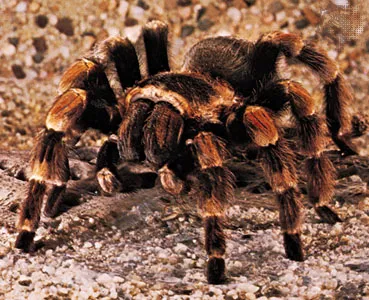
Tarantulas are remarkable creatures, capable of enduring prolonged periods without food. Their ability to survive without sustenance is a result of complex interplay factors, including age, size, metabolic rate, and environmental conditions. Understanding these factors and the specific needs of different tarantula species is essential for responsible pet ownership and the appreciation of these fascinating arachnids. By providing a suitable environment, access to fresh water, and a proper feeding schedule, you can ensure your tarantula thrives and enjoys a long, healthy life.