Top 5 Tarantula Substrates
Choosing the right substrate is crucial for the health and well-being of your tarantula. The substrate provides a comfortable environment, aids in humidity regulation, and allows for natural behaviors like burrowing. With a plethora of options available, selecting the best substrate can be daunting. This guide highlights the top 5 substrates favored by experienced tarantula keepers, detailing their benefits, drawbacks, and ideal uses. Understanding these options will empower you to create the perfect habitat for your eight-legged friend, ensuring a happy and thriving tarantula.
Coconut Fiber Benefits
Coconut fiber, also known as coir, is a popular choice for tarantula substrates. Derived from the husk of coconuts, it offers several advantages. Its natural properties make it an environmentally friendly option. Moreover, its excellent moisture-retention capabilities are ideal for maintaining the required humidity levels in your tarantula’s enclosure. The fibrous texture allows for burrowing, which is vital for many tarantula species. Coconut fiber also resists mold and mildew, reducing the risk of harmful microorganisms and promoting a healthier environment. These benefits make it a versatile and safe choice for various tarantula species.
Pros of Coconut Fiber

The advantages of using coconut fiber are numerous. Its high absorbency helps regulate humidity, crucial for the molting process and overall health of your tarantula. It’s readily available and relatively inexpensive. Coconut fiber also has a natural resistance to mold and pests, which is beneficial for maintaining a clean and healthy habitat. The texture is ideal for burrowing species, enabling them to engage in natural behaviors. Furthermore, it’s easy to work with and provides a visually appealing aesthetic for your tarantula enclosure.
Cons of Coconut Fiber
While coconut fiber has many benefits, it also has drawbacks. Some varieties can be dusty, potentially causing respiratory issues if not properly rinsed or handled. It can sometimes dry out relatively quickly, requiring frequent misting or watering to maintain adequate humidity, which is particularly important in arid environments. Depending on the source, there can be variations in quality. Finally, while generally safe, it is not always the best option for species requiring very low humidity levels.
Peat Moss for Tarantulas
Peat moss is another viable option for tarantula substrates. It is a natural product made from partially decomposed plant matter. It offers excellent moisture retention and is often mixed with other substrates to achieve the desired humidity levels. Peat moss provides a naturalistic look and feel, which can enhance the aesthetic of your tarantula’s enclosure. It is particularly well-suited for species that thrive in humid environments and appreciate burrowing. Remember to use peat moss that is free from fertilizers or additives that could be harmful to your tarantula.
Pros of Peat Moss

Peat moss excels at moisture retention, making it a solid choice for maintaining the humidity needs of many tarantula species. It creates an ideal environment for burrowing, encouraging natural behaviors. The natural composition is generally safe, provided it is sourced from reputable suppliers and free from additives. It’s widely available and relatively inexpensive. The dark color of peat moss can also provide a natural and visually appealing backdrop for your tarantula, enhancing the overall aesthetic of the enclosure.
Cons of Peat Moss
Peat moss can sometimes be acidic, which may not be ideal for all tarantula species. It can also compact over time, reducing its ability to retain moisture and impeding burrowing. It may require more frequent monitoring to maintain the appropriate humidity levels compared to other substrates. Some keepers find that peat moss can be messy, requiring more frequent cleaning. Furthermore, its dark color may not be suitable for viewing tarantulas effectively, particularly those that are lighter in color.
Vermiculite for Tarantulas
Vermiculite is a mineral substrate often used for its excellent moisture-retention and aeration properties. It is lightweight and provides good insulation. Vermiculite is commonly used for maintaining humidity in tarantula enclosures. It is particularly useful in combination with other substrates to enhance their water-holding capabilities. It is a safe and non-toxic option, however, it isn’t as aesthetically pleasing as some other options, and it’s not ideal for burrowing species.
Pros of Vermiculite

The advantages of vermiculite include excellent moisture retention, making it ideal for regulating humidity. It is lightweight and easy to work with, making it simpler to manage enclosures. It is also a non-toxic material, which is very important for the safety of your tarantula. Vermiculite can be mixed with other substrates to improve their moisture-holding capacity and aeration. It is usually readily available at pet stores and garden centers.
Cons of Vermiculite
The primary drawback of vermiculite is that it is not suitable for burrowing tarantulas, as it does not provide structure for tunnels. It can sometimes become compacted over time, reducing aeration. Additionally, it might not be as visually appealing as other options, which some keepers consider a disadvantage. Although it is non-toxic, some tarantulas can ingest it, which isn’t ideal. Vermiculite is best used as a supplemental component, combined with other substrates, rather than as a standalone substrate.
Topsoil Substrate
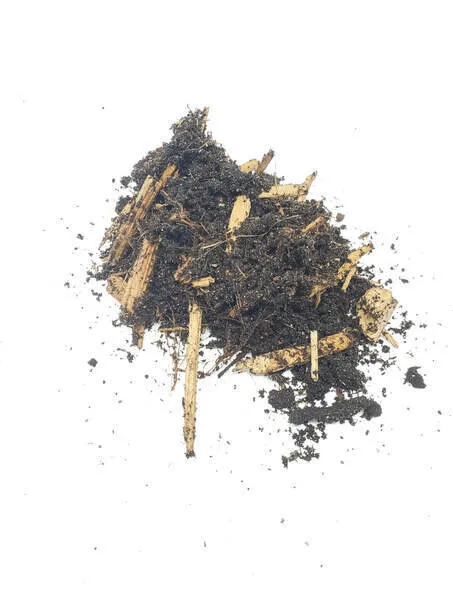
Topsoil, sourced from a reputable provider and free from pesticides or fertilizers, can be a natural and beneficial substrate for your tarantula. It allows for excellent burrowing behavior and provides a more naturalistic environment. The soil should be mixed with other substrates like coconut fiber to enhance drainage and prevent compaction. Topsoil is often a favorite choice of more experienced keepers because of its natural benefits and how it allows tarantulas to behave naturally.
Pros of Topsoil
Topsoil is great for burrowing species and encourages natural behaviors, providing mental and physical enrichment for your tarantula. It offers a naturalistic environment, which can make the enclosure look more appealing and provide a more comfortable habitat for your tarantula. It can be readily available and relatively inexpensive, depending on the source. It provides excellent drainage and aeration when mixed with other substrates like coconut fiber. Additionally, it holds moisture, which helps maintain humidity, which is very important.
Cons of Topsoil
Topsoil can vary in quality depending on its source. It is essential to make sure it is free from pesticides, fertilizers, and other harmful chemicals. There is also a risk of compaction, which may require mixing it with other substrates. It can be messy, requiring more frequent cleaning of the enclosure. It may also harbor unwanted organisms if not sterilized properly. The process of ensuring the safety of topsoil requires more diligence than with other substrates.
Sphagnum Moss for Tarantulas
Sphagnum moss is a great choice for tarantulas, providing excellent moisture retention and a natural aesthetic. It is especially well-suited for tropical species that require high humidity levels. It’s beneficial for maintaining the necessary microclimate within the enclosure. Sphagnum moss is also an excellent option for creating a more natural and visually appealing environment. It’s essential to ensure the moss is clean and free from additives, to ensure the safety of your tarantula.
Pros of Sphagnum Moss
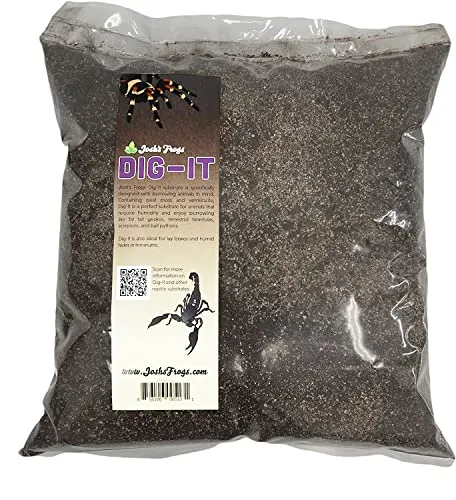
Sphagnum moss offers superior moisture retention, making it ideal for species that thrive in humid environments. It provides a naturalistic look and feel, which enhances the enclosure’s aesthetics. It is readily available at most pet stores, and relatively inexpensive. It helps maintain the proper microclimate within the enclosure, making it ideal for many tropical species. It can also be used to create humid hides, essential for molting and overall well-being. Sphagnum moss’s versatility is another great benefit.
Cons of Sphagnum Moss
Sphagnum moss may not be ideal for all tarantula species, specifically those that require low humidity levels. It can become compacted over time, if not properly maintained. There is a risk of mold growth if the moss is kept too damp. While readily available, the quality of the moss can vary, so it’s important to source it from a reputable supplier. It requires frequent monitoring to prevent the buildup of mold and maintain the ideal humidity levels for your tarantula.
Factors in Substrate Choice
Selecting the right substrate for your tarantula goes beyond just choosing one from the options. Various factors must be considered to ensure your tarantula thrives in its habitat. These considerations include the specific species of your tarantula, its humidity requirements, and its natural behaviors. Considering these factors will help you make the best decision possible for the health and happiness of your tarantula. This is important for the long-term health of your tarantula.
Humidity and Substrate

Humidity is crucial for tarantula health, especially during molting. The substrate plays a significant role in regulating humidity. Substrates like coconut fiber and sphagnum moss are excellent choices for maintaining high humidity levels, while others, such as vermiculite, are often used to supplement humidity. Regularly monitoring humidity levels with a hygrometer is important to ensure the environment is ideal for your tarantula. Adjusting the amount of water and the choice of substrate will play a role in managing humidity.
Burrowing Behavior and Substrate
Many tarantula species are natural burrowers. Providing a substrate that allows for this behavior is essential for their well-being. Substrates like topsoil and coconut fiber are excellent for burrowing, as they provide the necessary structure for tunnel creation. The depth of the substrate should also be considered, with burrowing species needing a deeper layer to allow for proper burrowing. Providing a suitable substrate allows tarantulas to display natural behaviors and can reduce stress. Make sure you consider this if you have a burrowing tarantula species.
Choosing the Right Substrate for Your Tarantula
Choosing the right substrate is an important decision for any tarantula keeper. Coconut fiber, peat moss, vermiculite, topsoil, and sphagnum moss each offer unique benefits. It’s essential to consider your tarantula species’ specific needs, including humidity requirements and burrowing behavior. Remember to prioritize safety by sourcing substrates from reputable suppliers and ensuring they are free from harmful chemicals. By carefully considering these factors, you can create a healthy and enriching environment for your tarantula, promoting its longevity and overall well-being. The right substrate is a key part of providing proper care.