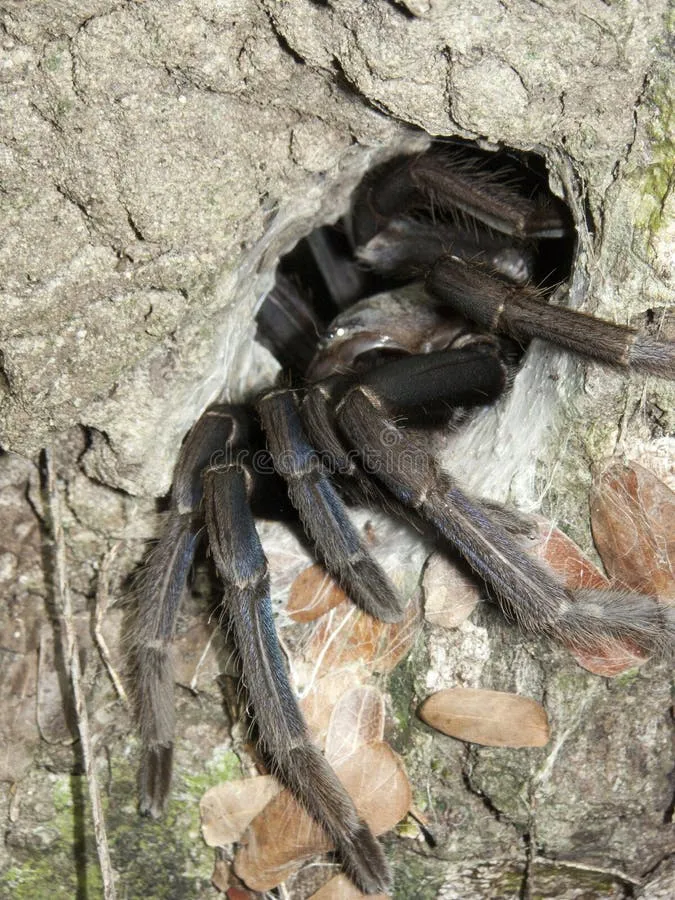
Choosing the Right Tarantula Spider Home
Setting up a tarantula spider home is a crucial first step in providing a healthy and comfortable environment for your new pet. The right setup minimizes stress and maximizes the chances of your tarantula thriving. This guide breaks down the essential elements of a tarantula spider home, making the process simple and straightforward. A well-designed habitat not only meets the tarantula’s basic needs but also allows you to observe and enjoy your fascinating arachnid friend. Whether you’re a first-time tarantula owner or looking to improve an existing setup, this guide will help you create the perfect tarantula spider home. Remember to consider the specific needs of your tarantula species, as some may require slightly different conditions. Regular maintenance is key, ensuring your tarantula’s environment remains clean and conducive to its well-being. So, let’s dive into creating the perfect home for your tarantula spider.
Tank Size Matters
The size of the enclosure is one of the most critical factors in a tarantula spider home. A habitat that is too small can restrict movement and lead to stress, while a habitat that is too large can make it difficult for the tarantula to find food and feel secure. As a general rule, the enclosure should be approximately three times the tarantula’s leg span in width and length. For example, a juvenile tarantula with a 2-inch leg span would be comfortable in a 6x6x6-inch enclosure. For larger, terrestrial tarantulas, a 10-gallon tank or larger is often recommended. Always consider the adult size of the tarantula when selecting an enclosure. It’s better to start with a slightly larger enclosure than to have to upgrade later. Proper ventilation is also essential, so ensure the enclosure has appropriate ventilation holes or a screen top.
Selecting the Ideal Enclosure Material

The material of the tarantula spider home is another important consideration. The most common materials are glass and acrylic. Each has its advantages and disadvantages. Glass enclosures are generally more affordable and scratch-resistant, making them durable options for long-term use. They also provide excellent visibility, allowing you to observe your tarantula closely. Acrylic enclosures, on the other hand, are lightweight and offer superior insulation, which can help regulate temperature and humidity. They are also less likely to shatter if dropped. The choice between glass and acrylic often comes down to personal preference and budget, but both materials can provide a suitable environment for your tarantula spider home.
Glass or Acrylic
Glass enclosures are a classic choice, known for their durability and clarity. They are generally less expensive and resistant to scratches, making them a cost-effective option. However, glass can be heavy, and the insulation properties are not as good as acrylic. Acrylic enclosures are lightweight, offering better insulation, which helps maintain consistent temperature and humidity levels. Acrylic also provides excellent visibility and is less prone to shattering if dropped. The best choice depends on your priorities regarding budget, weight, and insulation needs. Consider the long-term suitability and ease of maintenance when making your decision, ensuring the enclosure fits your tarantula’s specific requirements.
Ventilation is Key
Proper ventilation is absolutely critical in a tarantula spider home to prevent the buildup of harmful humidity and mold. Enclosures should have ventilation holes or a screen top to allow for airflow. The amount of ventilation needed depends on the species of tarantula and the humidity requirements. Some species thrive in higher humidity environments and may require less ventilation. The enclosure should be designed to allow for adequate airflow without causing the substrate to dry out too quickly. A well-ventilated enclosure promotes a healthy environment for your tarantula and reduces the risk of respiratory issues and other health problems. Always monitor the enclosure’s humidity levels and adjust ventilation as needed to maintain the ideal conditions.
Substrate Selection

Choosing the right substrate is a fundamental aspect of creating a suitable tarantula spider home. The substrate serves multiple purposes, including providing a comfortable surface for the tarantula to walk on, helping to maintain humidity levels, and allowing the tarantula to burrow. The substrate should be non-toxic, absorbent, and free of any chemicals or additives that could harm the tarantula. The ideal substrate will vary depending on the species of tarantula, as some species prefer drier environments, while others require higher humidity. Thorough research into your tarantula’s needs is vital to making the best choice, ensuring a healthy and happy habitat.
Importance of Substrate
Substrate is more than just bedding; it is a crucial element of the tarantula spider home ecosystem. It provides a foundation for the tarantula to establish its burrow or web. The substrate helps maintain the correct humidity levels within the enclosure, which is essential for the tarantula’s health and molting process. Additionally, the substrate absorbs waste and helps to keep the enclosure clean, preventing the buildup of harmful bacteria and odors. A proper substrate also allows the tarantula to exhibit natural behaviors, such as burrowing and hiding, which are vital for their well-being. Regularly maintaining and replacing the substrate is essential for ensuring a healthy and comfortable living environment.
Types of Substrate
There are various types of substrate available for tarantula spider homes. The most common include coconut fiber (coco coir), peat moss, vermiculite, and a mixture of these. Coco coir is a popular choice due to its excellent moisture retention properties, making it ideal for species that require higher humidity. Peat moss is another good option, offering similar benefits, but it can be acidic. Vermiculite is used to help regulate humidity but may not be suitable as a sole substrate. Some keepers use a mix of substrate materials to create a customized environment that meets the specific needs of their tarantula species. The substrate should be at least 2-4 inches deep for burrowing species, while arboreal species may need less.
Adding the Substrate

When adding substrate to the tarantula spider home, start by thoroughly moistening the substrate if needed. The level of moisture will vary depending on the species’ needs, but it should be damp, not soaking wet. Pour the substrate into the enclosure, creating a layer that is deep enough for the tarantula to burrow or feel secure. Avoid packing the substrate too tightly, as this can hinder the tarantula’s ability to burrow. Ensure the substrate is level and free of any debris that could harm the tarantula. Add any decorative elements, such as hides or cork bark, before introducing the tarantula. The substrate should be spot-cleaned regularly to remove waste and uneaten food. Replace the entire substrate every few months to maintain a clean and healthy environment. You can use a spray bottle to add water if you want a better humidity level.
Decorating Your Tarantula Spider Home
Decorating the tarantula spider home is about more than just aesthetics; it’s essential for providing enrichment and promoting the tarantula’s well-being. The right decorations will offer hiding places, climbing opportunities, and a more natural environment that mimics their natural habitat. The type of decorations will vary depending on the species of tarantula. Terrestrial species often benefit from hides, such as cork bark or artificial caves. Arboreal species will need climbing structures such as branches and vertical hides. Careful consideration of the tarantula’s needs will enhance their home and create a more fulfilling life.
Hiding Places
Hiding places are crucial for tarantulas, as they provide security and reduce stress. Provide at least one hide, such as a piece of cork bark, a hollow log, or a commercially available hide, that is large enough for the tarantula to comfortably retreat. Ensure the hide is stable and won’t collapse. The hide should be placed in a location where the tarantula can easily access it. Hiding spots are especially important during molting, as tarantulas are vulnerable during this time. Also, consider the species-specific preferences. Some tarantulas prefer to burrow, so providing a deep substrate will be their primary hide.
Water and Humidity

Maintaining the correct humidity level is critical for the health of your tarantula. Humidity is essential for successful molting and overall well-being. The humidity requirements vary depending on the species. Tropical species generally need higher humidity levels (70-80%), while arid species require lower humidity (50-60%). Use a hygrometer to measure humidity levels and adjust the moisture in the substrate and ventilation to maintain the right conditions. Provide a shallow water dish with clean water at all times. The water dish should be shallow enough to prevent the tarantula from drowning. Consider using a water bowl with a sponge or water gel to keep the water clean and prevent the tarantula from getting stuck.
Temperature and Lighting
Temperature and lighting play essential roles in the tarantula spider home. Maintaining the correct temperature range is crucial for the tarantula’s metabolism, activity level, and overall health. Lighting is important as well, especially for diurnal species. However, tarantulas are primarily nocturnal and do not require intense lighting. The ideal conditions will vary depending on the species, so research the specific requirements for your tarantula. Providing the right temperature and lighting will ensure that your tarantula thrives and exhibits its natural behaviors.
Optimal Temperature Range
The optimal temperature range for most tarantula species is between 75-85°F (24-29°C). Use a thermometer to monitor the temperature within the enclosure. Avoid placing the enclosure in direct sunlight or near a heat source, as this can cause the temperature to fluctuate rapidly and overheat the tarantula. If you need to increase the temperature, a low-wattage heat lamp or a heat mat placed on the side of the enclosure can be used. Make sure to monitor the temperature closely to prevent overheating. Also, provide a temperature gradient within the enclosure, allowing the tarantula to choose its preferred temperature zone. You can use a thermometer to read the temperature in different parts of the enclosure.
Lighting Needs

Tarantulas are primarily nocturnal and do not require intense lighting. The standard ambient room light is usually sufficient. If you want to add lighting, use a low-wattage LED bulb or a specialized reptile light. Avoid using bulbs that emit excessive heat. Never put a light directly over your tarantula’s enclosure, as it can overheat the enclosure. The use of a day/night cycle can be beneficial, but it is not essential. Ensure that the enclosure is kept in a location away from direct sunlight to prevent overheating and excessive light exposure. Dim lighting can enhance the viewing experience while not affecting your tarantula’s well-being.
Maintenance and Care
Regular maintenance and care are critical for the health and well-being of your tarantula. This involves providing appropriate food and water, cleaning the enclosure, and monitoring the tarantula for any signs of illness or stress. A well-maintained habitat prevents the buildup of harmful bacteria and parasites, which can cause disease. Regular observation of your tarantula’s behavior and health allows you to identify any problems early. Following a consistent care routine ensures your tarantula lives a long and healthy life, allowing you to enjoy the beauty and intrigue of these fascinating creatures.
Feeding Your Tarantula
Feeding frequency varies depending on the tarantula’s age and species. Juvenile tarantulas should be fed more often than adults. Younger tarantulas may need to be fed 2-3 times per week, while adult tarantulas may only need to be fed once or twice a week. Feed your tarantula a diet of appropriately sized insects, such as crickets, roaches, or mealworms. The insects should be no larger than the tarantula’s body size. Remove any uneaten food within 24 hours to prevent mold and pest infestations. Ensure your tarantula has access to clean water. Be careful when you feed them; some tarantulas might eat the bowl if they are hungry. Also, avoid overfeeding. The abdomen of the tarantula should be round and firm but not excessively large.
Watering Schedule

Providing clean water is essential for your tarantula’s hydration. Always have a shallow water dish available. Refill the water dish regularly, ideally every 1-2 days, to ensure it remains clean and fresh. For species that require higher humidity, mist the enclosure regularly with a spray bottle to maintain the appropriate moisture levels. Avoid over-misting the enclosure, as excessive moisture can lead to mold growth. Monitor the water dish and the overall humidity levels to ensure your tarantula has adequate hydration and that its environment is healthy. Some species, especially those that burrow, will not need a water dish, but a moist substrate is crucial.
Cleaning and Maintenance
Regular cleaning is important to maintain a healthy environment for your tarantula. Spot-clean the enclosure weekly by removing any uneaten food, shed skin, and feces. Replace the substrate every few months or as needed to prevent the buildup of waste and harmful bacteria. When cleaning the enclosure, use a mild, unscented soap or a reptile-safe disinfectant. Avoid using harsh chemicals, as they can harm your tarantula. Regularly check the enclosure’s ventilation and make sure the enclosure is free of pests or mold. Always wash your hands thoroughly before and after handling your tarantula or its enclosure. This will keep the enclosure clean and help your tarantula to live a long and healthy life.