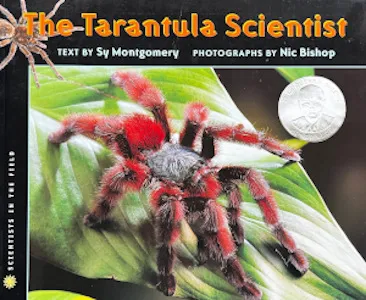
What is a Tarantula Scientist
A tarantula scientist, also known as an arachnologist specializing in tarantulas, is a biologist who dedicates their research to the study of these fascinating spiders. This field combines aspects of zoology, ecology, and behavior to understand the diverse world of tarantulas. These scientists delve into various areas, from the spiders’ physiology and genetics to their interactions with the environment and conservation status. Their work is crucial for expanding our knowledge of biodiversity and implementing effective conservation strategies. Studying tarantulas provides invaluable insights into spider evolution, behavior, and their role within ecosystems, which contributes significantly to the broader understanding of arachnids and their impact on the environment.
The Role of a Tarantula Scientist
Tarantula scientists play a multifaceted role in the scientific community. They are at the forefront of exploring and documenting tarantula diversity, behavior, and ecological roles. Their work involves detailed observation, experimentation, and analysis, aiming to understand various aspects of tarantula life. This includes studying their habitats, diets, and interactions with other species. The scientists also contribute to educational outreach, sharing their knowledge through publications, lectures, and museum exhibits, which promote a better understanding of arachnids and their importance. Their scientific pursuits contribute to the wider body of knowledge concerning these creatures.
Responsibilities
The responsibilities of a tarantula scientist are extensive, encompassing a wide range of tasks critical to their research. These professionals spend considerable time in the field, collecting specimens, observing tarantulas in their natural habitats, and gathering data on environmental factors. They also work in laboratories, conducting experiments, analyzing samples, and processing data, using advanced technologies such as microscopy and genetic analysis. Additionally, a tarantula scientist is responsible for publishing findings in scientific journals, presenting research at conferences, and communicating complex information to both scientific and general audiences, which contributes to knowledge dissemination.
Skills and Qualifications
To become a tarantula scientist, certain skills and qualifications are essential. A strong academic background in biology, zoology, or a related field is fundamental. Researchers need excellent observational skills, meticulous attention to detail, and the ability to design and execute scientific experiments. They also require proficiency in data analysis, statistical methods, and the use of scientific software. Excellent writing and communication skills are crucial for publishing research findings and presenting them to colleagues and the public. Fieldwork often necessitates physical stamina, adaptability to various environments, and the ability to work independently and as part of a team. A strong passion for tarantulas and scientific curiosity are equally critical traits.
How to Become a Tarantula Scientist
Embarking on a career as a tarantula scientist involves a structured pathway of education, research, and practical experience. Aspirants must begin by obtaining a strong foundation in scientific principles and methodologies, usually through a bachelor’s degree in biology, zoology, or a closely related area. Further specialization often occurs with a master’s degree or a Ph.D., where students delve deeper into arachnology, conduct original research, and refine their scientific expertise. Practical experience, gained through internships, fieldwork, and laboratory work, is invaluable for acquiring hands-on skills and building professional networks. These steps will equip a person for a career in tarantula science.
Educational Path

The educational path for a tarantula scientist typically begins with a bachelor’s degree, providing a broad overview of biology and related sciences. The core curriculum includes subjects such as general biology, genetics, ecology, and evolutionary biology. As students progress, they can specialize in zoology, entomology, or animal behavior, aligning their coursework with arachnid studies. Advanced degrees, like a master’s and Ph.D., are often necessary for independent research positions. These programs offer in-depth knowledge of arachnid biology, research methodologies, and specialized techniques. Thesis-based research allows students to make original contributions to the field. The education path prepares individuals to excel in tarantula science.
Relevant Degree Programs
Several degree programs are particularly relevant for aspiring tarantula scientists. A bachelor’s degree in biology or zoology provides a strong foundation, with opportunities to concentrate on invertebrate biology and animal behavior. A master’s or Ph.D. in arachnology or entomology allows for specialization in the study of spiders. Coursework might cover spider taxonomy, physiology, ecology, and conservation. Opportunities for research include fieldwork, laboratory studies, and the use of advanced techniques like molecular biology and bioinformatics. Programs often include seminars, workshops, and opportunities to present research findings at conferences. Graduates are well-prepared for research positions, teaching roles, and conservation work.
Experience and Research
Practical experience and research are crucial components of training to become a tarantula scientist. This can be gained through undergraduate research projects, during which students work with faculty to study spider behavior, ecology, or taxonomy. Graduate programs offer more in-depth research opportunities, including independent studies and doctoral dissertations. Fieldwork is a vital aspect, with researchers collecting specimens, observing tarantulas in their natural habitats, and gathering ecological data. Laboratory work involves specimen preparation, microscopy, and genetic analysis. Publications in scientific journals and presentations at conferences contribute to the development of expertise. A strong research background will set you apart in the field.
Internships and Volunteering

Internships and volunteering provide invaluable hands-on experience for budding tarantula scientists. These opportunities allow individuals to work alongside experienced researchers, gaining practical skills and exposure to various research methodologies. Students can find these opportunities in universities, museums, and conservation organizations. Interns often assist with fieldwork, laboratory experiments, and data analysis. They can contribute to ongoing research projects, learning about spider identification, behavior, and conservation strategies. Volunteering can also provide opportunities to work in a lab or with educational programs. These experiences build a network, develop skills, and show a commitment to the field, providing a strong advantage in pursuing a career as a tarantula scientist.
Building a Career
Building a career in tarantula science requires strategic planning and dedication. Aspiring scientists must focus on gaining the right education, building a strong research portfolio, and developing skills in communication and scientific writing. Networking is important; attending conferences, joining scientific societies, and connecting with other experts in the field will offer opportunities for collaboration and mentoring. Further developing specific skills, such as genetic analysis or advanced imaging techniques, can also set one apart. Being proactive in seeking job opportunities, applying for grants, and publishing research in reputable journals are also essential steps. These steps will set a person for a successful career.
Job Opportunities
Tarantula scientists can explore a wide range of job opportunities. Many pursue research positions at universities and research institutions. Here, they conduct studies, teach courses, and mentor students. Opportunities are also available in museums, where they curate collections, conduct research, and contribute to educational programs. The private sector offers roles in areas such as environmental consulting, where scientists assess ecological impacts and develop conservation plans. Other career paths include working with zoos, wildlife sanctuaries, or government agencies. They can contribute to research efforts, assist in conservation projects, and educate the public about tarantulas and their importance.
Research Institutions and Universities

Research institutions and universities offer numerous opportunities for tarantula scientists. These settings often provide positions for conducting research, teaching, and mentoring. Scientists can study a variety of topics, from tarantula behavior and ecology to their physiology and genetics. They also contribute to graduate and undergraduate education, teach courses, and mentor students. Universities and institutions usually provide access to laboratories, research grants, and collaborative networks. These settings are ideal for those passionate about both scientific research and academic work. Those working in such environments will also have the freedom to explore their interests.
Private Sector and Conservation
Tarantula scientists can find rewarding careers in the private sector and conservation organizations. Environmental consulting firms employ scientists to conduct ecological assessments, monitor biodiversity, and develop conservation plans. Zoos, wildlife sanctuaries, and nature centers hire experts to manage collections, conduct research, and educate the public. Conservation organizations focus on preserving tarantula habitats, protecting populations, and implementing conservation strategies. These positions involve fieldwork, data analysis, and collaboration with various stakeholders. Working in the private sector and conservation provides opportunities to apply scientific knowledge to the real world.
The Importance of Tarantula Science
The study of tarantulas contributes significantly to multiple areas of scientific knowledge and practical application. Tarantula science improves our understanding of biodiversity, including evolutionary relationships and the classification of species. The study of tarantula behavior helps us understand animal adaptations, social structures, and communication methods. Research into tarantula physiology provides insights into biological processes, toxin production, and the development of medicines. Tarantula science supports conservation efforts by informing habitat management, population monitoring, and strategies for protecting endangered species. Additionally, tarantulas are valuable in ecological research, helping us to understand the role of predators in ecosystems.
Contribution to Biology

Tarantula science has a significant impact on the broader field of biology. Tarantulas, as a diverse group of arachnids, offer valuable insights into the evolution of species, the diversification of life, and the processes that have shaped biodiversity over time. Their study also provides critical insights into the behavior, ecology, and physiology of terrestrial arthropods. This research enriches our knowledge of animal adaptations, communication, and their interactions with the environment. Furthermore, the toxins produced by tarantulas have implications for medical research, offering potential applications in the development of new drugs and therapies. Contributions to biology expand the understanding of life on earth.
Conservation Efforts
Tarantula scientists play a crucial role in conservation efforts. Tarantula research informs habitat management by providing crucial data on species distribution, habitat requirements, and threats. This knowledge is used to develop effective conservation plans and protect critical ecosystems. Scientists help monitor tarantula populations, assess population sizes, and identify factors that endanger these species. The research data informs conservation efforts like captive breeding programs and the regulation of the pet trade to ensure sustainability. Scientists also educate the public and policymakers about the importance of tarantulas, which helps to gain support for conservation and promote responsible stewardship. This all will help with the preservation of these fascinating creatures.
Advancements in Understanding
Research on tarantulas leads to significant advancements in scientific understanding. Scientists learn more about the intricate adaptations of tarantulas to their environments. This includes studying their ability to live in diverse habitats, their hunting techniques, and their interactions with other species. Research advances our understanding of spider evolution, with studies clarifying their evolutionary relationships, origin, and diversification. They learn about the physiology of tarantulas, which may reveal new information about venom, sensory systems, and reproductive biology. This scientific study helps to improve the overall comprehension of life and its complexity.
Challenges and Future of Tarantula Science

Tarantula science faces certain challenges, but it also has a promising future. Research can be constrained by limited funding, which impacts the ability to conduct studies, support fieldwork, and invest in necessary equipment. Access to tarantula populations and habitats may also be limited by regulations, conservation concerns, and geographic constraints. Furthermore, the identification and classification of tarantula species can be complicated, requiring expertise and specialized techniques. Despite these challenges, ongoing advances in molecular biology, imaging technology, and computational methods provide new opportunities for future research. Collaboration and interdisciplinary approaches will be key to tackling questions and understanding the natural world.
Research Limitations
Several factors can limit research in tarantula science. Limited funding often restricts the scope of studies and the availability of resources like equipment, personnel, and travel. The access to study tarantulas in their natural habitats may be limited due to conservation concerns, regulatory restrictions, and geographic remoteness. Species identification and classification can present challenges, particularly when studying new or poorly described species. The complexity of tarantula behavior and ecology requires the use of advanced techniques and sophisticated analytical methods, which might not always be accessible. Overcoming these limitations necessitates strategic planning, collaboration, and innovative approaches to research.
Funding and Support
Securing adequate funding and support is crucial for the future of tarantula science. Scientists rely on grants and funding from various sources, including government agencies, private foundations, and research institutions. These funds support field research, laboratory experiments, equipment purchases, and the salaries of research staff. Collaborative projects, interdisciplinary research, and partnerships can enhance the chances of securing funding by broadening the scope and impact of studies. Additionally, promoting public awareness of the importance of tarantula science and biodiversity conservation helps to generate support. Funding is essential for expanding the scope of research.
Future Research Directions
The future of tarantula science holds exciting research directions. Researchers are using advanced genetic techniques to study tarantula evolution, taxonomy, and population genetics. They are investigating the venom of these spiders, including its potential for drug development and medical applications. Scientists are delving deeper into the behavior, social organization, and communication methods of tarantulas. They are also working to understand how climate change and habitat loss affect tarantula populations and their ecosystems. Emerging technologies such as advanced imaging and computational modeling will offer new tools to explore these arachnids. The future promises exciting advances in the study of tarantulas.