The world of tarantulas is vast and fascinating, and among the most captivating genera is Poecilotheria, often referred to as the tiger spiders. These arboreal tarantulas, known for their striking patterns and impressive size, are popular among experienced hobbyists. This article dives into the top 5 facts about Poecilotheria tarantulas, providing essential insights for those considering owning or simply admiring these amazing creatures. From their origins to their care, we will explore what makes these spiders so unique and why they capture the attention of arachnid enthusiasts worldwide.
What is a Poecilotheria Tarantula
Poecilotheria, commonly called ornamental tarantulas or tiger spiders, is a genus of arboreal tarantulas native to parts of Asia, particularly India and Sri Lanka. They are renowned for their striking coloration and the intricate patterns that adorn their bodies. These spiders are not for beginners, as they possess potent venom and can be quite defensive. Their natural habitat often involves living in trees, under the bark, or within crevices, which influences their care requirements in captivity. The genus name, Poecilotheria, comes from Greek words, meaning ‘various beast’, reflecting their diverse and often striking appearances.
Origin and Habitat of Poecilotheria
Poecilotheria tarantulas are endemic to specific regions of South Asia, primarily in India and Sri Lanka. Their natural habitat includes tropical forests, where they typically reside in tree hollows, under loose bark, or within the crevices of rocks. These spiders are well-adapted to their environment, with their coloration often providing camouflage against the bark of trees. Understanding their habitat is crucial for providing appropriate care in a captive environment, where mimicking their natural conditions can promote their well-being. They thrive in warm, humid environments, with plenty of hiding places and vertical space for climbing and web-building. The conservation status varies by species, with some facing threats due to habitat loss and collection for the pet trade.
Identifying Different Species

The Poecilotheria genus encompasses a variety of species, each with unique characteristics and appearances. Some popular species include the Poecilotheria regalis, known for its striking black and yellow markings; the Poecilotheria metallica, with its vibrant blue and yellow hues; and the Poecilotheria ornata, featuring intricate patterns on its legs and carapace. Identifying these species often involves examining their size, coloration, and the patterns on their legs and abdomen. The specific habitat and origin of the tarantula can also help in identification. Accurate identification is crucial for providing the appropriate care, as each species may have slightly different requirements. Online resources, field guides, and experienced arachnid enthusiasts can be invaluable tools for species identification.
Physical Characteristics
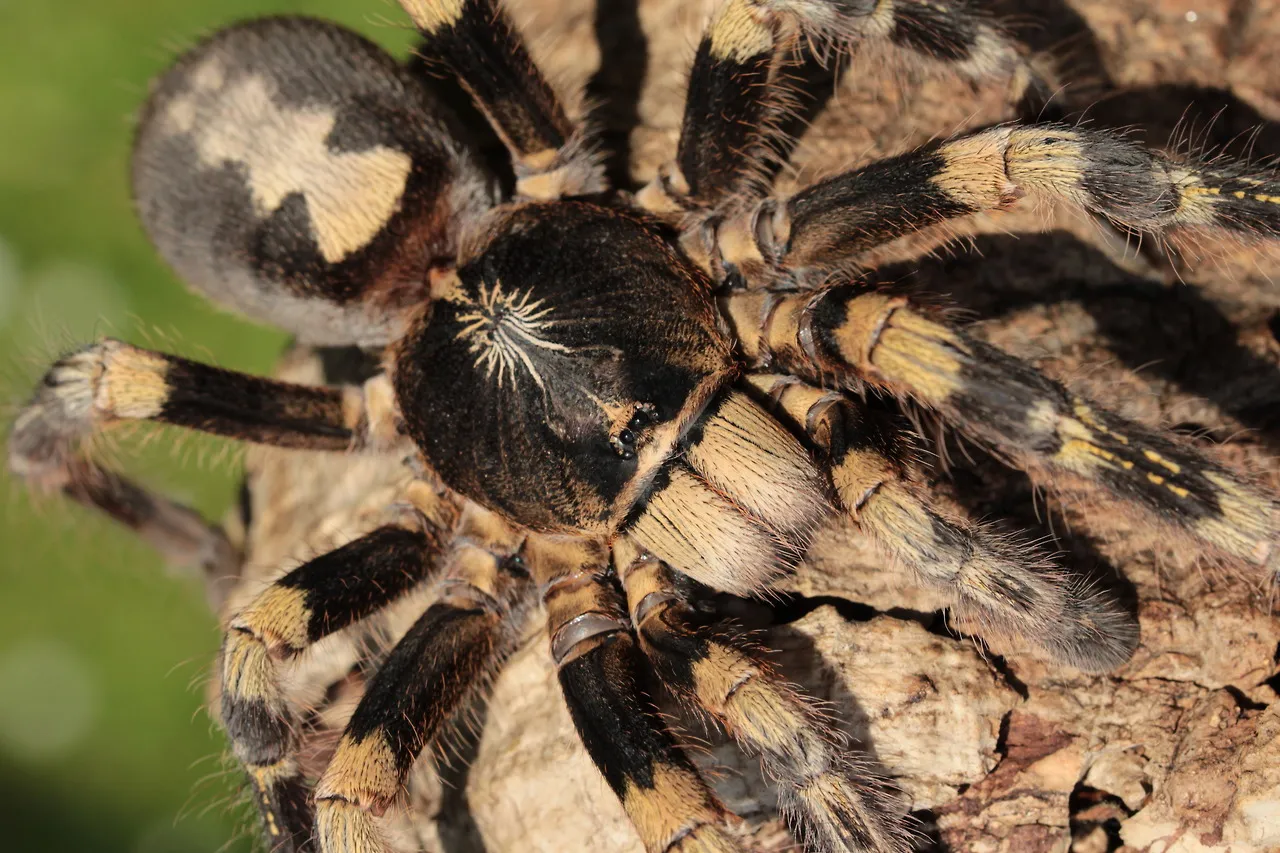
Poecilotheria tarantulas are characterized by their impressive size and striking appearance. They typically exhibit a leg span ranging from 6 to 10 inches, depending on the species, making them among the larger tarantula species. Their bodies are covered in fine hairs, and their coloration varies greatly depending on the species. The presence of distinct patterns and markings adds to their visual appeal, making them a favorite among hobbyists. They possess eight legs, two pedipalps (used for sensing and manipulating prey), and a cephalothorax (fused head and thorax) and an abdomen. These spiders are built for climbing and hunting, with strong legs and claws designed for gripping surfaces.
Size and Appearance
The size of a Poecilotheria tarantula can vary considerably depending on the species. The size is often measured by the leg span, which refers to the distance between the tips of the legs when fully extended. Larger species can reach a leg span of up to 10 inches, while smaller species may be closer to 6 inches. Their body size is also significant, with a robust cephalothorax and abdomen. The overall appearance is often described as impressive and visually stunning. Their size is a significant factor in their appeal, as well as the care they require in terms of enclosure size and feeding needs. Careful observation can reveal the subtle differences in size among different individuals and species, further highlighting their diversity.
Coloration and Markings

One of the most striking features of Poecilotheria tarantulas is their vibrant coloration and intricate markings. Each species exhibits unique patterns and color combinations, often including shades of black, yellow, white, blue, and orange. These patterns serve both as camouflage in their natural habitat and as a means of attracting mates. The coloration is distributed across their carapace, legs, and abdomen, creating visually stunning displays. Some species, such as Poecilotheria metallica, are known for their metallic blue hues, while others, like Poecilotheria regalis, feature distinctive black and yellow stripes. The intricate markings on the legs and carapace add to their visual complexity. Observing these tarantulas is a visual treat, and the diversity in coloration is a significant draw for enthusiasts.
Behavior and Temperament
Poecilotheria tarantulas are generally known for their defensive behavior and speed. They are arboreal and spend most of their time in trees or elevated locations, which contributes to their agility and quick movements. When threatened, they may exhibit a defensive posture, raise their front legs, and flick urticating hairs as a warning. They also possess a potent venom, which can cause significant pain in humans. Therefore, it’s important to handle these tarantulas with caution and respect. Their temperament varies depending on the species and individual personality, with some being more docile than others. However, all Poecilotheria tarantulas should be treated with care.
Handling and Interaction
Handling Poecilotheria tarantulas is generally not recommended, especially for inexperienced keepers. Their speed, defensive nature, and potent venom make them unsuitable for frequent handling. If handling is necessary, it should be done with extreme caution, using a container to coax the spider into. Avoid sudden movements and always be aware of the spider’s location and behavior. It’s crucial to recognize the signs of stress in the spider. Some keepers may choose to handle them occasionally, but it should be done in a controlled environment with appropriate safety measures. The goal is to prioritize the spider’s well-being and minimize stress, while preventing potential bites or injuries to both the spider and the handler. Educating oneself thoroughly before interacting with these tarantulas is a must.
Defensive Mechanisms

Poecilotheria tarantulas possess several defensive mechanisms to protect themselves from threats. Their primary defense is their potent venom, delivered through their fangs. Bites from these tarantulas can be painful and cause localized symptoms. Another defensive behavior involves raising their front legs in a threatening posture, signaling a warning to potential predators. Additionally, they may flick urticating hairs from their abdomen, which can cause skin irritation and discomfort. Their speed and agility also play a role in their defense, as they can quickly retreat to a safe hiding place. Being aware of these defensive mechanisms is essential for any keeper to ensure a safe and respectful interaction.
Care and Keeping
Caring for Poecilotheria tarantulas requires careful attention to their specific needs. These arboreal spiders thrive in a well-maintained enclosure that mimics their natural habitat. Key factors in successful care include providing appropriate temperature and humidity, a suitable substrate, and regular feeding. It is important to research the specific requirements of the species being kept, as needs can vary slightly. The enclosure should provide ample space for climbing, hiding, and web-building. Regular monitoring and maintenance are crucial to ensure the tarantula’s well-being. Understanding the needs of these amazing creatures promotes their health and happiness. It also makes the experience of keeping them a joy.
Enclosure Setup
A proper enclosure setup is crucial for the health and well-being of a Poecilotheria tarantula. A vertical enclosure is essential, as these spiders are arboreal. The enclosure should be large enough to allow for climbing, hiding, and web-building. The minimum enclosure size for an adult is generally 12x12x18 inches, but larger is always better. The enclosure should have a secure lid to prevent escape. The substrate should be a mix of substrate like coco fiber, peat moss, and vermiculite to maintain humidity. Providing ample hiding places is important, such as cork bark or artificial plants, to make the spider feel secure. Adequate ventilation is vital to prevent mold and maintain air quality. A properly set up enclosure replicates their natural habitat and contributes to their physical and psychological well-being.
Temperature and Humidity

Maintaining the correct temperature and humidity levels is critical for the health of a Poecilotheria tarantula. These spiders thrive in a warm and humid environment, mimicking their tropical rainforest habitat. The ideal temperature range is between 75°F to 85°F (24°C to 29°C). Humidity levels should be kept between 65% and 75%, which can be achieved by misting the enclosure regularly. Using a hygrometer to monitor humidity levels is recommended. Proper ventilation is essential, so ensure there is adequate airflow within the enclosure to prevent the buildup of mold and bacteria. Using a heat source, such as a heat mat or ceramic heat emitter, may be necessary to maintain the desired temperature, but ensure it does not directly touch the enclosure.
Feeding and Diet
Feeding Poecilotheria tarantulas involves providing a diet of appropriately sized insects. Crickets, roaches, and mealworms are common food items. The size of the prey should be appropriate for the size of the tarantula; the general rule is to provide food items that are no larger than the spider’s body. Feed juveniles 1-2 times per week, and adults every 1-2 weeks. Remove any uneaten food within 24 hours to prevent mold and the buildup of waste. Providing a shallow water dish with clean water is also crucial, though they may not always drink from it. Ensure that the water dish is kept clean and refilled regularly. It is important to vary the diet and provide a balanced nutrition to meet their nutritional needs.
Breeding
Breeding Poecilotheria tarantulas can be a rewarding but challenging endeavor. It requires careful preparation and knowledge of the species’ specific breeding behaviors. The process typically involves introducing a mature female to a mature male in a controlled environment. Successfully breeding these tarantulas requires an understanding of their mating behaviors, environmental needs, and the care of their offspring. Breeding efforts should only be undertaken by experienced keepers with the necessary knowledge and resources.
Mating Process

The mating process for Poecilotheria tarantulas is complex. Before introduction, the male will construct a sperm web to deposit his sperm. During courtship, the male approaches the female cautiously, tapping her with his legs to signal his intentions. If the female is receptive, she will allow the male to mate with her. The mating process can be brief, and the male should be removed promptly after mating to avoid being eaten by the female. The timing of the introduction and removal is critical to avoid harm to either spider. Careful observation and monitoring of the behavior of both spiders during the process is a must.
Egg Sac and Spiderlings
After mating, the female Poecilotheria tarantula will produce an egg sac, containing the eggs. The female will guard the egg sac until the eggs hatch. The incubation period varies depending on the species and environmental conditions. Once the eggs hatch, the spiderlings, which are miniature versions of the adults, will go through a few molts before dispersing. The spiderlings will require a dedicated setup with proper conditions to grow. Providing appropriate food and care to the spiderlings is crucial for their survival and healthy development. Many breeders provide smaller enclosures for each spiderling, reducing the chances of cannibalism.
Health and Common Issues
Like all animals kept in captivity, Poecilotheria tarantulas can be prone to certain health issues. Understanding these issues and taking preventative measures is crucial for maintaining their well-being. Common problems include parasites, fungal infections, and stress-related illnesses. Regular monitoring of the spider’s behavior, appearance, and feeding habits is vital for early detection of any potential issues. Maintaining appropriate environmental conditions and providing a clean, stress-free environment helps in preventing disease. Consulting with experienced keepers or a veterinarian familiar with arachnids is advisable when problems arise.
Parasites and Diseases

Poecilotheria tarantulas can be susceptible to various parasites and diseases. Common issues include mites, which can infest the spider and cause irritation. Fungal infections can occur if humidity levels are too high or if the enclosure is not properly ventilated. Parasites can be introduced through contaminated food items or substrates. Symptoms of illness in tarantulas can include lethargy, loss of appetite, and unusual behaviors. If any of these signs are observed, it is important to take action promptly. Isolation of the spider may be necessary to prevent the spread of disease. Consulting with a vet specializing in exotic animals can provide a solution. Proper hygiene and quarantine protocols can help prevent or manage these problems effectively.
Preventative Care
Preventative care is essential for maintaining the health and well-being of Poecilotheria tarantulas. This involves providing a clean and well-maintained enclosure, a balanced diet, and appropriate environmental conditions. Regular monitoring of the spider’s appearance and behavior is critical for detecting any signs of illness early. Quarantine new tarantulas before introducing them to existing collections to prevent the spread of disease. Avoid overcrowding and provide ample space for the spider to move around. Regular cleaning of the enclosure and removal of uneaten food is essential for hygiene. Furthermore, keeping the water dish clean prevents contamination. Consulting with experienced keepers or a veterinarian can also provide valuable insights and guidance on preventive care.
In conclusion, Poecilotheria tarantulas are stunning and fascinating creatures that can make rewarding pets for experienced hobbyists. By understanding their unique characteristics, care requirements, and potential health issues, owners can provide these amazing spiders with the best possible environment and ensure their long-term health and happiness. From their striking appearance to their complex behaviors, Poecilotheria tarantulas continue to captivate arachnid enthusiasts around the world. Responsible ownership is key.