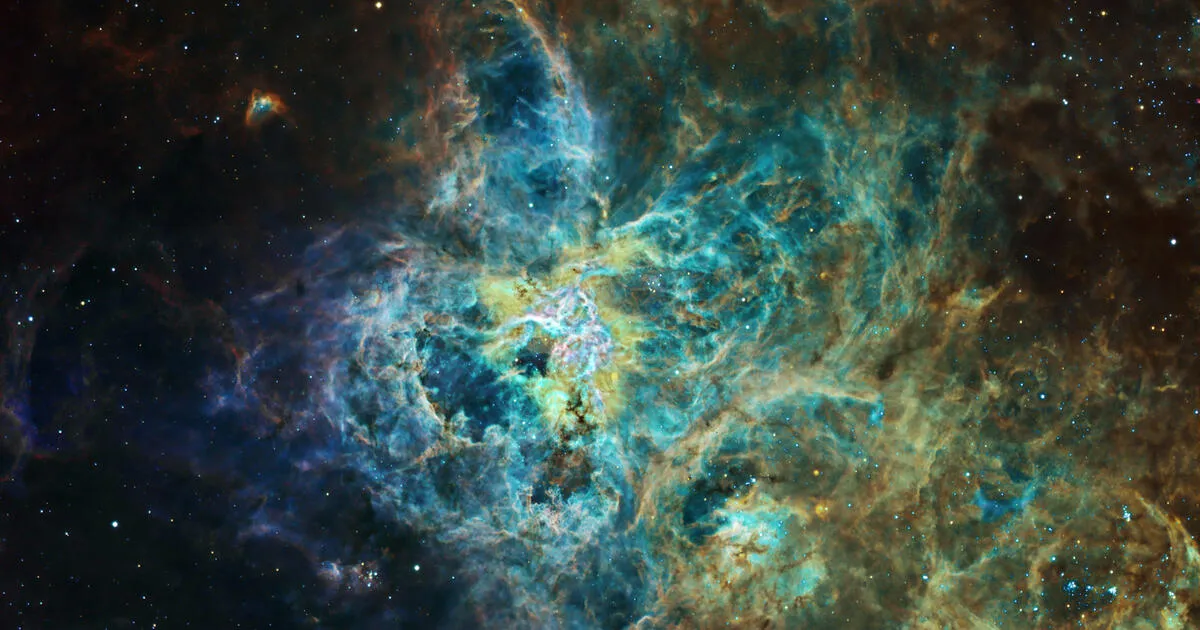
What is the Tarantula Nebula
The Tarantula Nebula, also known as 30 Doradus, is an enormous, star-forming region located in the Large Magellanic Cloud (LMC), a satellite galaxy of the Milky Way. This stunning nebula is one of the most active star-forming regions in the Local Group of galaxies and is a treasure trove for astronomers. Its vast size and the presence of massive stars make it a fascinating object of study, revealing insights into the processes of star formation, stellar evolution, and the lifecycle of galaxies. The Tarantula Nebula is not just a beautiful sight; it’s a celestial laboratory where we can observe the intense activities of star birth and death. Its study helps us understand the evolution of galaxies and the dynamics of the interstellar medium.
Location and Visibility
Understanding the location and visibility of the Tarantula Nebula is crucial for those interested in observing this celestial wonder. Its location in the LMC means it is not visible from all parts of the world. The Southern Hemisphere offers the best view, where it appears as a bright patch in the night sky. However, even from some locations in the Northern Hemisphere, it can be glimpsed, particularly during the winter months. Its relatively close proximity, in astronomical terms, allows for detailed observation through telescopes, revealing the intricate structures and vibrant colors of the nebula.
Where is the Tarantula Nebula located?

The Tarantula Nebula resides in the Large Magellanic Cloud, approximately 160,000 light-years away from Earth. This dwarf galaxy is a neighbor to our Milky Way, making the nebula relatively accessible for observation. The LMC is situated in the constellation Dorado, which is best viewed from the Southern Hemisphere. This distant location provides astronomers with a view of a star-forming region that offers a glimpse into the processes occurring in galaxies beyond our own, making it a crucial object for astrophysical research.
How can you see the Tarantula Nebula?
The Tarantula Nebula can be observed using a telescope, even from light-polluted areas, though a dark sky greatly enhances the experience. Small telescopes will reveal the general shape and brightness, while larger telescopes provide greater detail, revealing the intricate structures within the nebula. Astrophotography allows for the capture of stunning images, highlighting the vibrant colors and complex details. Even with the naked eye under dark skies, the nebula appears as a blurry patch, a testament to its immense size and luminosity. It’s a breathtaking sight, offering a glimpse into the vastness and beauty of the cosmos.
Structure and Composition
The structure and composition of the Tarantula Nebula are complex, reflecting its dynamic nature and intense star-forming activity. It is composed primarily of hydrogen and helium, the most abundant elements in the universe, along with traces of heavier elements. The nebula’s structure is shaped by the powerful stellar winds and radiation from the massive stars within. This creates a dynamic environment with expanding bubbles, filaments, and dense regions where new stars are born. These complex interactions make the Tarantula Nebula a dynamic and fascinating environment for astronomers to study, offering insights into the interplay between stars, gas, and dust.
What is the Tarantula Nebula made of?

The Tarantula Nebula is predominantly composed of ionized hydrogen gas (HII regions), which gives it its characteristic red glow, along with helium and traces of heavier elements like oxygen, nitrogen, and sulfur. The intense ultraviolet radiation from the massive, young stars within the nebula ionizes the surrounding gas, causing it to emit light. Dust particles, composed of heavier elements, are also present, absorbing and scattering light. The interplay between these elements and the energy from the stars creates the visually stunning and complex structure we observe.
What’s inside the Tarantula Nebula?
Inside the Tarantula Nebula lies a bustling stellar nursery, teeming with young, massive stars. The core of the nebula is home to R136, a massive star cluster containing some of the most luminous and massive stars known. These stars emit intense radiation and stellar winds, shaping the nebula’s structure and triggering further star formation. Numerous other star clusters, gas clouds, and dust lanes are also present, forming a complex and dynamic environment. The nebula also hosts a high concentration of supernovae remnants, remnants of massive stars that have exploded, enriching the interstellar medium with heavy elements and shaping the future of star formation.
Star Formation
The Tarantula Nebula is a prime example of a region where stars are actively forming. Gravity causes dense regions of gas and dust to collapse, triggering nuclear fusion and the birth of new stars. The nebula’s environment, with its abundant gas and dust, combined with the influence of massive stars, makes it an ideal setting for star formation. The process is not uniform, as the energetic output of the massive stars also sculpts and shapes the surrounding material, creating pockets where new stars can form and evolve. The study of star formation in the Tarantula Nebula provides crucial insights into how stars and planetary systems are created in other galaxies as well.
How stars are born in the Tarantula Nebula?

Stars are born in the Tarantula Nebula through the gravitational collapse of dense regions within molecular clouds. These clouds, composed of gas and dust, become unstable, and gravity overcomes the internal pressure, leading to a collapse. As the cloud collapses, it heats up, and the core eventually becomes hot enough to ignite nuclear fusion, marking the birth of a star. This process is not isolated, as the formation of one star can trigger the formation of others, leading to the creation of star clusters. The nebula provides the raw materials and environment for stars to form, while the presence of massive stars influences the process through radiation and stellar winds, helping to shape the stars and their surroundings.
The Most Massive Stars
The Tarantula Nebula is renowned for hosting some of the most massive stars in the observable universe. These stars, many times the mass of our Sun, have short but brilliant lives. Their intense energy output and powerful stellar winds significantly affect the nebula’s environment. The study of these massive stars offers insights into stellar evolution, the processes that shape galaxies, and the creation and distribution of elements. Their presence provides an opportunity to witness the lives of some of the most extreme stellar objects, from their formation to their explosive deaths as supernovae. Their impact on the surrounding nebula is profound, influencing its structure and driving ongoing star formation.
What is special about the Tarantula Nebula’s stars?
The stars in the Tarantula Nebula are special due to their extreme mass, luminosity, and rapid evolution. The central star cluster, R136, contains some of the most massive stars known. These stars have powerful stellar winds that carve out the surrounding gas and dust, creating a complex and dynamic environment. Their intense radiation ionizes the surrounding gas, causing the nebula’s brilliant glow. These stars also have short lifespans, ending their lives in spectacular supernova explosions, enriching the interstellar medium with heavy elements and shaping the next generation of stars. The presence of these extreme stars makes the Tarantula Nebula a unique and valuable object for astrophysical research.
Supernova Activity

The Tarantula Nebula is also a hotspot for supernova activity, with numerous supernova remnants scattered throughout. These remnants are the aftermath of massive stars that have reached the end of their lives and exploded. These explosions not only release enormous amounts of energy but also scatter heavy elements synthesized within the stars into the interstellar medium. The study of supernovae and their remnants provides crucial insights into stellar evolution, the distribution of elements in galaxies, and the acceleration of cosmic rays. The high rate of supernova activity in the Tarantula Nebula makes it a dynamic and ever-changing environment, constantly shaped by the violent deaths of massive stars.
Why is the Tarantula Nebula a supernova hotspot?
The Tarantula Nebula is a supernova hotspot due to the high concentration of massive, short-lived stars. These stars have short lifespans and end their lives in supernova explosions. The nebula’s environment, rich in gas and dust, facilitates the formation of these massive stars. As the stars evolve, they consume their nuclear fuel rapidly and eventually collapse under their own gravity, leading to supernovae. This continuous cycle of star formation and supernova explosions makes the Tarantula Nebula a dynamic region, with a high rate of stellar deaths. The study of these supernovae helps scientists better understand stellar evolution, the creation of heavy elements, and the evolution of galaxies.
Research and Significance
The Tarantula Nebula holds significant importance in astronomical research, serving as a laboratory for studying star formation, stellar evolution, and the dynamics of galaxies. The nebula’s close proximity and the abundance of massive stars make it an ideal target for detailed observations. Scientists use telescopes, both ground-based and space-based, to study the nebula’s composition, structure, and the processes occurring within. The research provides data to understand how stars form, evolve, and ultimately meet their fate. The insights gained from the Tarantula Nebula can be applied to study other galaxies, helping to improve understanding of galaxy evolution and the universe.
What is the Tarantula Nebula used for?

The Tarantula Nebula serves as a vital study subject for astronomers. Its active star formation processes provide insights into the formation of stars in environments that are different than that of our galaxy, the Milky Way. Analyzing the nebula allows astronomers to study the properties of the most massive stars, the evolution of these stars, and their influence on the surrounding environment. Scientists use the nebula to refine models of stellar evolution and to understand how galaxies evolve. Furthermore, the supernova remnants in the nebula provide information about the elements that are dispersed into the interstellar medium, enriching it and driving the formation of new stars.
Tarantula Nebula: Future
The future of the Tarantula Nebula is a dynamic story of continual change. Star formation will continue, with new stars being born from the existing gas and dust. The massive stars will continue to evolve, with some eventually meeting their end in supernova explosions, which will further reshape the nebula. The remnants of these explosions will interact with the surrounding gas and dust, potentially triggering new star formation. As time passes, the Tarantula Nebula will continue to evolve, providing astronomers with a continuous opportunity to study a dynamic celestial environment and expanding our understanding of star formation, stellar evolution, and the cosmos. Ongoing observations and future missions will undoubtedly bring new discoveries and deepen our understanding of this fascinating object.
What’s next for the Tarantula Nebula?
The Tarantula Nebula remains a focus of ongoing and future astronomical research. New telescopes and advanced technologies will provide even more detailed observations of the nebula’s structure, composition, and star formation processes. Further studies will refine models of stellar evolution and galaxy dynamics. Upcoming space missions will likely provide a more in-depth look at the nebula, revealing new details about its environment and the stars within. Astronomers will continue to monitor the nebula, charting the births, lives, and deaths of stars and learning how it contributes to our understanding of the universe. The future holds a great deal of exciting discoveries about this remarkable celestial object.