Understanding the Molting Process
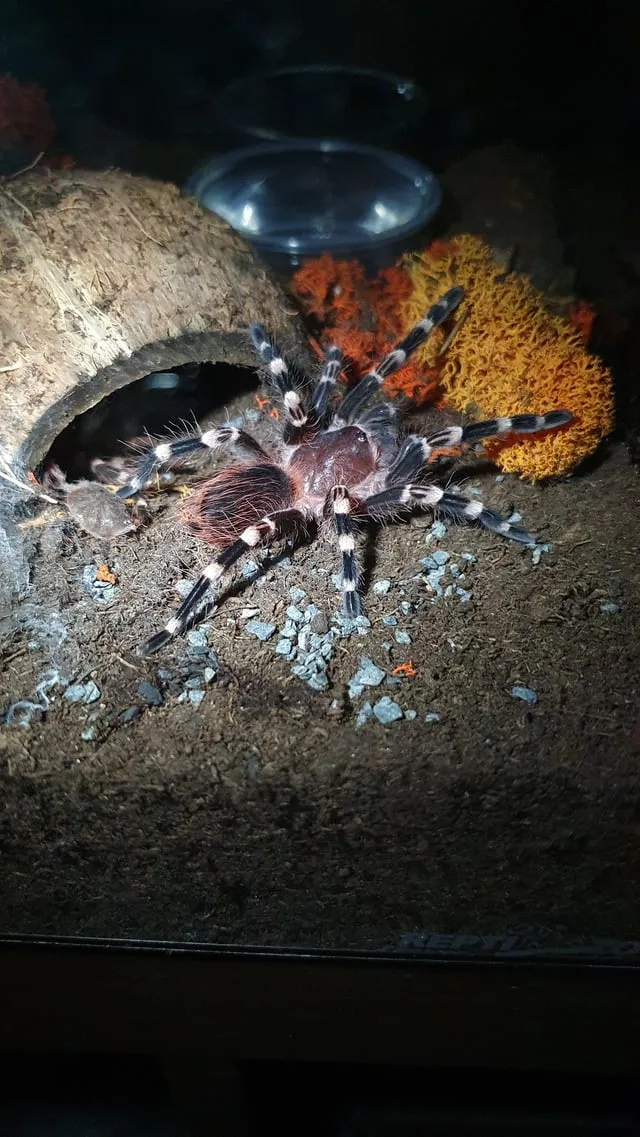
Molting is a natural and essential process for tarantulas, allowing them to grow and replace their exoskeletons. This process involves the tarantula shedding its old outer shell, revealing a new, larger one beneath. During this time, the tarantula is incredibly vulnerable. The duration of molting varies depending on the tarantula’s age, species, and overall health. Younger tarantulas molt more frequently, sometimes every few months, while adults molt less often, perhaps annually or even less frequently. The entire process, from pre-molt behaviors to the final shedding, can take several weeks or months. Recognizing the signs of an impending molt, such as a dull appearance, loss of appetite, and the tarantula spending more time in its burrow, is crucial for providing the best possible care. Understanding the different stages of the molt helps owners support their pet during this sensitive time.
Why Tarantula Legs Get Stuck During Molt
Several factors can lead to a tarantula’s legs getting stuck during molting. This is a serious issue, as it can result in injury, infection, or even death. The most common causes involve environmental conditions and the tarantula’s health. Problems often stem from a lack of humidity, a weak exoskeleton due to poor diet, or stress in the tarantula’s environment. Any of these issues can prevent the tarantula from successfully shedding its old exoskeleton. Understanding these causes is the first step in prevention and ensuring a healthy molt. If a leg gets stuck, immediate action is required to try and help the tarantula, but this should only be attempted by experienced keepers, since injury is very easy at this moment.
Issue 1 Dehydration

Dehydration is a significant threat to a tarantula’s molting process. Insufficient moisture makes it difficult for the tarantula to loosen its old exoskeleton, increasing the risk of legs getting stuck. A dehydrated tarantula will struggle to push through the old shell and shed properly. This issue is often compounded by low humidity levels within the enclosure, as well as the tarantula’s lack of access to fresh water. Dehydration can weaken the tarantula, making it more susceptible to other problems during the molt. Monitoring the humidity and providing fresh water are essential aspects of tarantula care to prevent dehydration-related molting complications. Ensure the water dish is always full, and the substrate is moist but not waterlogged.
How to Provide Proper Humidity
Maintaining appropriate humidity levels is essential for successful molts. Use a hygrometer to monitor the humidity within the enclosure; ideal levels typically range between 60-80%, depending on the species. Regularly misting the enclosure with dechlorinated water, especially during the pre-molt phase, can boost humidity. The substrate type also affects humidity. Coconut fiber and sphagnum moss are excellent choices for retaining moisture. Good ventilation is crucial to prevent mold growth while maintaining humidity. Adjust the ventilation based on your tarantula’s specific needs. Consider adding a shallow water dish that’s always full. The frequency of misting and the specific humidity level will vary depending on your tarantula’s species and the environment in your home. Monitoring and adjusting these factors are key to providing optimal humidity.
Issue 2 Weak Exoskeleton
A weak exoskeleton is another common cause of molting problems. This can be attributed to an inadequate diet, especially a lack of essential nutrients. A malnourished tarantula will not have the resources to build a strong, healthy exoskeleton, making it more likely that its legs will get stuck during the molt. A balanced diet is necessary for the tarantula to have all the resources it needs to go through the process, including the building blocks for the new exoskeleton. This deficiency can result in a soft or malformed new shell. The tarantula’s inability to break free of the old exoskeleton often causes the legs to get stuck. Providing a proper diet is crucial to prevent these issues.
Ensuring a Healthy Diet
A balanced diet is key to a strong exoskeleton and successful molts. Feed your tarantula a variety of appropriately sized insects, such as crickets, roaches, or mealworms. The size of the prey should generally be no larger than the tarantula’s abdomen. Dusting the insects with a calcium and vitamin supplement before feeding is also beneficial, especially for growing tarantulas. Ensure the insects are gut-loaded before feeding them to your tarantula, providing them with nutritious food, so your tarantula gets the most nutritional value. Adjust the feeding schedule based on the tarantula’s age and appetite. Avoid overfeeding, as this can cause other health problems. A well-fed tarantula is more likely to molt successfully and avoid issues like stuck legs.
Issue 3 Environmental Stress
Environmental stress is a significant factor contributing to molting difficulties. Loud noises, vibrations, or frequent disturbances can disrupt the molting process. Tarantulas are sensitive creatures, and stressful conditions can lead to a failed molt. The molting process requires the tarantula to be in a calm, undisturbed environment. Any added stress can disrupt the process. Constant exposure to stress during this vulnerable time can hinder the tarantula’s ability to shed its exoskeleton properly. Stress can also weaken the tarantula and make it more susceptible to other molting complications. Creating a stable and stress-free environment is, therefore, essential.
Creating a Stress-Free Habitat
The enclosure should be placed in a quiet area, away from direct sunlight, loud noises, and vibrations. Avoid excessive handling, especially during the pre-molt phase. Provide ample hiding places, such as cork bark or artificial plants, to help the tarantula feel secure. Ensure the enclosure is appropriately sized for the tarantula’s current size. Avoid overcrowding the enclosure with decorations, which can make it harder for the tarantula to maneuver during the molt. Routine cleaning should also be done carefully. By minimizing disturbances and creating a safe, predictable environment, you can help your tarantula molt successfully and avoid issues.
Issue 4 Improper Molting Posture

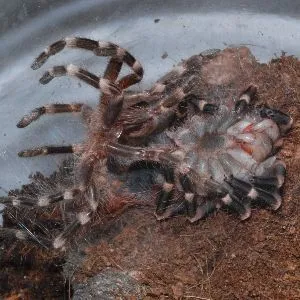
The tarantula’s molting posture is crucial for a successful molt. If the tarantula is not positioned correctly, its legs may get stuck. Tarantulas typically molt on their backs. During this process, they use hydraulic pressure to split their old exoskeleton. An incorrect posture can interfere with this process. It’s important to provide a suitable substrate for the tarantula to grip during the molt. If the substrate is too smooth or slippery, the tarantula may have difficulty positioning itself correctly. Monitoring the tarantula’s molting position and providing appropriate support can improve the chances of a successful molt. Ensure the substrate is deep enough for the tarantula to comfortably flip over and molt. If the posture is incorrect, it is very difficult to fix.
Monitoring Molting Position
Observe your tarantula during pre-molt behaviors and try to anticipate its molting posture. A suitable substrate is also very helpful. Most tarantulas will choose a comfortable position to molt. Avoid disturbing the tarantula if you see it starting the molting process. Do not attempt to intervene unless absolutely necessary, as this can cause injury. If the tarantula seems to be struggling, maintain the right temperature and humidity levels and ensure a stress-free environment. Intervention by experienced keepers may be necessary in some cases, but it should be considered a last resort. With the right care, most tarantulas will be able to molt without any assistance.
Issue 5 Injury during Molt
Injuries during the molting process are, unfortunately, another potential cause for stuck legs. This is a critical time for the tarantula. During a molt, the tarantula’s new exoskeleton is soft. If the tarantula is disturbed or experiences any trauma, this can lead to physical damage. Injuries during a molt can make it difficult for the tarantula to break free of its old exoskeleton. Trying to force the tarantula out of the old exoskeleton can also cause further harm. Any damage can lead to permanent disfigurement or even death. Proper environmental conditions are crucial to minimize risks during the molt. Handling should be avoided. Even gentle handling can cause problems when the exoskeleton is soft.
Minimizing Potential Injuries

Prevention is essential. Avoid handling the tarantula during the pre-molt and molting phases. Make sure the enclosure doesn’t have sharp objects that could cause injury. Ensure the enclosure is in a stable location to prevent accidental falls or disturbances. Maintain the appropriate temperature and humidity levels to support the molting process. If you must intervene, do so very carefully. Use a soft, damp cotton swab to gently assist, but only if you are confident and experienced. Preventative measures are always the best approach to minimize the risk of injuries during the molt.
Preventative Measures for Successful Molts
Prevention is always the best approach to ensure successful molts and avoid problems. By paying close attention to the factors that can hinder the molting process, you can dramatically increase the chances of a healthy molt. This requires consistent care and monitoring. The following steps provide a solid framework to help prevent issues like stuck legs. Implementing these steps helps maintain a thriving, healthy tarantula. A healthy tarantula can molt safely and live a long life.
Step 1 Maintaining Optimal Humidity
Proper humidity levels are paramount. Use a hygrometer to monitor the humidity within the enclosure. Mist the enclosure regularly with dechlorinated water to maintain levels between 60-80%, as needed. The substrate should be slightly moist, and water should always be available in a shallow dish. Ensure proper ventilation to prevent the growth of mold. These practices support the molting process and helps your tarantula shed its exoskeleton properly.
Step 2 Providing a Balanced Diet

Feed your tarantula a varied diet of appropriately sized insects that are dusted with calcium and vitamin supplements, such as crickets or roaches. Ensure the insects are gut-loaded before feeding. Adjust the feeding schedule based on the tarantula’s age and appetite, and avoid overfeeding. Good nutrition will result in a strong exoskeleton, making the molt a lot easier.
Step 3 Minimizing Disturbances
Place the enclosure in a quiet area, away from loud noises, vibrations, and direct sunlight. Avoid handling your tarantula, especially during the pre-molt and molting phases. Provide ample hiding places to reduce stress. Create a stable and predictable environment for your tarantula to give it the best chance of a successful molt.
Step 4 Regular Habitat Checks
Inspect the enclosure regularly for potential hazards and ensure everything is in good condition. Check the water dish daily and change the water. Monitor the tarantula’s behavior for any signs of pre-molt, such as changes in appetite or appearance. Keeping an eye on these things will help you ensure a healthy tarantula that molts successfully.