What is a Tarantula Hawk Wasp
The tarantula hawk wasp is a large, powerful wasp belonging to the family Pompilidae. These impressive insects are renowned for their striking appearance and unique hunting behavior, which involves paralyzing tarantulas to serve as hosts for their larvae. Found in various regions, including the southwestern United States, these wasps are a fascinating subject of study, showcasing complex interactions within their ecosystems. Their potent sting, though rarely inflicted on humans, is famously known for its excruciating pain, adding to the mystique of these creatures. This article will delve into five astonishing facts about these remarkable insects.
Appearance and Identification
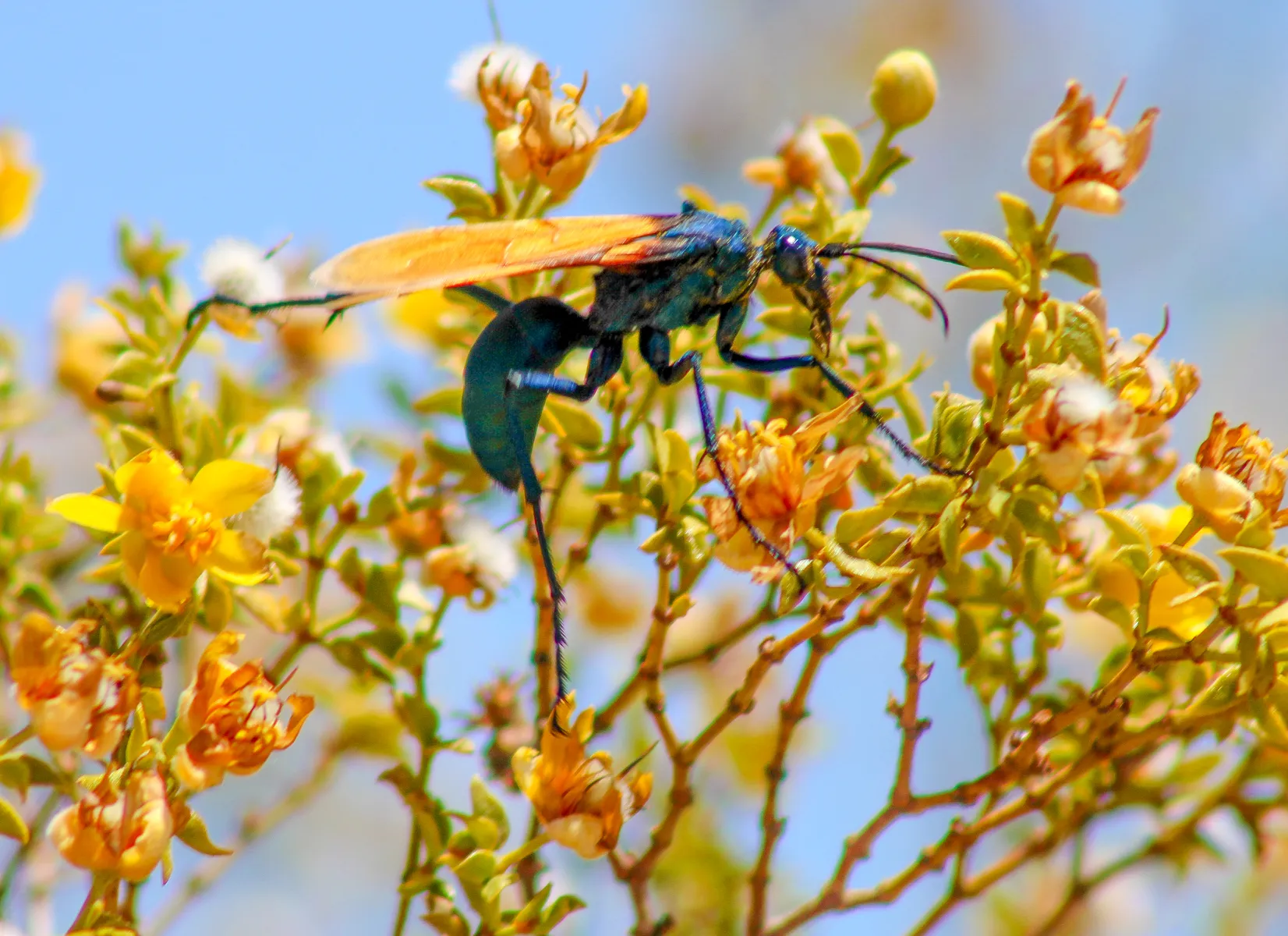
Identifying a tarantula hawk wasp is relatively straightforward due to its distinctive appearance. They typically range from 1 to 2 inches in length, with a robust body. Their coloration is a standout feature, often featuring a deep blue-black body contrasting with bright, rust-colored wings. The wings have a characteristic orange or reddish hue, making them easily recognizable when in flight. They also possess long, spiny legs. Observing these key features – size, body color, and wing color – is the most reliable way to identify these formidable wasps. Pay close attention to the distinct color patterns; they are often a good indication of their identity.
Unique Features and Characteristics

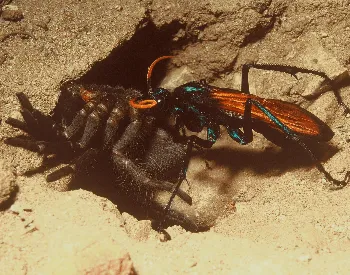
Beyond their visual appeal, tarantula hawk wasps are characterized by unique behavioral traits. They are solitary wasps, meaning they do not live in colonies like bees or social wasps. Their primary diet consists of nectar from flowers, and they are important pollinators in certain ecosystems. The most remarkable feature, however, is their hunting and nesting behavior. The female wasps are the ones responsible for hunting tarantulas. They seek out tarantulas, sting them to paralyze them, and then drag the paralyzed spider to a burrow or nest. There, they lay a single egg on the tarantula’s abdomen. These features showcase an insect perfectly adapted to its role in nature.
The Tarantula Hawk Wasp’s Life Cycle
The life cycle of a tarantula hawk wasp is a fascinating example of parasitoid behavior. It begins with the female wasp paralyzing a tarantula. Once the spider is immobilized, she lays a single egg on the spider’s abdomen. The egg hatches into a larva, which then feeds on the still-living, but paralyzed, tarantula. The larva consumes the spider from the outside in, eventually pupating within the spider’s body. After metamorphosis, the adult wasp emerges from the spider’s body, continuing the cycle. The entire process, from egg to adult, can take several weeks, with the duration varying depending on environmental conditions. This intricate life cycle is truly a marvel of natural engineering.
Mating and Nesting
Mating in tarantula hawk wasps typically occurs after the adult wasps emerge. The males, usually smaller than the females, seek out mates. Once mated, the female is ready to hunt tarantulas and lay eggs. Nesting behavior involves the female wasp digging a burrow or utilizing an existing cavity, where she will prepare the paralyzed tarantula. The selection of a suitable nesting site is critical for the survival of the larva. The wasp’s choice of location is often influenced by factors like soil type and the availability of tarantulas in the surrounding area. The meticulous process underscores their dedication to ensuring the next generation’s survival.
The Hunt for Tarantulas

The hunt is an incredible spectacle of nature. The female tarantula hawk wasp actively searches for tarantulas. Upon finding a suitable tarantula, the wasp engages in a brief but intense battle. The wasp must maneuver to sting the spider in a way that paralyzes it without killing it. This is a crucial skill, as the spider must remain alive to serve as a host for the wasp larva. The wasp’s sting contains a potent venom that serves this purpose. After successfully stinging the tarantula, the wasp drags the paralyzed spider to its nest. The hunt highlights the predatory prowess of these insects, perfectly adapted to their specialized role.
The Sting and Its Effects
The sting of a tarantula hawk wasp is infamous for its excruciating pain. The venom itself is not particularly toxic, but the effect on the nervous system is what causes the extreme discomfort. The pain is described as one of the most painful stings in the insect world, often compared to the feeling of being tasered. The effects of the sting are immediate and intense, causing debilitating pain and temporary paralysis. Fortunately, the sting is not usually life-threatening to humans, but the pain can last for several minutes and is exceptionally difficult to endure. Only the female wasp can sting, and they only do so if provoked or threatened.
The Pain Index
The Schmidt sting pain index, developed by entomologist Justin O. Schmidt, rates insect stings on a scale of 1 to 4, with 4 being the most painful. The tarantula hawk wasp’s sting rates a 4, making it one of the most painful stings documented. The intensity of the pain is often described as a searing, electric shock. The effects are not merely physical; the experience can be mentally overwhelming, causing feelings of panic and distress. While pain tolerance varies from person to person, the consensus is that this sting is exceptionally unpleasant. It’s a powerful testament to the defensive capabilities of this fascinating insect.
Human Interactions and Safety

Human interactions with tarantula hawk wasps are generally rare. These wasps are not aggressive and will only sting if they feel threatened. Therefore, the best way to avoid being stung is to observe them from a safe distance and avoid any actions that could provoke them. If you encounter a tarantula hawk wasp, it is wise to remain calm and avoid sudden movements. Their potent sting serves as a deterrent, and it’s important to treat them with respect. While the pain of the sting is severe, it is crucial to remember that the wasps are primarily focused on tarantulas, not humans. The best practice is always to admire them from afar.
Geographical Distribution and Habitat
Tarantula hawk wasps are primarily found in the southwestern United States and parts of South America. They thrive in warm, arid environments. Their habitat includes deserts, grasslands, and open woodlands. The availability of tarantulas, their primary prey, is a key factor in determining the wasp’s distribution. The specific habitats often include areas with sandy or loamy soil, suitable for nesting. The wasps are well-adapted to the heat and dry conditions of their environment, displaying resilience in these challenging ecosystems. Their habitat is essential for supporting their life cycle.
Where They Live
In the United States, tarantula hawk wasps are most commonly found in states such as Arizona, New Mexico, Texas, and California. Their presence in these regions is closely linked to the distribution of tarantula species. Their range extends into South America. Within these geographical areas, they occupy various habitats, ranging from open desert areas to rocky outcrops. Observing the right environment is key to spotting these wasps. Finding them is often easier during warmer months when they are most active, as they forage and hunt. They tend to be less active during the cooler parts of the day, such as early morning or late evening.
Common Habitats

The common habitats for tarantula hawk wasps are typically those that provide access to both tarantulas and suitable nesting sites. These can include areas with sandy or loamy soil where they can dig burrows. Open grasslands and arid regions with scattered vegetation are also favored habitats. They may also be found in areas with rocky terrain, where tarantulas often seek shelter. The presence of flowering plants is important, as adult wasps feed on nectar. These habitats are essential for providing the resources needed for the wasp’s survival and reproduction, establishing a crucial balance in their ecosystem.
Conservation Status and Threats
The tarantula hawk wasp is not currently listed as endangered or threatened. However, they face certain threats in their natural habitats. Habitat loss and degradation are the primary challenges, particularly due to urbanization, agricultural expansion, and climate change. The decline in tarantula populations, which are their primary food source, can also impact wasp numbers. Although they are resilient, human activities are influencing the ecosystems in which they thrive. Monitoring populations and implementing conservation efforts is necessary to ensure their future, maintaining their role within their ecosystem.
Predators and Threats
Despite their formidable sting, tarantula hawk wasps do face predators and other threats. Birds, such as roadrunners, are known to prey on these wasps. The wasps are also susceptible to parasitic flies, which can lay their eggs on the wasp’s larvae, negatively affecting their development. Habitat destruction, caused by human activities such as deforestation and development, is a significant threat. The impacts of climate change, including extreme weather events and altered temperature patterns, are also potential threats to their survival. Protecting these wasps requires addressing the multifaceted challenges that could harm their population.
Conservation Efforts
Conservation efforts for tarantula hawk wasps involve protecting their natural habitats and mitigating human impact. This includes promoting sustainable land management practices, reducing habitat destruction, and preserving the populations of their prey, the tarantulas. Public awareness campaigns can play a role in educating people about these fascinating insects and their importance in the ecosystem. Further research is needed to better understand the wasp’s population dynamics and the effects of climate change. These conservation strategies, when effectively implemented, help maintain their populations and ensure that these intriguing creatures continue to thrive.