
Size and Appearance
When comparing a tarantula hawk to an Asian giant hornet, the first noticeable difference is their size and overall appearance. Both insects are formidable in their own right, but their physical characteristics provide immediate clues for identification. Understanding these distinctions is crucial for anyone interested in the natural world or concerned about potential encounters.
Tarantula Hawk Size
Tarantula hawks are among the largest wasps, with females often reaching up to 2 inches (5 cm) in length, not including their impressive antennae. They have a robust build, with long legs and a distinct, often iridescent, coloration. Their wings, when spread, can span a significant distance, making them appear even larger in flight. The size alone makes them stand out, even among other large insects.
Asian Giant Hornet Size

Asian giant hornets are also large, but generally a bit smaller than the largest tarantula hawks. The queen can grow up to 2 inches (5 cm) in length, while workers are typically smaller. They have a more streamlined body shape compared to the tarantula hawk. The Asian giant hornet is immediately recognizable because of its distinct head and mandibles. These are designed to cut through the bodies of prey.
Coloration Differences
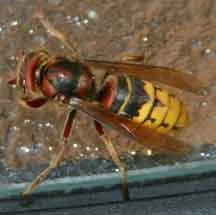
Coloration is another key differentiator. Tarantula hawks typically have a striking, often metallic, blue-black body with orange or reddish wings. This vivid coloration serves as a warning signal. The Asian giant hornet, on the other hand, has a predominantly orange or yellow head, a dark thorax, and black and yellow-banded abdomen. The color patterns help differentiate these two insects and provide visual cues.
Habitat and Geographical Location
The habitats and geographical locations of the tarantula hawk and Asian giant hornet also offer significant differences. These environmental factors play a key role in their survival and how they interact with humans. Understanding where these insects live can help you to avoid them.
Tarantula Hawk Habitat

Tarantula hawks are primarily found in the southwestern United States, including areas of the Sonoran and Mojave Deserts. They prefer arid and semi-arid environments, where their primary prey, tarantulas, are abundant. The tarantula hawk builds its nests in the ground, often near where they can find tarantulas to paralyze and use as hosts for their larvae. They are also found in South America and other regions that are warm.
Asian Giant Hornet Habitat
Asian giant hornets are native to East Asia, including Japan, Korea, and parts of China. They typically inhabit forests, mountains, and low-lying areas. In recent years, they have been detected in North America, particularly in the Pacific Northwest, causing concern among scientists and the public. The hornets nest in underground burrows or cavities in trees. Their presence in new areas can disrupt local ecosystems.
Diet and Feeding Habits
The diets and feeding habits of the tarantula hawk and Asian giant hornet vary considerably, reflecting their different roles in their respective ecosystems. These variations directly influence their behavior, hunting strategies, and impact on their environments.
Tarantula Hawk Diet

Tarantula hawks, as their name suggests, primarily feed on tarantulas. The female wasp hunts tarantulas, paralyzing them with her sting and then dragging them to a burrow, where she lays an egg on the paralyzed spider. The wasp larva then feeds on the tarantula, which provides a sustained food source. Adult tarantula hawks also feed on nectar from flowers, which provides energy for flight and reproduction.
Asian Giant Hornet Diet
Asian giant hornets are voracious predators. Their diet consists primarily of other insects, including bees, wasps, and other hornets. They are known for their attacks on honeybee hives, where they can decimate entire colonies in a matter of hours. They use their powerful mandibles to decapitate their prey and carry the bodies back to their nests to feed their larvae. They also feed on tree sap and other sugary substances.
Sting and Venom
The sting and venom of both the tarantula hawk and Asian giant hornet are significant, but the effects and the way they are used differ. Understanding these aspects is crucial for knowing how to respond if stung.
Tarantula Hawk Sting

The tarantula hawk’s sting is often described as one of the most painful stings in the world. The pain is intense, but the venom is not generally considered medically dangerous to humans. The sting is used to paralyze tarantulas, which the wasp uses to feed its larvae. The pain, while excruciating, is usually short-lived, lasting only a few minutes. Medical treatment is rarely necessary but the sting’s intensity makes it unforgettable.
Asian Giant Hornet Sting
The Asian giant hornet’s sting is also painful and can be more dangerous than a tarantula hawk’s sting, especially if multiple stings occur. Their venom contains a potent blend of chemicals that can cause tissue damage and allergic reactions. Multiple stings can lead to serious medical complications, including kidney failure or even death. The hornets also have a more aggressive behavior when defending their nest, increasing the risk of multiple stings.
Behavior and Temperament
The behaviors and temperaments of the tarantula hawk and Asian giant hornet differ greatly, affecting their interactions with humans and other creatures. Understanding their behavior is key to avoiding encounters and mitigating risks.
Tarantula Hawk Behavior
Tarantula hawks are generally solitary wasps, and they are not aggressive unless provoked. They are not typically interested in humans and will only sting if they feel threatened. Their primary focus is on hunting tarantulas, and they are often seen flying low to the ground in search of their prey. While their sting is infamous for its pain, they are not known to attack unprovoked.
Asian Giant Hornet Behavior
Asian giant hornets can be more aggressive, particularly when defending their nests. They are known for their coordinated attacks, especially on honeybee hives. When disturbed, they can repeatedly sting, injecting larger amounts of venom. Their behavior can pose a significant threat to both humans and other insects, making it important to avoid their nesting sites. They are much more likely to attack in defense of their nest.
In conclusion, while both the tarantula hawk and Asian giant hornet are formidable insects, they differ significantly in size, habitat, diet, sting, and behavior. Understanding these differences is crucial for appreciating their roles in the ecosystem and for protecting yourself from potential harm. Whether it is their size, sting, or habits, these insects are unique in the world.