Understanding the Tarantula Hawk
The tarantula hawk, a formidable wasp, is known for its intimidating size and painful sting. Learning about this insect’s behavior, habitat, and the risks associated with its presence is the first step in effectively removing them from your property. Understanding the basics of the tarantula hawk will help you approach removal and prevention with confidence and safety. This knowledge empowers you to take the right steps to protect yourself, your family, and your pets from potential harm. Proper identification is key before attempting any removal or preventative measures.
What is a Tarantula Hawk
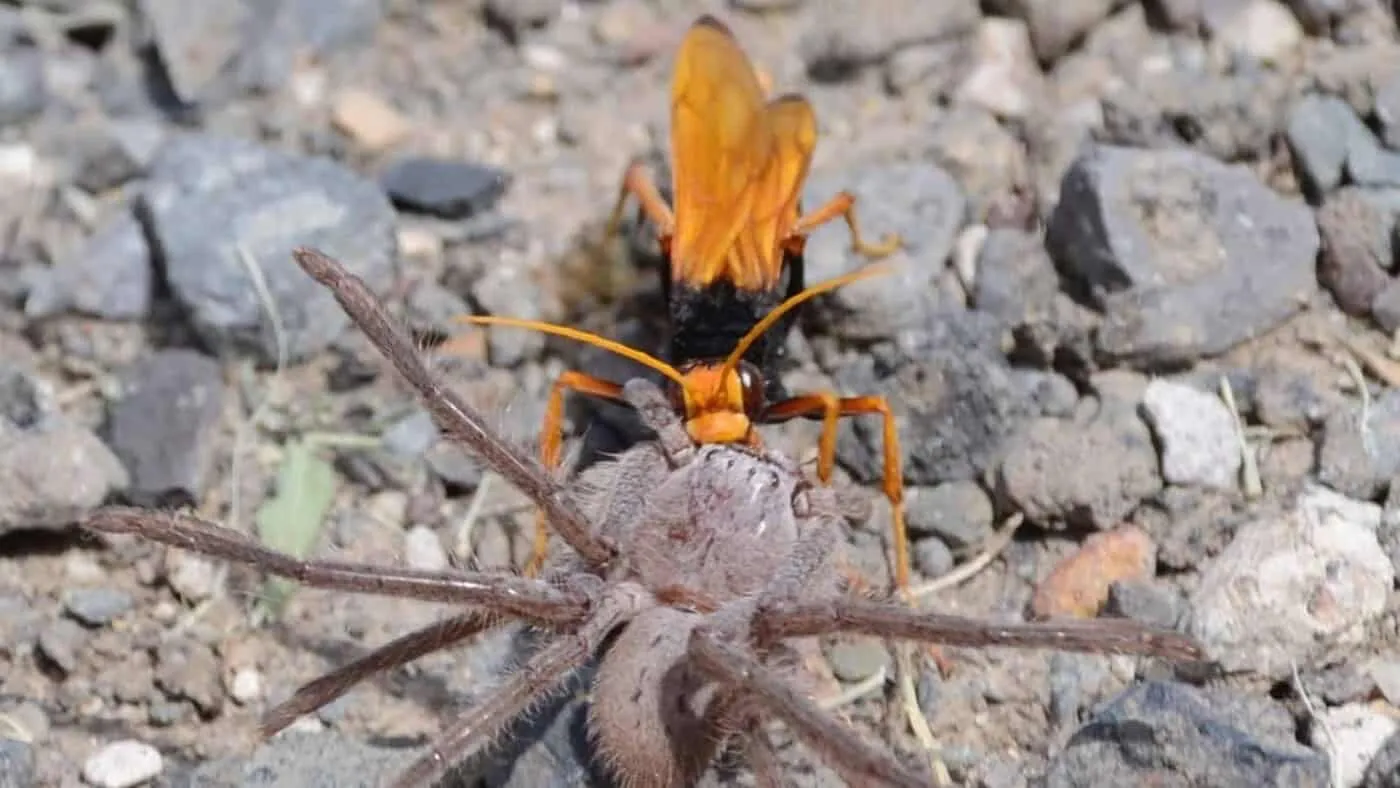
Tarantula hawks are large, striking wasps belonging to the Pompilidae family. They are recognized by their vibrant blue-black bodies and orange or rust-colored wings. These wasps are solitary creatures, with the females being notably larger than the males. Their primary diet consists of nectar, but their predatory behavior towards tarantulas is what truly sets them apart. These wasps are native to various regions of the Americas and are often found in arid and semi-arid environments where tarantulas are prevalent. The tarantula hawk’s lifecycle is fascinating, with the female wasp paralyzing a tarantula, dragging it to a burrow, and laying a single egg on its abdomen. The wasp larva then feeds on the still-living spider.
Where Do Tarantula Hawks Live

Tarantula hawks prefer warm, dry climates and are commonly found in the southwestern United States, Mexico, and parts of South America. They build nests in various locations, including underground burrows, rock crevices, and sometimes in abandoned structures. The presence of tarantulas is a key factor in their habitat preference, as they require these spiders to reproduce. They are also attracted to areas with blooming flowers, as they feed on nectar. Understanding their habitat helps you identify potential areas where they might be present on your property, allowing for targeted prevention and removal strategies. Check areas with sandy or loose soil, where they often dig their burrows, and inspect under rocks or in sheltered spots.
Identifying Tarantula Hawk Behavior
Tarantula hawks are most active during the day, especially in the warmer months. The females are often seen searching for tarantulas, while the males are primarily interested in finding mates. They are not aggressive unless threatened, but their sting is considered one of the most painful in the insect world. They are powerful fliers and can be easily identified by their distinctive wing patterns and flight patterns. Recognizing their behavior allows you to anticipate their movements and take appropriate safety measures. Be cautious when they are near their nests, and avoid sudden movements that might provoke them. Watch for them dragging tarantulas, which is a clear sign that they are in the area.
Why Remove Tarantula Hawks
While tarantula hawks play a role in the ecosystem, their presence near homes and businesses can be problematic. The primary reason for removal is the potential for painful stings, which can be dangerous for those allergic to insect venom. Additionally, their nests can be located in inconvenient or hazardous areas, posing risks to children and pets. Understanding the reasons for removal helps you prioritize your safety and protect your property. Proactive measures are always best to minimize the risks. The intense pain from the sting can also cause significant distress and require medical attention. The presence of tarantula hawks can also create anxiety and fear for some individuals.
The Risks of Tarantula Hawk Stings

The sting of a tarantula hawk is notoriously painful, often described as one of the most excruciating insect stings. The pain is immediate and intense, typically lasting for several minutes. The sting itself is rarely fatal, but the severe pain can lead to secondary injuries if the victim reacts violently. Those with allergies to insect venom may experience more severe reactions, including difficulty breathing, swelling, and dizziness, which require immediate medical attention. The severity of the sting underscores the importance of taking precautions to avoid contact and the need to seek professional help when dealing with tarantula hawks on your property. Always be aware of your surroundings and avoid provoking the wasps.
Potential Damage Tarantula Hawks Cause
Tarantula hawks themselves don’t cause significant structural damage to your home. However, their nesting habits can be a concern. They may build nests in areas that are not ideal, like under patios or in wall voids. This can lead to potential problems, such as disrupting the use of these areas or creating an unsightly appearance. Their hunting behavior might also create an environment of fear, especially if you have children or pets. The wasps’ presence can disrupt outdoor activities and reduce your enjoyment of your property. Therefore, it’s essential to assess the risks and decide if removal is the best option for your safety and peace of mind.
Immediate Safety Measures
If you encounter a tarantula hawk, the first step is to prioritize your safety and avoid any actions that could provoke the insect. This involves staying calm, slowly moving away from the area, and taking precautions to protect yourself from a potential sting. Being prepared for an encounter and knowing how to react will significantly reduce the risk of a painful experience. Never attempt to swat or kill a tarantula hawk, as this can trigger a defensive response and lead to a sting. The following tips will help you stay safe and respond effectively.
Staying Calm and Avoiding Aggravation

The most important step is to remain calm and composed. Avoid sudden movements, loud noises, or any actions that might startle the wasp. Back away slowly and steadily, giving the tarantula hawk plenty of space. Do not attempt to swat or kill the wasp, as this is likely to provoke a sting. If possible, calmly observe the wasp’s behavior from a safe distance to understand its activity and potential nesting locations. If there is a nest nearby, leave the area completely and seek professional assistance. Inform others in the area about the presence of the wasp to prevent them from accidentally disturbing it.
Protective Gear Essentials
If you must approach an area where tarantula hawks are present, wear appropriate protective gear. Long sleeves and pants, along with closed-toe shoes, will help protect your skin from stings. Gloves are essential to protect your hands. A hat with a wide brim or a beekeeper’s hood can provide additional protection for your face and neck. Consider using protective eyewear to shield your eyes. If you are working in an area known to have tarantula hawks, consider covering exposed skin with clothing or wearing appropriate protective gear. These measures are vital to minimize the chance of being stung and protect you from potential reactions.
Expert Tips for Removal
Removing tarantula hawks safely and effectively often requires a combination of professional assistance and proactive measures. While some DIY methods exist, they may not always be the safest or most effective approach. The following tips will provide valuable insights into handling the situation and managing tarantula hawk populations on your property. When in doubt, always consult a professional pest control service. Trying to remove these wasps on your own can lead to serious consequences if not done safely and correctly.
Professional Pest Control Services

The most effective and safest approach to tarantula hawk removal is to hire a professional pest control service. These experts have the knowledge, experience, and equipment to safely and effectively remove the wasps and their nests. They will assess the situation, identify nesting sites, and use appropriate treatments to eliminate the wasps. They also can implement preventative measures to reduce the likelihood of future infestations. Professionals have access to specialized insecticides and application methods that are not available to the general public. They are also equipped with the necessary safety gear and training to minimize risks to themselves and the surrounding environment.
DIY Tarantula Hawk Removal Methods
While professional removal is the most recommended approach, some homeowners may choose to try DIY methods. If you choose to take this approach, it’s essential to proceed with extreme caution and use appropriate protective gear. Common methods include using insecticidal sprays or dusts. However, these products must be used carefully, following the manufacturer’s instructions to avoid harming yourself or the environment. Avoid direct contact with the wasps, and never attempt to remove a nest without proper protection. DIY methods are generally less effective and may only provide temporary relief. Consider the risks involved and weigh them against your comfort level before attempting DIY removal.
Using Insecticides and Repellents
Insecticides can be used to control tarantula hawks, but they must be applied with caution. Choose products specifically designed for wasps and follow the manufacturer’s instructions. The most effective method is to apply the insecticide directly to the nest or entry points. Repellents, such as essential oils, may offer some level of protection by making the area less attractive to the wasps. Always wear protective gear when applying insecticides or repellents. Consider the environmental impact of the products you use and choose those that are less harmful to beneficial insects and other wildlife. Be sure to follow all safety guidelines and consider that many products available to the public are often not as effective as professional-grade solutions.
Habitat Modification to Deter Tarantula Hawks

Making changes to your property’s environment can help reduce the attractiveness of the area to tarantula hawks. This involves removing potential nesting sites and eliminating sources of food and water. Regularly mowing your lawn and removing overgrown vegetation reduces hiding places for both tarantulas and tarantula hawks. Filling in any burrows or holes in the ground can prevent them from building nests. Reducing or eliminating access to standing water can also deter them. Regular maintenance is crucial for keeping your property free of nesting sites. By taking these steps, you can make your property less appealing to tarantula hawks and minimize the risk of an infestation.
Sealing Entry Points and Removing Attractants
Inspect your home for any cracks, crevices, or openings that tarantula hawks might use to enter. Seal these entry points with caulk or other suitable materials. Regularly clean up any food sources that might attract the wasps, such as fallen fruit or spilled pet food. Maintain a clean and tidy yard to reduce potential nesting sites. Removing clutter, such as piles of wood or debris, can also help. By taking these measures, you can limit the wasps’ access to your property and reduce the likelihood of an infestation. Be diligent in inspecting your home regularly for any new points of entry.
Long-Term Prevention Strategies
Preventing tarantula hawks from establishing a presence on your property requires a proactive, long-term approach. This involves creating an environment that is less attractive to these wasps, along with regular inspections and maintenance. The following steps will help you reduce the risk of future infestations and keep your property safe. Prevention is key to avoid future encounters and potential stings. Implementing these strategies will require a long-term commitment. Consistent effort is critical to achieving success in pest control.
Landscaping to Minimize Attraction

Carefully planning your landscaping can help reduce the attractiveness of your property to tarantula hawks. Avoid planting flowers that attract bees and wasps, as these can also attract tarantula hawks. Keep your lawn well-maintained and free of overgrown vegetation, which can provide hiding places for both wasps and their prey. Consider using plants that naturally repel insects, such as certain herbs and flowers. By choosing your landscaping carefully and keeping your yard tidy, you can create an environment that is less hospitable to tarantula hawks and other pests. Regularly inspect your yard and landscaping to assess for any changes that need to be made.
Regular Inspections and Maintenance
Regularly inspect your property for signs of tarantula hawks, nests, or any potential entry points. These inspections should be done at least once a month, or more frequently during peak activity seasons. Maintain your property by mowing your lawn, removing debris, and filling any holes or burrows in the ground. Seal any cracks or crevices in your home’s foundation or walls. By making inspections and maintenance a regular part of your property care routine, you can quickly identify and address any potential problems before they escalate. If you see any unusual activity, contact a professional pest control service immediately.
When to Call a Professional
Knowing when to seek professional help is crucial. While some preventative measures can be taken on your own, there are situations where professional intervention is the most appropriate and safest course of action. Do not hesitate to contact a qualified pest control service for assistance. Professional assistance ensures a safe and effective approach. The pros have the knowledge and equipment needed to deal with dangerous pests.
Signs of a Tarantula Hawk Infestation
Several signs may indicate a tarantula hawk infestation. Frequent sightings of these large wasps on your property are an obvious indicator. The presence of nests, particularly in areas frequented by humans or pets, is another cause for concern. If you find paralyzed tarantulas, it’s likely tarantula hawks are nearby. Seeing tarantula hawks dragging tarantulas is another strong indicator of their presence. Any of these signs should prompt you to take immediate action. The earlier you address an infestation, the easier it will be to manage it. If you suspect an infestation, do not attempt to handle it yourself; seek professional help.
Benefits of Professional Removal
Professional pest control services offer numerous benefits when dealing with tarantula hawks. They have the expertise and equipment to safely and effectively remove the wasps and their nests. They can accurately identify the species and implement targeted control measures. Professionals can also provide ongoing maintenance and prevention strategies to minimize the risk of future infestations. They can address the problem without endangering yourself or your family. They also can offer peace of mind. Ultimately, choosing a professional is a smart decision to keep your property safe and your mind at ease.