What is Hair Loss in Tarantulas?
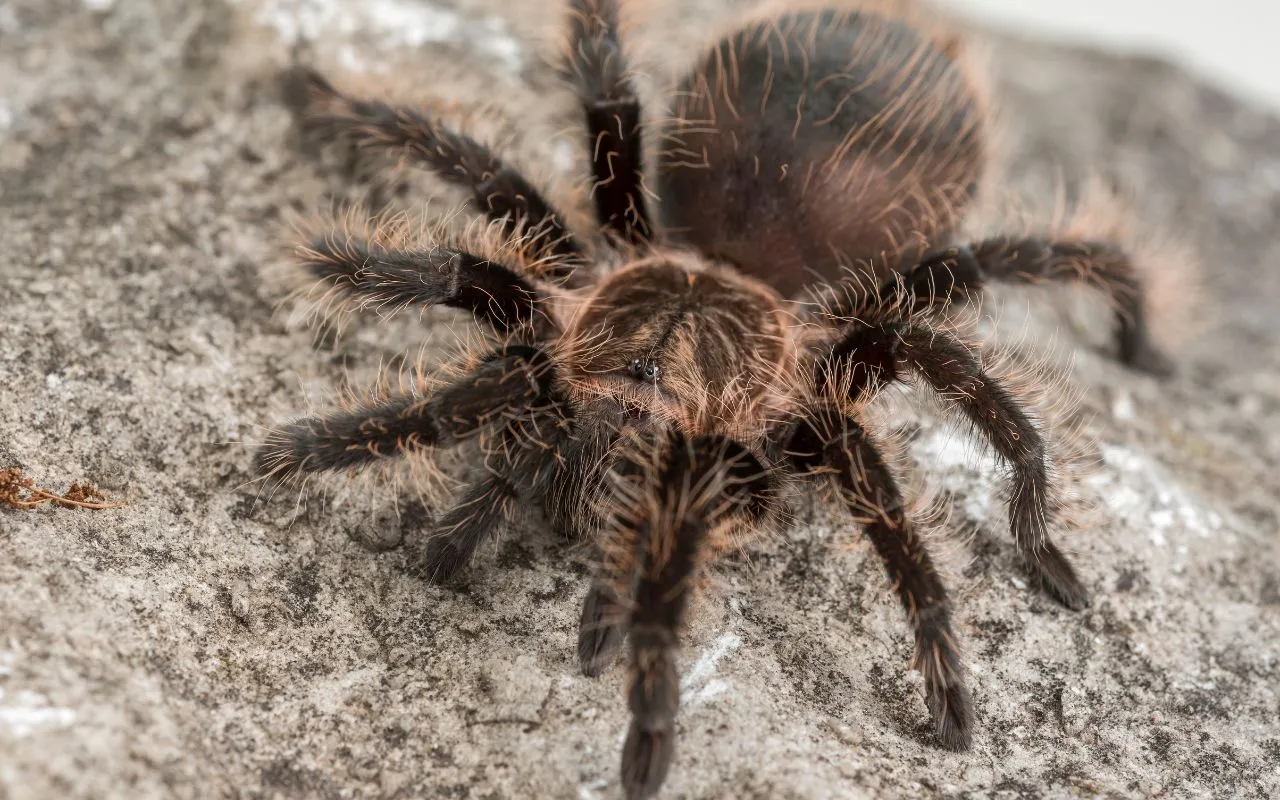
Tarantulas, unlike mammals, don’t have hair in the traditional sense. Instead, they possess specialized hairs called urticating hairs. These hairs serve as a defense mechanism against predators, causing irritation upon contact. Hair loss, therefore, refers to the shedding of these urticating hairs, which is a common occurrence in tarantulas and can be attributed to various factors. Observing hair loss can be concerning for tarantula owners, and understanding the underlying causes is crucial for ensuring your pet’s well-being. Recognizing normal shedding patterns versus excessive hair loss is the first step in proper tarantula care. Keep in mind that some hair loss is completely normal as tarantulas utilize these hairs for various purposes and is often not a sign of a health issue.
The Role of Urticating Hairs
Urticating hairs play a vital role in a tarantula’s defense strategy. Located primarily on the abdomen, these hairs are barbed and can be flicked off by the tarantula towards a perceived threat. Upon contact with skin or mucous membranes, these hairs embed themselves, causing intense itching and irritation. The severity of the reaction varies depending on the species of tarantula and the sensitivity of the individual. Some species have more potent urticating hairs than others. Urticating hairs are a primary line of defense for tarantulas, helping them to deter predators in the wild. It is important to minimize the risk of irritation to yourself and to understand that the tarantula uses these hairs to protect itself.
Why Do Tarantulas Lose Hair? Top 5 Reasons

Hair loss in tarantulas can be caused by a variety of factors, ranging from natural processes to environmental issues. Understanding the common causes can help you identify and address potential problems early on. Many reasons for hair loss are normal, but excessive hair loss requires some further investigation. Being able to identify the reasons why your tarantula is losing hair will help you provide it with the best possible care. Here are the top 5 reasons why your tarantula might be losing hair.
Reason 1 Molting Cycle
Molting is a natural process in which tarantulas shed their exoskeletons to grow. During molting, tarantulas may lose some urticating hairs. This is a normal part of the process and shouldn’t be a cause for concern. The new exoskeleton is formed underneath the old one, and the tarantula will regrow its hairs after molting. Hair loss during molting is usually localized to the abdomen and may appear as a bald patch. Ensure that you provide the right environment, including proper humidity and no disturbances, during the molting cycle. Molting frequency varies with age; younger tarantulas molt more often than older ones.
Understanding the Molting Process
The molting process involves the tarantula creating a new exoskeleton underneath its old one. It then splits the old exoskeleton and emerges, leaving the old one behind. Before molting, tarantulas often stop eating and may become less active. They may also flip onto their backs. After molting, the new exoskeleton is soft and vulnerable, so tarantulas need time to harden. Providing a safe and undisturbed environment during this period is crucial for their survival. Molting is an essential process for growth and health, and some hair loss is a normal part of it. It is critical to avoid handling your tarantula during this sensitive time.
Reason 2 Stress and Handling

Stress can cause tarantulas to flick their urticating hairs as a defensive response. Frequent handling or a stressful environment can lead to excessive hair loss. Tarantulas are generally not fond of being handled. While some tarantulas are more tolerant than others, handling can still cause stress. It’s best to minimize handling to avoid causing unnecessary stress and subsequent hair loss. A stressful environment may include loud noises, bright lights, or a lack of suitable hiding places. Providing a calm and enriching environment is vital for the well-being of your tarantula.
Identifying Stress in Your Tarantula
Signs of stress in tarantulas include flicking urticating hairs, hiding excessively, loss of appetite, and erratic behavior. Observe your tarantula’s behavior closely to identify any signs of stress. A tarantula that is constantly hiding may be experiencing stress. Another sign of stress can be changes in its feeding habits. If your tarantula stops eating or eats less than usual, this could be a sign of stress. Environmental factors can also trigger stress. The closer you watch your tarantula, the more readily you will be able to notice changes in its behavior and know whether to take action to alleviate the stress. Reducing stress levels in your tarantula is crucial for its overall health and well-being.
Safe Handling Practices
If handling is necessary, do so with extreme care and avoid sudden movements. Handling should be kept to a minimum. Always wash your hands before and after handling your tarantula. Consider using a long, soft brush to gently guide the tarantula if necessary. Be aware of the tarantula’s posture and behavior. If the tarantula raises its front legs or flicks its urticating hairs, it’s a sign it’s feeling threatened. Never try to grab or restrain the tarantula. If you notice excessive hair loss, consider reducing or eliminating handling altogether. Always provide a secure and comfortable environment to minimize stress.
Reason 3 Environmental Issues

Improper environmental conditions, such as incorrect humidity levels or unsuitable substrate, can also contribute to hair loss. Maintaining the correct humidity and temperature levels is essential for your tarantula’s health. An environment that is too dry can cause the tarantula’s exoskeleton to become brittle, leading to hair loss. Substrate that is too dry can also affect the tarantula’s ability to molt properly. Ensure the enclosure is large enough to accommodate the tarantula and its needs. Regularly monitor the enclosure’s conditions using a hygrometer and thermometer. Make necessary adjustments to ensure your tarantula thrives in its environment.
Improper Humidity Levels
Most tarantulas require specific humidity levels to thrive. Too low humidity can cause dehydration and affect molting. Use a hygrometer to monitor humidity levels. Adjust the humidity by misting the enclosure with water or using a water dish. The specific humidity requirements vary by species. Research the specific needs of your tarantula species and adjust the humidity accordingly. Humidity levels that are too high can also cause problems, such as mold growth. Regularly check the enclosure for signs of mold, and make adjustments to humidity and ventilation as necessary. The right humidity levels are essential for tarantula health.
Substrate Considerations
The substrate, or bedding, in your tarantula’s enclosure plays a crucial role in maintaining proper humidity levels. Choose a substrate that is appropriate for your tarantula’s species. Popular substrate options include coconut fiber, peat moss, and vermiculite. Ensure the substrate is clean and free of any harmful chemicals or additives. The depth of the substrate should be sufficient for the tarantula to burrow, if applicable. Regular cleaning and replacement of the substrate are essential to maintain a healthy environment. Replace the substrate when it becomes soiled or moldy, or every few months. The right substrate will help with humidity, which is critical for a healthy tarantula.
Reason 4 Parasites and Mites

Parasites and mites can infest tarantulas, leading to various health problems, including hair loss. Mites are tiny, often red or brown, arachnids that feed on tarantulas and their bodily fluids. Parasites and mites can cause considerable irritation, leading the tarantula to flick off its urticating hairs or rub against surfaces in an attempt to get rid of them. Regularly inspect your tarantula and its enclosure for any signs of parasites or mites. Early detection and treatment are crucial to prevent severe infestations and health complications. Prevention is always better than cure. If you suspect a parasite or mite infestation, consult with a veterinarian or a tarantula specialist for appropriate treatment options.
Identifying Mite Infestations
Mite infestations are often visible to the naked eye. Look for small, moving specks on your tarantula’s body, especially around the joints, book lungs, and fangs. Mites can also be present in the substrate. Infested tarantulas may exhibit unusual behaviors, such as excessive grooming or rubbing against the enclosure walls. Hair loss, accompanied by other symptoms, could indicate a mite infestation. If you notice any signs of mites, immediately isolate the affected tarantula to prevent the spread of the infestation. Seek advice from a veterinarian or experienced tarantula keeper for diagnosis and treatment.
Preventative Measures
Preventing mite infestations involves maintaining a clean and healthy environment. Regularly clean and disinfect the enclosure, including all decorations and substrate. Quarantine new tarantulas before introducing them to your existing collection. Inspect any new items, such as plants or decorations, before placing them in the enclosure. Avoid overfeeding your tarantula, as uneaten food can attract mites. Provide a well-ventilated enclosure to prevent excessive humidity, which can encourage mite growth. Good hygiene and a clean environment are crucial to protect your tarantula from parasites and mites. Regularly inspect your tarantula to spot any problems early.
Reason 5 Ageing

As tarantulas age, they may naturally experience some hair loss. Older tarantulas tend to molt less frequently, and their overall health may gradually decline. Hair loss in older tarantulas is often a sign of the natural aging process. While this is a normal part of aging, it’s still important to ensure the tarantula’s comfort. Provide an enriched environment to improve their quality of life. Older tarantulas may also become less active and eat less. They may also need more specialized care to manage their health. Monitor the tarantula closely and adjust its care as needed.
Signs of Age-Related Hair Loss
Age-related hair loss typically appears as a gradual thinning of the urticating hairs on the abdomen. The bald patch may become more prominent over time. The tarantula may also show other signs of aging, such as reduced activity and a slower metabolism. Keep a close eye on the tarantula. If you notice unusual behavior patterns or health problems, be sure to consult a veterinarian who is knowledgeable about tarantulas. While some hair loss is normal, excessive hair loss or other signs of illness could indicate a different problem. Provide a calm environment to help your tarantula live comfortably in its senior years.
Caring for Older Tarantulas
Caring for an older tarantula requires providing a comfortable and supportive environment. Maintain appropriate temperature and humidity levels. Provide a shallow water dish to ensure easy access to water. Offer a diet appropriate for its age and activity level. Reduce handling and minimize disturbances. Provide a secure hiding place for the tarantula to retreat to. Regular health check-ups are recommended. Make any changes to the environment and diet as needed. With proper care, older tarantulas can still live a long and fulfilling life. Provide your older tarantula with the best possible care.
How to Manage Tarantula Hair Loss
Managing tarantula hair loss involves identifying and addressing the underlying causes. By understanding the various factors that contribute to hair loss, you can take proactive steps to support your tarantula’s health and well-being. Some measures are preventative. If you suspect a health issue, the best course of action is to seek expert advice. Here are a few key steps to help manage hair loss in your tarantula.
Creating an Ideal Habitat
Ensure your tarantula’s enclosure is set up properly, providing a suitable environment for your tarantula. Maintain the correct temperature and humidity levels for the species. Choose an appropriate substrate. The enclosure should be large enough for the tarantula to move around comfortably, with adequate space for hiding. Provide appropriate decorations and hiding places to reduce stress. Regularly clean and maintain the enclosure to prevent the buildup of waste. Make sure the enclosure is secure to prevent escapes. An ideal habitat is the first step to ensuring your tarantula’s good health.
Regular Health Checks
Regularly observe your tarantula for any signs of illness or distress. Look for changes in behavior, appetite, or activity levels. Examine the tarantula’s body for any physical abnormalities, such as lesions, swelling, or parasites. Check the enclosure for any signs of mites or mold. If you notice any unusual symptoms or if you have any concerns, seek professional veterinary advice. Early detection of problems can improve the chances of successful treatment. Schedule regular check-ups to make sure your tarantula is in good health. Maintaining close observation is vital for the health of your tarantula.
When to Consult a Vet

If you notice excessive hair loss, especially if accompanied by other symptoms like loss of appetite, lethargy, or unusual behavior, it’s time to consult a veterinarian specializing in exotic pets. A veterinarian can diagnose the underlying cause and recommend the appropriate treatment. Don’t hesitate to seek professional help. Early intervention can prevent further complications. Provide your veterinarian with as much information as possible about your tarantula’s environment, diet, and behavior. A vet can perform tests to identify potential problems, such as parasite infestations or bacterial infections. Follow the vet’s recommendations carefully. The health of your tarantula is important, and sometimes professional help is needed.
Conclusion
Tarantula hair loss can stem from a range of factors, including molting, stress, environmental issues, parasites, and aging. By understanding these causes and implementing appropriate care measures, you can ensure your tarantula’s health and well-being. Regular observation, maintaining a suitable environment, and seeking veterinary advice when necessary are essential for keeping your tarantula happy and healthy. With proper care, your tarantula can thrive and live a long, fulfilling life. Take proactive steps to address the underlying causes, and your tarantula will be healthier as a result. Being a responsible owner is the best way to ensure your tarantula’s well-being.