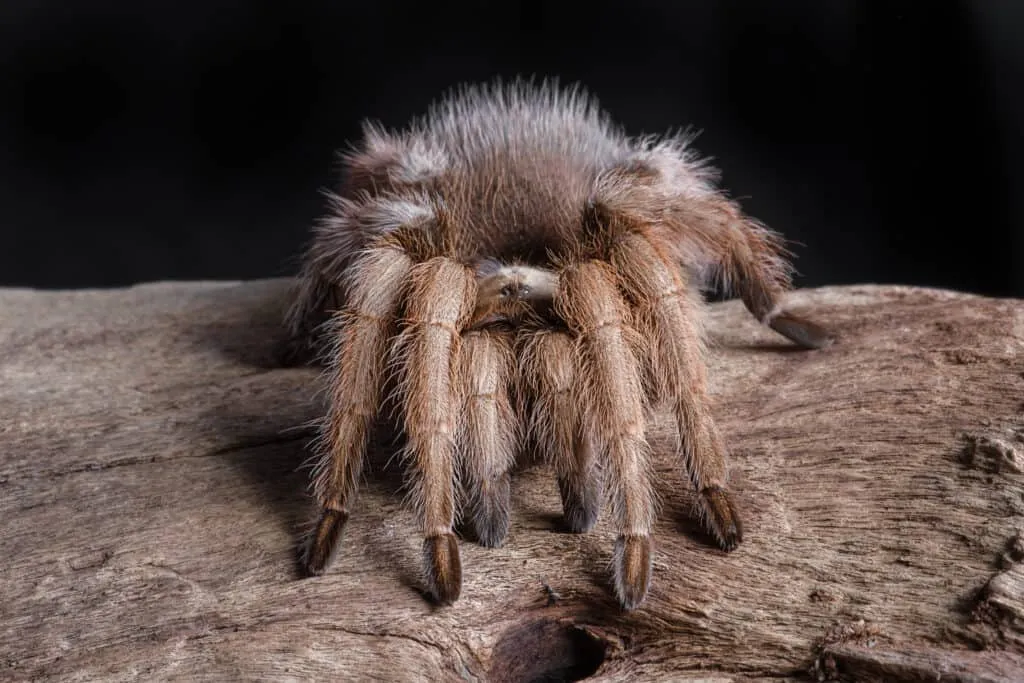
What is a Tarantula Habitat
Tarantulas, with their imposing size and intriguing behaviors, captivate the interest of many. Understanding where these fascinating creatures live is crucial to appreciating their survival strategies and the diversity of the environments they inhabit. Tarantulas are not just found in one type of habitat; rather, they have adapted to a variety of settings across the globe. Their habitats influence everything from their physical characteristics, like coloration and size, to their behaviors, such as hunting and burrowing. The term “habitat” refers to the natural environment where a species lives, encompassing the physical and biological resources necessary for survival including food, water, shelter, and space. For tarantulas, these habitats range from arid deserts to humid rainforests, each presenting unique challenges and opportunities for these impressive arachnids. Knowing the environment can also help in respecting the species.
Burrows and Webs
Many tarantulas are burrowers, spending a significant portion of their lives underground. These burrows serve multiple purposes, providing shelter from predators, regulating temperature and humidity, and offering a safe space for molting and raising young. The construction and maintenance of burrows are vital behaviors for many tarantula species, reflecting their adaptations to specific environmental conditions. Others are web-makers, using silk to create shelters and traps. These webs can range from simple, shallow retreats to more elaborate structures depending on the species and habitat. These structures are important to their survival and way of living.
Burrowing Behavior

Burrowing tarantulas exhibit a range of behaviors related to burrow construction. They typically use their fangs and pedipalps to dig and excavate soil, creating tunnels and chambers. The depth and complexity of these burrows vary depending on the species and the nature of the soil, with some tarantulas constructing deep, multi-chambered systems. The construction of the burrows can take days or even weeks, this process is also very fascinating. They also reinforce the burrow walls with silk, providing stability and preventing collapse. The entrance to the burrow may be camouflaged with leaves, twigs, or other debris, further protecting the tarantula from predators and the elements. They have a variety of construction methods.
Web-Making
Some tarantula species are known for their web-making abilities, though not to the same extent as many other spider families. They use silk to create retreats, trap prey, and secure their burrows. The structure of the web varies among species, ranging from simple, funnel-shaped retreats to more complex, sheet-like webs. The silk is produced by spinnerets located at the end of the abdomen and is used to anchor the burrow, create trip lines to detect prey, and line the walls of their habitat. In arboreal tarantulas, webs may also be used to create nests in trees. Some tarantulas also use silk to create egg sacs, protecting their eggs until they hatch.
Terrestrial Habitats
Terrestrial tarantulas primarily inhabit the ground, where they build burrows or find shelter in natural crevices. These habitats are diverse, ranging from deserts and grasslands to tropical forests. The specific environmental conditions of these habitats, such as temperature, humidity, and the availability of prey, significantly influence the behavior and adaptations of tarantulas. These types of habitats are ideal for their development and survival, allowing them to grow and thrive.
Deserts

In desert environments, tarantulas face extreme temperatures and limited water availability. They adapt by burrowing deep into the soil to escape the heat and conserve moisture. They are typically nocturnal, emerging to hunt under the cover of darkness when temperatures are cooler. Their coloration often blends with the sandy or rocky terrain, providing camouflage from predators and prey alike. These tarantulas have developed specialized behaviors and physiological adaptations to survive the harsh conditions of the desert, these are interesting facts.
Grasslands
Grasslands offer a different set of challenges and opportunities. Tarantulas in these habitats often construct burrows in the soil, sometimes lining them with silk for added stability. The presence of dense vegetation provides cover, helping them to ambush prey and avoid predators. Grassland tarantulas may also be active during the day, taking advantage of the abundance of insect prey. They blend well with the colors of the grass, which helps them in their way of life. They have adapted to the environment over time.
Tropical Rainforests
Tropical rainforests provide a warm and humid environment, with an abundance of prey. In these habitats, tarantulas may be found on the ground, in tree hollows, or under the bark of trees. The high humidity levels reduce the need for water conservation, while the dense vegetation offers ample opportunities for camouflage and hunting. Some rainforest tarantulas exhibit vibrant coloration, possibly as a warning to predators, or for camouflage, depending on the species. The abundance of resources in the rainforest allows for a diverse tarantula population. The high humidity and the temperature are ideal for their life.
Arboreal Habitats

Arboreal tarantulas, as the name suggests, live in trees. They are adapted to climbing, with specialized claws on their feet and a lighter build compared to terrestrial species. They often construct webs in the branches of trees or under the bark, and they may also take advantage of existing cavities. Arboreal tarantulas are typically ambush predators, waiting for prey to come within striking distance. Their arboreal lifestyle provides them with a different perspective on the world, they are generally very fascinating.
Adaptations to Habitat
Tarantulas have developed remarkable adaptations to thrive in their diverse habitats. These adaptations include physical characteristics, such as coloration and body size, as well as behavioral traits, such as burrowing and hunting strategies. The specific adaptations of a tarantula species are closely linked to the environmental challenges and opportunities presented by its habitat, demonstrating the power of natural selection. The evolution of these adaptations has enabled tarantulas to colonize a wide range of environments across the globe. They have adjusted to the environment.
Camouflage and Coloration
Camouflage is a crucial adaptation for many tarantulas, helping them to avoid predators and ambush prey. Their coloration often matches the surrounding environment, such as the sandy or rocky terrain of deserts or the bark of trees in forests. Some species have intricate patterns that further enhance their camouflage capabilities. The ability to blend seamlessly with their surroundings is a key factor in their survival. Coloration can also play a role in mate selection and warning signals, contributing to the tarantula’s overall success.
Venom and Defense

Tarantulas possess venom, which they use to subdue prey. The venom is injected through their fangs and is typically not lethal to humans, although it can cause localized pain and swelling. In addition to venom, tarantulas have other defensive mechanisms, such as urticating hairs. These hairs are barbed and can be flicked off the abdomen to irritate potential predators. These defense strategies are crucial for protection against predators and other threats in their habitat. Some tarantulas will also strike a defensive pose when threatened.
Top 5 Fascinating Facts
Fact 1 Habitat Diversity
Tarantulas are found across a wide range of habitats, from deserts and grasslands to rainforests. This adaptability is a testament to their evolutionary success and their ability to exploit diverse ecological niches. Their habitats are very interesting and they’re always changing, which makes it all more fascinating. These tarantulas are known for their unique environments.
Fact 2 Nocturnal Activity

Many tarantula species are nocturnal, emerging to hunt under the cover of darkness. This behavior helps them avoid predators and conserve moisture, especially in arid environments. Being nocturnal is a successful way of living for tarantulas and has helped them thrive and evolve in their natural habitats. The night is their time to hunt and roam the lands.
Fact 3 Burrow Construction
Burrowing tarantulas are master architects, constructing elaborate underground homes. These burrows provide shelter from the elements and a safe space for molting and raising young. Burrow construction is a fascinating behavior that highlights their adaptability and resourcefulness. They have a unique method to make these burrows.
Fact 4 Molting
Tarantulas molt, shedding their exoskeletons to grow. This process, called ecdysis, is a vulnerable time for them, and they often retreat to their burrows during molting. Molting is a necessary part of their growth and a sign of a healthy tarantula. It takes a lot of energy and effort for them.
Fact 5 Lifespan

Tarantulas can live for many years, with some females living for over 20 years. Their long lifespans contribute to their success as a species. Their way of life is very interesting and helps them to live long lives.