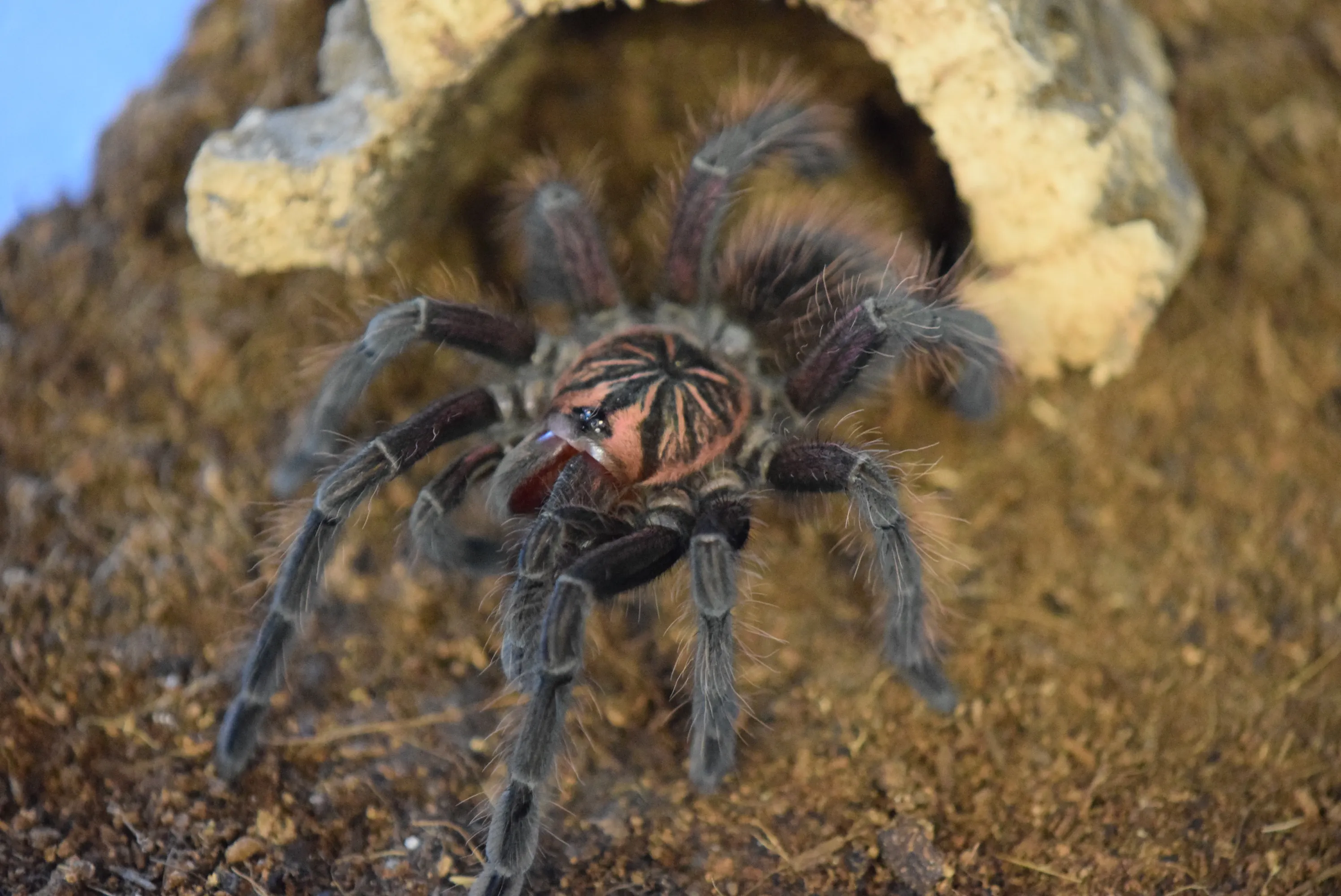
Tarantula Growth Top 5 Facts
Tarantulas, with their captivating presence and diverse species, have become popular pets for enthusiasts worldwide. Their life cycle, particularly their growth, is a fascinating aspect that intrigues many. Understanding the factors that influence a tarantula’s development, from its initial spiderling stage to adulthood, is crucial for any tarantula keeper. This article will explore the top 5 facts about tarantula growth, offering insights into the processes, influencing factors, and care requirements for these amazing creatures. We’ll delve into how long tarantulas take to reach maturity, what impacts their growth rate, and what you can do to ensure your tarantula thrives. Whether you’re a seasoned tarantula owner or a curious beginner, this guide will provide essential information to understand and appreciate these unique arachnids.
Growth Duration
One of the most common questions about tarantulas is how long they take to grow. The answer, however, isn’t straightforward, as the growth duration varies significantly based on several factors. On average, a tarantula can take anywhere from 3 to 10 years to reach its full size. Some faster-growing species, like certain terrestrial tarantulas, may mature in as little as 2 to 3 years, while others, especially larger and slower-growing species, can take up to a decade or even longer. The size of the tarantula is also a factor; larger species naturally take longer to reach maturity. For instance, a Mexican Red Knee tarantula may take 5-7 years, whereas a Greenbottle Blue tarantula might mature in 3-4 years. Understanding these variances is key to managing your tarantula’s care and expectations.
Factors Influencing Growth

Several factors influence a tarantula’s growth rate. These include the species, diet, environmental conditions, and overall health of the tarantula. Species differences are a primary factor; some species are genetically programmed to grow faster than others. Diet, including the type and frequency of feeding, plays a crucial role. Environmental factors such as temperature and humidity also contribute significantly to the molting process and, consequently, the growth rate. Any stress or illness can also slow down growth. By providing optimal conditions, owners can often maximize their tarantula’s growth potential. These factors are interconnected, and maintaining a balance of all aspects is essential for a healthy and growing tarantula. The more you understand these factors, the better you will be able to ensure your pet’s well-being.
Species and Size Differences
Tarantula growth rates differ greatly among species. Some tarantula species are known for their rapid growth, while others are relatively slow. For example, the Grammostola genus, often favored by beginners, tends to have moderate growth rates. In contrast, some of the larger, more exotic species may take significantly longer to mature. The ultimate size of the tarantula also affects the growth duration; larger species require more time to reach their full size. The size difference is not just about overall body length; it also includes leg span, which is often a key measure of a tarantula’s size. The species’ natural habitat and genetic makeup significantly influence these variations, making it crucial to research your specific species to understand its growth pattern and potential size. Understanding these differences helps in providing appropriate care.
Molting Process
Molting is the process by which tarantulas shed their exoskeletons to grow. This is a fundamental part of their life cycle and directly affects their growth. During molting, the tarantula will shed its old skin, which allows it to increase in size. The frequency of molting decreases as the tarantula ages; spiderlings molt more frequently than adults. The molting process can be stressful for the tarantula, and it is important to maintain a suitable environment during this period. Providing adequate humidity and avoiding disturbances are key. Molting is also a vulnerable time; the tarantula’s new exoskeleton is soft and delicate. Successful molting is critical for the overall health and growth of the tarantula. Understanding and managing the molting process is essential for all tarantula keepers.
Diet’s Impact on Growth

The diet is probably the most crucial factor impacting the growth of a tarantula. A well-balanced and consistent diet provides the necessary nutrients for growth. Tarantulas primarily feed on insects, and the type, size, and frequency of feeding all play a role in their development. Younger tarantulas need more frequent feeding compared to adults. Overfeeding can lead to health issues, while underfeeding will stunt growth. The nutritional content of the food insects also matters; a diet rich in protein and other essential nutrients supports healthy growth. Supplementing the diet with calcium and vitamins can further enhance the tarantula’s health. Regularly monitoring the tarantula’s feeding habits and adjusting the diet as needed is essential for promoting optimal growth and ensuring its well-being. This is also why tarantulas are a rewarding pet, as you have direct control over their health.
Nutritional Needs for Optimal Growth
Tarantulas require a specific diet to support healthy growth. Protein is a key component, which can be found in various insects such as crickets, mealworms, and roaches. The size of the prey should be appropriate for the tarantula’s size to ensure it can easily consume and digest its food. The frequency of feeding should be adjusted based on the tarantula’s age and growth stage; younger tarantulas typically need to be fed more often. A balanced diet also involves providing a variety of insects to ensure the tarantula receives all the necessary nutrients. It is essential to remove any uneaten food from the enclosure to prevent the buildup of waste and potential health issues. Monitoring the tarantula’s body condition and adjusting the diet accordingly ensures the tarantula is getting all the nutrients it needs to grow and thrive.
Environmental Conditions
Environmental conditions, particularly temperature and humidity, are critical for tarantula growth. Tarantulas thrive in specific temperature and humidity ranges, which vary slightly depending on the species. Maintaining the correct temperature helps regulate their metabolism and molting process. Proper humidity is essential for successful molting, as it prevents the exoskeleton from becoming too dry and difficult to shed. An environment that’s too dry can lead to molting issues and overall health problems. Conversely, excessive humidity can foster the growth of mold and bacteria. Regular monitoring of the enclosure’s temperature and humidity levels is essential, along with adjusting conditions to meet the specific needs of the tarantula species. Providing a suitable environment is not only crucial for their molting but also for their overall well-being and growth.
Temperature and Humidity

Temperature and humidity levels are key components of a tarantula’s environment and play a critical role in their growth. Most tarantulas do well in temperatures between 70°F to 85°F (21°C to 29°C). Accurate temperature control is achieved through the use of a heat source, such as a heat mat or ceramic heat emitter. Humidity requirements vary by species, but generally, tarantulas need humidity levels between 60% to 80%. This can be maintained by misting the enclosure, providing a water dish, or using substrate that retains moisture. Regular monitoring with a thermometer and hygrometer is vital to ensure the levels are within the ideal range. Maintaining the correct temperature and humidity promotes successful molting, proper hydration, and overall health, all of which contribute to the tarantula’s optimal growth and development. Investing in the right equipment can ensure the longevity of your pet.
Conclusion
In conclusion, tarantula growth is a multifaceted process influenced by various factors. Understanding these elements, including species differences, diet, environmental conditions, and the molting process, is crucial for any tarantula owner. Providing optimal conditions, a balanced diet, and a suitable environment will maximize the chances of your tarantula growing and thriving. Remember that patience is key, as tarantulas can take several years to reach maturity. By following these guidelines and continuously learning about your specific tarantula species, you can ensure a healthy, happy, and long life for your fascinating pet. The journey of watching your tarantula grow and molt is an amazing experience, and with the right care, you can appreciate its unique beauty and behavior for years to come.