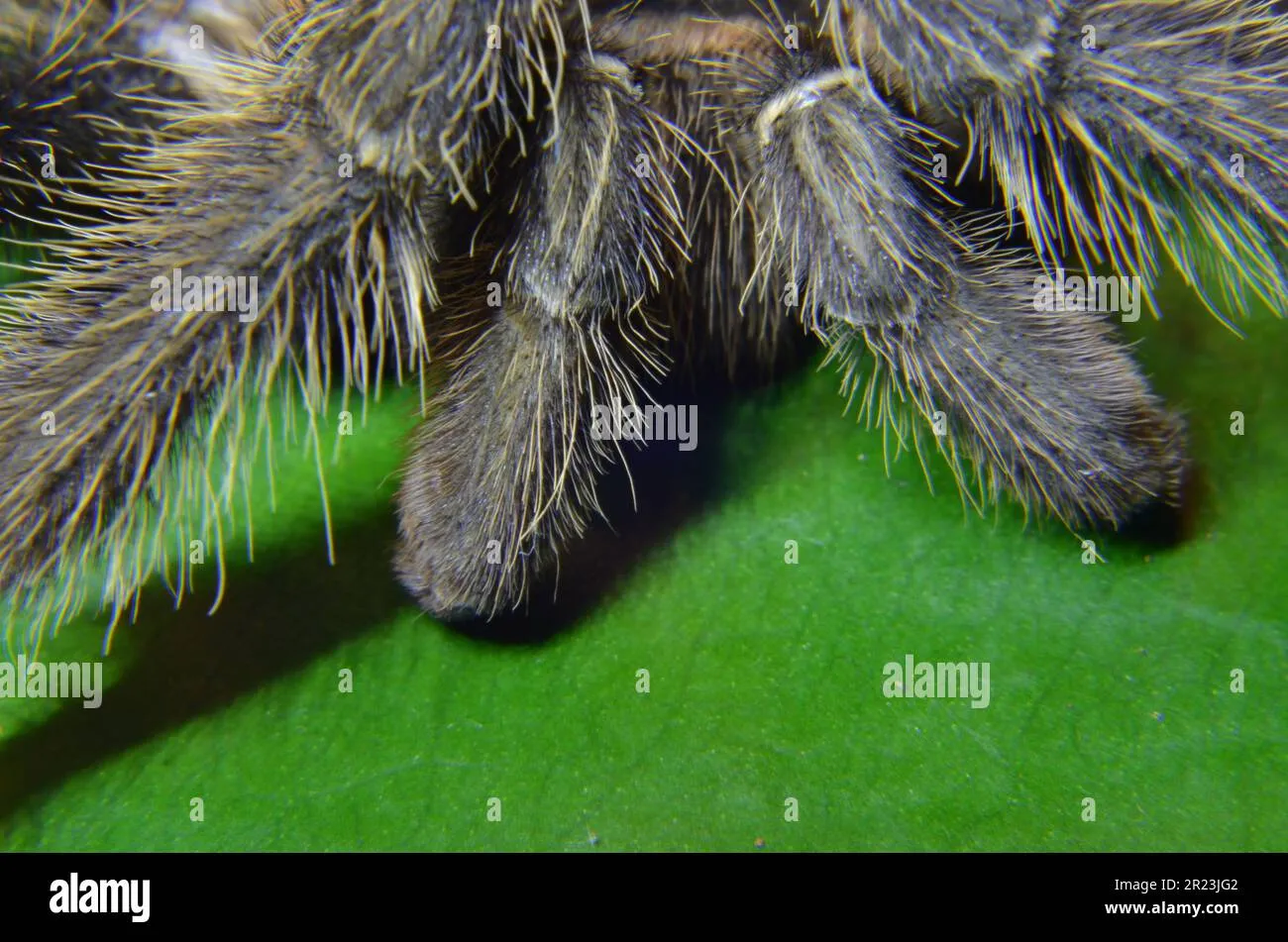
How Many Legs Do Tarantulas Have
Tarantulas, those fascinating and sometimes intimidating arachnids, are well-known for their hairy appearance and impressive size. But have you ever stopped to consider a fundamental aspect of their biology: How many legs do tarantulas have? The answer is straightforward, yet the function and structure of these legs are anything but. Like all spiders, tarantulas possess eight legs, a defining characteristic of the class Arachnida. These legs are not merely for walking; they serve a multitude of purposes, contributing significantly to the tarantula’s survival and lifestyle. From hunting and sensing their environment to grooming and mating, each leg plays a crucial role in the intricate life of a tarantula. Understanding the number of legs is just the beginning; exploring their anatomy and functions reveals a complex and adaptable creature.
The Anatomy of a Tarantula Leg
Delving deeper into the structure of a tarantula’s leg reveals a sophisticated design. Each leg segment works together to facilitate movement, sensory perception, and other essential functions. The leg is composed of multiple sections, each with a specific function. The coxa connects the leg to the body, the trochanter acts as a joint, and the femur is the longest part of the leg, providing strength. The patella, tibia, and metatarsus follow, each contributing to flexibility and movement. Finally, the tarsus ends in claws, which are crucial for gripping and climbing. This structure is not only designed for locomotion but also for interacting with the environment. Sensory hairs and other specialized structures on the legs allow the tarantula to detect vibrations, chemicals, and other stimuli, providing valuable information about its surroundings.
Detailed Leg Structure

The individual segments of a tarantula leg are not simply building blocks, but finely tuned components working in concert. Each section has specific features that contribute to the overall functionality. The coxa, where the leg attaches to the body, allows for a wide range of motion. The trochanter functions as a crucial joint, enabling flexibility. The femur, typically the thickest and strongest part, provides the necessary support for movement. The patella and tibia work together to create a bending action, crucial for walking and climbing. The metatarsus provides an additional point of articulation, adding to the tarantula’s agility. The tarsus, equipped with claws, ensures the tarantula can grip surfaces effectively, whether navigating the forest floor or scaling a tree. The structure of the leg is not just about walking but is also about interacting with the environment.
Leg Functions
The eight legs of a tarantula are far more than just limbs for walking. They are multifaceted tools that contribute to various aspects of the tarantula’s survival. The primary function, of course, is locomotion, allowing tarantulas to move swiftly across different terrains. But the legs also play a vital role in sensory perception. Tiny hairs and sensory structures on the legs can detect vibrations in the ground and air, alerting the tarantula to potential prey or predators. The legs are also involved in grooming. Tarantulas use their legs to clean themselves, removing debris and parasites. In addition, the legs are essential during the mating process, with males using specialized structures on their legs to transfer sperm. The legs, therefore, serve many purposes.
Walking and Movement
Tarantulas use their legs in a coordinated way to walk, run, and climb. The way they move is fascinating. The tarantula’s legs are not all used at once, but are used in a complex sequence of movements. The tarantula moves its legs in a pattern, with some legs lifting while others maintain contact with the ground. This tripod-like gait provides stability and agility, allowing them to traverse various surfaces. They can move quickly when hunting or escaping danger, and they can also climb vertical surfaces thanks to the claws on their feet. Understanding the mechanics of tarantula movement shows their amazing ability to adapt to different environments.
Sensory Functions

Beyond locomotion, a tarantula’s legs are essential sensory organs. The legs are covered in tiny hairs and sensory structures that allow the tarantula to perceive its environment. These sensory structures can detect a wide range of stimuli, including vibrations, changes in air pressure, and chemical signals. This allows tarantulas to sense the presence of prey, predators, or potential mates. The sensory information provided by the legs is crucial for the tarantula’s survival, allowing it to react quickly to threats and find food efficiently. This sensory ability is one of the reasons why tarantulas are such effective hunters. The legs are like extensions of their senses, providing valuable information about the world around them.
How Tarantulas Use Their Legs to Hunt
Hunting is a critical activity for tarantulas, and their legs play a central role in this process. Their legs are used to detect, capture, and subdue prey. They use sensory hairs and other structures on their legs to sense the vibrations of potential prey, even from a distance. When a tarantula detects a target, it moves quickly and precisely, using its legs to close the distance. Once in range, the tarantula uses its fangs to inject venom and paralyze the prey. The legs are also crucial for holding the prey in place during this process. The tarantula’s legs are an integral part of its hunting strategy, allowing it to be a successful predator.
Detecting Prey
One of the most amazing aspects of a tarantula’s hunting strategy is its ability to detect prey. They possess an incredibly sophisticated sensory system, which allows them to detect the presence of prey from a distance. They use the tiny hairs and sensory structures on their legs to detect vibrations in the ground and air. This helps the tarantula to locate prey. This ability is particularly crucial for tarantulas that are ambush predators. They lie in wait, and they can sense the approach of an insect or other potential prey by using their legs. The ability to detect prey is an essential component of their hunting prowess.
Grabbing and Subduing Prey

After detecting prey, a tarantula must quickly capture and subdue it. The tarantula uses its legs to move swiftly and accurately towards its target. The legs are used to grab the prey, holding it firmly while the tarantula delivers a paralyzing venom. The claws on the feet provide a strong grip, while the other segments of the leg add to the tarantula’s stability and control. The tarantula uses its chelicerae, or fangs, to inject venom and paralyze the prey. The legs play a vital role in this crucial stage of the hunt, allowing the tarantula to secure its meal effectively. The combination of speed, grip, and precision is the result of evolution.
Tarantula Leg Care
Taking care of tarantula legs is vital for the tarantula’s health and survival. They use their legs constantly for movement, sensing, and hunting, and thus, they are prone to wear and tear. The tarantula is usually meticulous about cleaning its legs, using the chelicerae and other legs to remove debris and parasites. In captivity, the tarantula owner must create an environment that supports leg health. It is important to provide an appropriate substrate, a clean enclosure, and humidity. Any signs of injury, such as a damaged leg or a limp, should be addressed promptly. Proper leg care is crucial for a tarantula’s overall well-being.
Leg Regeneration
Tarantulas have the remarkable ability to regenerate lost limbs. If a tarantula loses a leg due to injury or during molting, it can regrow a new one over several molts. The regenerative process is not instantaneous. It is a slow process that requires time and energy. The new leg will gradually grow over successive molts, becoming fully functional. While the regenerated leg may not be an exact replica of the original, it will function well enough to support the tarantula’s movement and activities. The ability to regenerate legs is an important adaptation that helps tarantulas survive in a variety of environments.
Molting and Leg Loss

Molting is a crucial process for tarantulas, during which they shed their exoskeleton. The process allows the tarantula to grow and replace any damaged parts, including legs. During molting, the tarantula is especially vulnerable, as it is soft and defenseless. Sometimes, a tarantula may lose a leg during molting. This can happen if the leg gets stuck or if there is an injury during the process. In most cases, the tarantula will regenerate the lost leg over subsequent molts. Knowing about molting and potential leg loss is important for tarantula care, especially in a captive environment.
Other Interesting Tarantula Facts
Beyond the structure and function of their legs, tarantulas offer a wealth of other fascinating facts. Their size varies greatly, with some species reaching impressive dimensions. They can live for many years, especially females. Tarantulas come in a variety of colors and patterns, reflecting the diverse habitats they occupy. They exhibit unique behaviors, such as burrowing, web-spinning, and courtship rituals. Learning about tarantulas shows how amazing they are.
Tarantula Size and Habitat
Tarantulas vary greatly in size, with some species being much larger than others. The size of the tarantula depends on the species, genetics, and environmental factors. Some tarantulas can have a leg span of over 10 inches, making them some of the largest spiders in the world. Tarantulas live in a wide variety of habitats, from tropical rainforests to deserts. Their habitat influences their appearance, behavior, and survival. They have adapted to specific environments. Knowing the tarantula’s size and habitat shows how diverse they are.
Tarantula Lifespan

The lifespan of a tarantula can vary depending on the species, but in general, they have a long lifespan, especially for females. Some females can live for over 20 years, while males usually have a shorter lifespan. The lifespan is influenced by genetics, diet, and environmental conditions. Captive tarantulas often live longer than those in the wild because they are protected from predators and have a stable food supply. Their long lifespan is a characteristic that makes them interesting. A tarantula’s lifespan shows how adaptable they are.