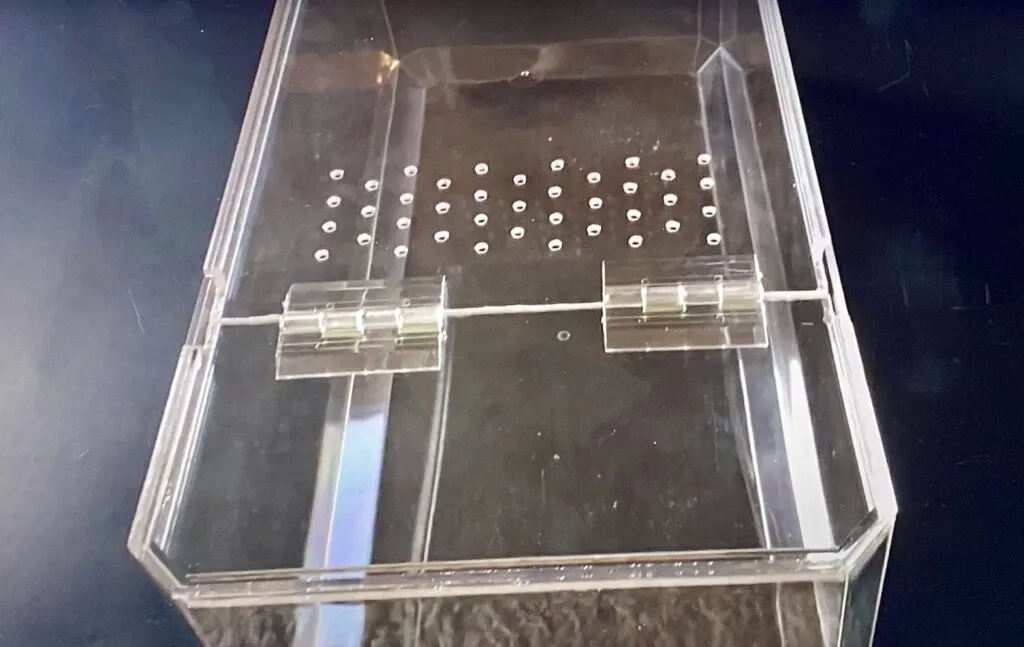
Choosing the Right Tarantula Enclosure
Setting up a tarantula enclosure is a crucial step in providing a safe and comfortable habitat for your eight-legged friend. The right enclosure ensures the tarantula’s well-being and makes it easier for you to observe and care for it. This guide will walk you through the essential steps of creating the perfect tarantula enclosure, from selecting the appropriate size and materials to maintaining optimal conditions. Understanding your tarantula’s specific needs is the foundation for successful setup. This includes considering the species, its size, and its natural habitat. A well-designed enclosure mimics the tarantula’s natural environment, promoting healthy behavior and reducing stress. This tutorial covers everything you need to know to create a thriving home for your tarantula, ensuring it lives a long and happy life.
Size Matters Selecting the Correct Enclosure Size
Choosing the right size enclosure is paramount for your tarantula’s health and happiness. A too-small enclosure will restrict movement and can lead to stress, while a too-large one might make it difficult for the tarantula to find food or feel secure. As a general guideline, the enclosure should be roughly three times the tarantula’s leg span in width and length. Height requirements vary by species, with arboreal (tree-dwelling) tarantulas needing more vertical space for climbing and terrestrial (ground-dwelling) tarantulas needing more floor space. Always consider the adult size of your tarantula species when selecting an enclosure. It’s better to err on the side of slightly larger, anticipating their growth. For slings (juvenile tarantulas), start with a smaller enclosure and upgrade as they grow. This prevents them from feeling overwhelmed and makes it easier to find their food. Remember to provide adequate space for substrate, hides, and other decorations to create a comfortable environment.
Species Specific Needs

Different tarantula species have unique enclosure requirements due to their varied natural habitats and behaviors. Researching the specific needs of your tarantula is critical before setting up its enclosure. For instance, arboreal species like the Pinktoe tarantula (Avicularia avicularia) thrive in taller enclosures with plenty of climbing opportunities, such as branches and cork bark. They also require higher humidity levels. Terrestrial species, such as the Mexican Red Knee (Brachypelma hamorii), prefer more floor space and a deeper substrate for burrowing. They generally need lower humidity levels than arboreal species. Some species are more sensitive to temperature fluctuations, while others have specific ventilation needs. Understanding these species-specific details ensures you can create an enclosure that perfectly suits your tarantula’s needs, contributing to its overall well-being. Always consult reputable care guides or experienced keepers for species-specific information.
Glass vs Acrylic
The choice between a glass or acrylic enclosure involves considering several factors. Glass enclosures are generally more affordable and resistant to scratches. They also provide excellent visibility. However, glass enclosures can be heavier, and some keepers find it difficult to drill holes for ventilation or accessories. Acrylic enclosures are lighter and offer better insulation, which can help maintain a stable temperature and humidity. Acrylic is also less prone to cracking. However, acrylic enclosures can be more expensive and prone to scratching. Ultimately, the best choice depends on your budget, aesthetic preferences, and specific needs of your tarantula species. Both materials can create a suitable enclosure when properly set up. Ensure that the enclosure has a secure lid to prevent escapes, regardless of the material you choose.
Setting up the Substrate
The substrate serves as the foundation of your tarantula’s enclosure, providing a comfortable surface for your tarantula, absorbing waste, and maintaining humidity levels. The choice of substrate directly impacts your tarantula’s well-being, so selecting the appropriate material is a must. Consider the species, their natural habitat, and their burrowing behavior when making your selection. A proper substrate setup will keep the enclosure clean and will make your tarantula feel safe and protected. The depth of the substrate is very important, specially for terrestrial species. It will depend on the species and the age of the tarantula.
Types of Substrate

Several substrate options are available, each with its own advantages and disadvantages. Popular choices include coco coir, peat moss, and a mixture of the two. Coco coir is an excellent choice for maintaining humidity and is readily available. Peat moss is another great option and has good water retention properties. Sphagnum moss can be used to create humid microclimates within the enclosure. Vermiculite and perlite can improve drainage and aeration. It is important to avoid substrates with added fertilizers, chemicals, or pesticides that could be harmful to your tarantula. Avoid using sand as a primary substrate, especially for burrowing species, as it can collapse and pose a risk. For arboreal tarantulas, a substrate that holds some moisture, such as a mix of coco coir and sphagnum moss, works very well. Terrestrial tarantulas often benefit from a deeper layer of substrate to facilitate burrowing. Experiment with different substrates to see what works best for your particular species and your own maintenance preferences.
Depth and Moisture Levels
The depth and moisture level of the substrate are crucial for providing the right conditions for your tarantula. For terrestrial species, a deeper substrate layer (4-6 inches or more) allows them to burrow and create secure retreats. Arboreal species typically require a shallower layer, but the substrate should still be sufficient to hold moisture. Moisture levels should be adjusted according to the species’ needs and the local climate. Use a spray bottle to lightly mist the substrate, avoiding over-saturation. Monitor humidity levels with a hygrometer and adjust the frequency of misting accordingly. The substrate should be moist but not soaking wet. Proper moisture management prevents mold growth and promotes a healthy environment. A dry substrate can cause the tarantula to become dehydrated. On the other hand, a substrate that is too moist can be just as damaging, so you have to find the perfect balance.
Creating a Natural Environment
Creating a natural environment within the enclosure enhances your tarantula’s well-being and encourages natural behaviors. Providing hiding places, climbing structures, and enrichment items helps reduce stress and makes the tarantula feel more secure. By mimicking the tarantula’s natural habitat, you will also be able to observe more of the natural behaviors of your pet. From the substrate, to the hides and water dish, every element of the enclosure can contribute to the overall feel of the enclosure, and contribute to the safety and security of your tarantula.
Adding Hides and Decorations

Adding hides and decorations is essential for providing security and enrichment. Cork bark, half logs, and artificial caves are popular choices for hides, providing your tarantula with a place to retreat and feel safe. Arrange these items to create a variety of microclimates within the enclosure. You can also add live or artificial plants. Avoid using sharp or abrasive decorations that could injure your tarantula. Ensure that all decorations are clean and non-toxic. The hide should be appropriately sized for your tarantula, allowing it to fully disappear inside. This helps them feel secure, especially during molting or when they are newly introduced to their enclosure. Adding decorations also creates a more visually appealing environment for you to enjoy.
Importance of Ventilation
Proper ventilation is critical for preventing the buildup of harmful bacteria, fungi, and excessive humidity. Ventilation helps regulate air flow, ensuring a healthy environment for your tarantula. Enclosures should have adequate ventilation, which may include ventilation holes or mesh tops. The amount of ventilation needed will vary depending on the species and the enclosure design. The goal is to allow for air circulation without excessively drying out the enclosure. Too little ventilation can lead to mold growth and respiratory issues. Too much can cause dehydration. The best enclosures have cross-ventilation, with air entering on one side and exiting on the other. This promotes better air circulation and helps maintain appropriate humidity levels. Ensure that ventilation openings are small enough to prevent escapes.
Maintaining Temperature and Humidity
Maintaining the correct temperature and humidity levels is essential for your tarantula’s health and well-being. Tarantulas are ectothermic, meaning they rely on external sources to regulate their body temperature. The ideal temperature and humidity ranges vary depending on the species, so research the specific needs of your tarantula. Providing the correct environmental conditions is also very important for them to have a healthy molt.
Using Thermometers and Hygrometers

Using thermometers and hygrometers is the best way to accurately monitor temperature and humidity levels. Digital thermometers and hygrometers are accurate and easy to read, providing precise data on the enclosure’s conditions. Place the thermometer and hygrometer in a location that is easily visible, and ensure that they are not directly exposed to any heat source. Regularly check the readings and make adjustments as needed to keep the environment within the ideal range. Consider using multiple thermometers and hygrometers to measure the temperature and humidity in different parts of the enclosure, creating a more comprehensive understanding of the microclimates within the enclosure. This helps you ensure that the conditions are suitable throughout the enclosure.
Heating Options
Heating options for tarantula enclosures include heat mats, ceramic heat emitters, and incandescent bulbs. Heat mats are placed on the side or back of the enclosure and provide gentle, consistent heat. They are a popular choice for tarantulas, but must be used with a thermostat to regulate the temperature. Ceramic heat emitters provide heat without light, making them suitable for nocturnal species. Incandescent bulbs can be used, but they also produce light and should be used with caution to avoid overheating the enclosure. The best heating option depends on the species, the size of the enclosure, and the ambient temperature. Always use a thermostat to regulate the temperature, preventing overheating, and potential harm to your tarantula. Position the heat source to create a temperature gradient within the enclosure. This will allow the tarantula to move to warmer or cooler areas as needed.
Water and Feeding Your Tarantula
Providing fresh water and appropriate food is crucial for your tarantula’s health and survival. Regular access to clean water and a balanced diet will keep your tarantula healthy and happy. The size of the water dish should be appropriate for the size of your tarantula. You must change the water regularly to avoid contamination and the growth of algae or bacteria. The size of the food should also be appropriate for your tarantula. Always research the specific dietary needs of your tarantula species and follow those guidelines. A well fed tarantula is a healthy tarantula.
Water Dish Essentials

A water dish is an essential component of any tarantula enclosure. It provides a source of fresh water for drinking and helps to maintain humidity. The water dish should be shallow enough to prevent drowning, especially for smaller tarantulas. Use a sturdy dish that cannot be easily tipped over. You can use a commercial water dish designed for reptiles or arachnids, a bottle cap, or a shallow dish made from ceramic or plastic. Clean the water dish regularly, typically every one to three days, to prevent the growth of algae or bacteria. Replace the water with fresh, dechlorinated water. The size of the water dish should be proportional to the size of your tarantula, and it should be easily accessible.
Feeding Frequency and Prey Selection
The feeding frequency and prey selection depend on the tarantula’s species, age, and size. Slings typically need to be fed more frequently than adult tarantulas. Feed slings every one to two days, while juveniles can be fed every three to seven days. Adult tarantulas can be fed every one to two weeks. Offer a variety of insects, such as crickets, roaches, mealworms, and superworms. The size of the prey should be appropriate for your tarantula; the prey should be no larger than the tarantula’s abdomen. Remove any uneaten prey within 24 hours to prevent stress and potential harm to your tarantula. Some keepers pre-kill prey before offering it to the tarantula. Always provide fresh, healthy food, and avoid feeding your tarantula insects from outside, as they may carry parasites or pesticides.
Cleaning and Maintenance
Regular cleaning and maintenance are essential for maintaining a healthy and hygienic environment for your tarantula. The frequency and type of cleaning depend on the species, the substrate, and the overall condition of the enclosure. Regular cleaning and maintenance are very important for the health and well being of your tarantula. You can prevent many health issues by regularly spot cleaning and replacing the substrate on a schedule. Always be sure to follow best practices when it comes to taking care of your pet.
Spot Cleaning and Full Enclosure Clean

Spot cleaning should be done regularly, typically once or twice a week. This involves removing any visible waste, uneaten prey, and molted skins. Use a pair of tongs to remove these items. A full enclosure clean should be performed periodically, usually every six to twelve months, depending on the species and the type of substrate. Remove the tarantula and place it in a temporary container. Remove the old substrate and dispose of it. Thoroughly clean and disinfect the enclosure. Allow the enclosure to dry completely before adding fresh substrate and reintroducing the tarantula. When cleaning, use a reptile-safe disinfectant. Never use harsh chemicals or soaps, as these can be harmful to your tarantula. During a full enclosure cleaning, examine the tarantula’s health, its enclosure, and your equipment.
Handling and Safety Precautions
Handling tarantulas should be approached with caution and respect, understanding that tarantulas can be unpredictable. While some species are more docile than others, all tarantulas have the potential to bite or flick urticating hairs (small, irritating hairs on their abdomen) as a defense mechanism. Therefore, it’s generally recommended to avoid handling tarantulas unless absolutely necessary. If you must handle your tarantula, do so in a safe and controlled environment, such as a low surface, where a fall would not cause injury. Use a soft brush to gently guide the tarantula. Always wash your hands thoroughly before and after handling your tarantula, and avoid touching your face or eyes to prevent irritation from urticating hairs. Be aware of your tarantula’s behavior and body language; signs of stress or aggression include raised front legs, a defensive posture, or rapid movements. Always prioritize your tarantula’s safety and well-being.