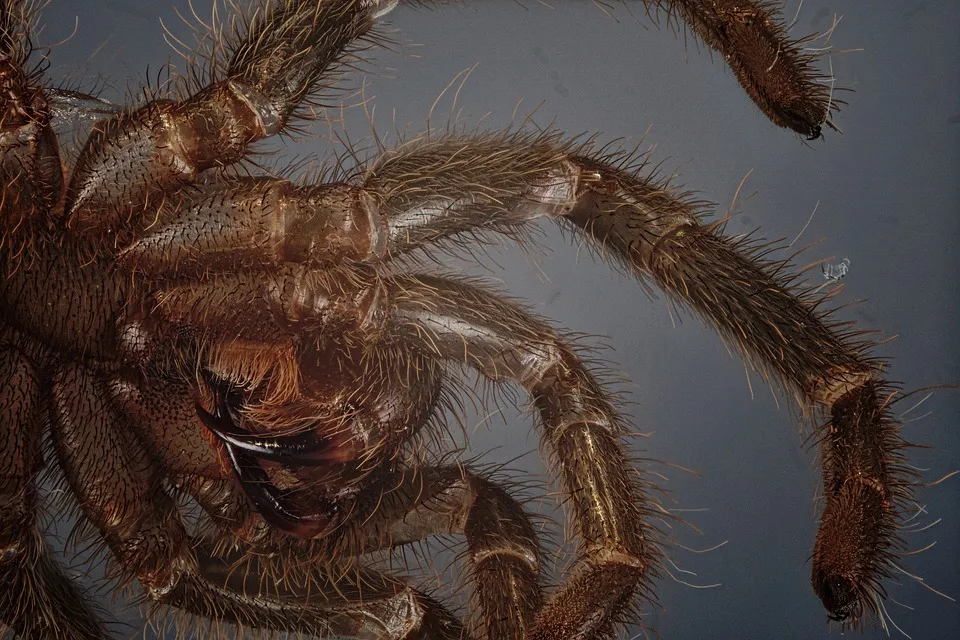
What is Tarantula Dyskinetic Syndrome (TDS)
Tarantula Dyskinetic Syndrome (TDS) is a debilitating condition affecting tarantulas, primarily characterized by involuntary movements, tremors, and a loss of coordination. This syndrome, while not fully understood, presents as a significant health concern for tarantula owners. TDS is often observed in captive tarantulas and can manifest in various ways, impacting the spider’s ability to move, feed, and interact with its environment. Early recognition and understanding of TDS are crucial for ensuring the well-being of these fascinating creatures. The complexity of the condition and the various factors that contribute to it underscore the importance of diligent care and observation by tarantula keepers. Proper management can mitigate the severity and increase the chances of recovery, making it essential for all tarantula enthusiasts to be well-informed about this syndrome.
Symptoms of TDS in Tarantulas
Recognizing the symptoms of Tarantula Dyskinetic Syndrome is the first step in addressing the issue. Symptoms can vary in severity and presentation. Careful observation and a thorough understanding of your tarantula’s normal behavior are essential for detecting the subtle signs that might indicate the onset of TDS. The sooner the symptoms are identified, the quicker you can take the necessary steps to assist your tarantula.
Physical Signs of TDS

Physical signs of TDS often include tremors in the legs or abdomen, making it difficult for the tarantula to move smoothly. You may also observe a loss of coordination, where the spider struggles to climb, walk, or right itself if it falls. These physical manifestations can be particularly distressing for both the tarantula and its keeper, highlighting the need for swift action to minimize suffering and support recovery. Look for any unusual twitching, jerking, or difficulty in maintaining balance.
Behavioral Changes Indicating TDS
Behavioral changes associated with TDS can include changes in appetite, reluctance to eat, or a general lack of interest in prey. Tarantulas may also exhibit lethargy, spending more time in one spot and avoiding movement. Other indicators include an inability to effectively hunt or capture food, which is critical to their survival. Keep a close eye on your tarantula’s feeding habits and activity levels; any significant deviation from the norm should prompt immediate attention.
Common Causes of Tarantula Dyskinetic Syndrome
TDS can arise from a combination of factors, making it crucial to consider all potential causes when assessing a tarantula’s health. Understanding these contributing elements can help owners take proactive steps to prevent or mitigate the syndrome. Addressing these causes involves careful environmental management, dietary adjustments, and the avoidance of unnecessary stress.
Environmental Factors

Environmental factors play a significant role in the development of TDS. Improper enclosure conditions, such as inadequate humidity or temperature fluctuations, can stress tarantulas. The substrate, too, can be a factor; it should be appropriate for the species and kept clean. The layout and décor of the enclosure also matter, providing the tarantula with a comfortable and safe space. Regular monitoring of the environment helps ensure that the habitat supports the spider’s health and well-being. Providing the right habitat and making sure all conditions are optimal can greatly lower the risk of TDS.
Nutritional Deficiencies
Nutritional deficiencies are a significant cause of TDS. A balanced diet is essential for tarantulas, and any lack of vital nutrients can lead to health issues. It’s important to feed tarantulas a variety of appropriate prey items, such as crickets, roaches, or mealworms, supplemented occasionally with calcium or other vitamins as needed. Ensure prey items are properly gut-loaded before feeding them to your tarantula to provide the maximum nutritional benefit. A poor diet compromises the spider’s overall health and increases the likelihood of developing TDS.
Stress and Handling
Stress and improper handling can also trigger TDS. Tarantulas are generally solitary creatures and do not enjoy frequent handling. Excessive handling can stress them, leading to tremors and other symptoms. Avoid unnecessary handling and always handle your tarantula gently. Create a calm, stable environment, avoiding loud noises and sudden movements that could startle the spider. Providing a safe, undisturbed environment is crucial for preventing stress-related health issues such as TDS.
How to Diagnose Tarantula Dyskinetic Syndrome

Diagnosing TDS typically involves a combination of careful observation by the owner and a professional veterinary examination. Early and accurate diagnosis can significantly improve the chances of successful treatment. Owners should be vigilant in monitoring their tarantula’s behavior and health, noting any unusual symptoms. Detailed and comprehensive records of observed behavior are invaluable for a proper diagnosis.
Veterinary Examination
A veterinary examination is crucial for a definitive diagnosis. A vet specializing in exotic animals can assess the spider’s physical condition and rule out other potential health problems. The vet may conduct various tests, such as observing the spider’s movements and reflexes, or examining its overall health. The veterinarian’s expertise will help determine if the symptoms are indeed related to TDS or another condition, which then guides the treatment plan. The vet will be able to guide owners on further treatment and care.
Observational Analysis
Observational analysis by the owner is a key component of the diagnostic process. Careful monitoring of the tarantula’s behavior, feeding habits, and physical movements can provide critical clues. Keep a detailed log of any observed symptoms, noting the frequency, duration, and severity of the tremors or any other concerning signs. Record details like the tarantula’s activity levels and any environmental changes around the enclosure. This information, shared with a veterinarian, will help in both accurate diagnosis and tailored treatment.
Top 7 Facts About Tarantula Dyskinetic Syndrome

Fact 1: The prevalence of TDS
Tarantula Dyskinetic Syndrome is not a rare condition. TDS is a relatively common issue among captive tarantulas, underscoring the importance of careful monitoring and preventive care by all tarantula keepers. Its prevalence is especially notable in certain species and ages, highlighting the need for targeted strategies. Proper knowledge and understanding of the condition are crucial for all tarantula enthusiasts to protect and ensure their pet’s well-being. Recognizing the potential for TDS and taking preventative steps can significantly reduce the chances of the syndrome occurring.
Fact 2: TDS is not contagious
Unlike certain infectious diseases, TDS is not contagious. The condition is generally associated with individual factors like poor diet, environmental stress, or genetic predispositions rather than transmittable pathogens. This means that the condition cannot be directly passed between tarantulas, giving keepers some peace of mind. Focusing on individual care and preventative measures within each tarantula’s enclosure is the key to management. You do not need to isolate the affected tarantula from others, though careful assessment of the environment of all your tarantulas is still required.
Fact 3: Dietary deficiencies can lead to TDS

Dietary deficiencies are a major contributing factor to TDS. Tarantulas require a balanced diet to thrive, and the absence of essential nutrients can trigger the syndrome. Proper nutrition is more than just providing food, but making sure that food has the necessary nutrients for your tarantula. Supplementation of the diet can prove helpful. It is crucial to feed them a variety of appropriate prey and consider nutritional supplements. Ensuring that the tarantula receives the vitamins and minerals it needs can help ward off the condition.
Fact 4: TDS is usually a reversible condition
The good news is that TDS is often a reversible condition, particularly if caught early and managed effectively. This means that with the correct care, a tarantula can recover and regain its normal function. Early intervention, through improvements in diet, environment, and handling practices, is key to a positive outcome. Owners who observe the symptoms early and take immediate actions may have a better chance of helping their tarantula to recover. Patience and consistent care is key during the recovery process.
Fact 5: Overhandling can cause TDS
Overhandling can contribute to TDS. Tarantulas are solitary creatures who are easily stressed by frequent contact. Excessively handling tarantulas can lead to behavioral and physical symptoms, increasing the risk of the syndrome. It is best to avoid handling your tarantula unless absolutely necessary, such as for health checks or enclosure maintenance. Providing a stable, low-stress environment can protect the tarantula and lower the chances of TDS and other stress-related conditions. Always be gentle and patient when handling a tarantula.
Fact 6: TDS does not always lead to death

TDS does not always result in death. Many tarantulas can recover and lead long, healthy lives with proper care and treatment. While the condition can be severe, the prognosis is often positive if the underlying causes are addressed promptly. Proper management, including environmental improvements, dietary adjustments, and reduced stress, can greatly improve a tarantula’s chances of recovery. Knowing that there is a good chance for recovery can give hope to owners and encourage them to take necessary steps to help their pet.
Fact 7: Environmental factors and TDS
Environmental factors significantly influence the development and progression of TDS. Optimal enclosure conditions, including appropriate temperature, humidity, and substrate, are crucial. Keeping the enclosure clean and providing a stress-free environment are vital. Poor conditions can stress tarantulas, leading to TDS. Regular monitoring of the tarantula’s habitat is vital. Make sure the environment supports the spider’s health, as it is crucial to prevent and manage the syndrome effectively.
Treatment and Management of TDS
Treatment and management strategies for TDS focus on addressing the underlying causes and providing supportive care. A multifaceted approach, including environmental adjustments, dietary corrections, and stress reduction, will offer the best outcomes. The goal is to improve the tarantula’s quality of life and aid in its recovery. Owners should consult with an experienced veterinarian for guidance on the most suitable treatment plan.
Environmental Adjustments
Making necessary environmental adjustments is crucial. Ensure that the tarantula’s enclosure provides optimal temperature and humidity levels appropriate for the species. Provide a safe and clean environment. Maintaining the correct conditions will help reduce stress. Regularly monitor and adjust the enclosure to meet your tarantula’s specific needs. This proactive approach greatly contributes to the tarantula’s health.
Dietary Corrections
Dietary corrections are an essential part of the treatment. Evaluate the tarantula’s current diet and ensure it is balanced and appropriate. Consider supplementing the diet with vitamins or minerals if needed, but consult with a veterinarian before introducing any supplements. Ensure that prey items are gut-loaded with nutritious foods before feeding. Proper nutrition is critical for recovery and overall health. A well-balanced diet is a fundamental aspect of management.
Handling and Stress Reduction
Minimize stress and handling. Limit handling to essential situations, such as enclosure maintenance or health checks. Create a calm and stable environment, avoiding loud noises or disturbances. Observe the tarantula and make sure it is in a quiet area of the house. A reduction in stress will assist in recovery. The goal is to provide a secure and tranquil habitat that supports the tarantula’s well-being.
Preventing Tarantula Dyskinetic Syndrome
Proactive measures are key to preventing TDS. By implementing proper husbandry practices, owners can minimize the risks and ensure their tarantulas enjoy healthy lives. Preventing the condition focuses on creating a suitable environment, providing a balanced diet, and handling the tarantula with care.
Proper Enclosure Setup
A properly set up enclosure is the foundation of prevention. Choose an enclosure that is appropriately sized for the tarantula’s species and size, allowing for ample space. Provide the correct substrate, appropriate for burrowing or arboreal species. Maintain proper temperature and humidity levels. Regular cleaning and maintenance are essential for a healthy habitat. A well-designed enclosure will reduce stress and support the spider’s well-being. Correctly setting up the enclosure is crucial to reducing stress.
Balanced Diet and Nutrition
Provide a balanced and varied diet. Feed tarantulas a range of appropriately sized prey items, such as crickets, roaches, or mealworms. Ensure that prey items are gut-loaded with nutritious foods before feeding them to the tarantula. Supplement the diet with essential vitamins and minerals, as advised by a veterinarian. Nutrition plays a crucial role in health. A balanced diet is essential for health, preventing deficiencies and contributing to overall health.
Safe Handling Practices
Practice safe and limited handling. Avoid handling your tarantula unless it is necessary, such as for health checks or enclosure maintenance. Handle the tarantula gently and with care, supporting its body to prevent falls. If handling is required, do it in a safe environment. Always wash your hands before and after handling a tarantula. Safe handling is an important aspect of preventing stress. Gentle and safe practices are crucial.
Conclusion
Understanding and managing Tarantula Dyskinetic Syndrome (TDS) is essential for all tarantula keepers. By recognizing the symptoms, understanding the causes, and implementing appropriate preventative measures, owners can significantly improve the health and well-being of their tarantulas. Early intervention, along with proper care and consistent observation, provides the best chance for recovery and a long, healthy life for these fascinating creatures. Continuing to learn and adapt your care practices based on your tarantula’s needs is critical to providing optimal care. Always consult with an experienced veterinarian for any health concerns.