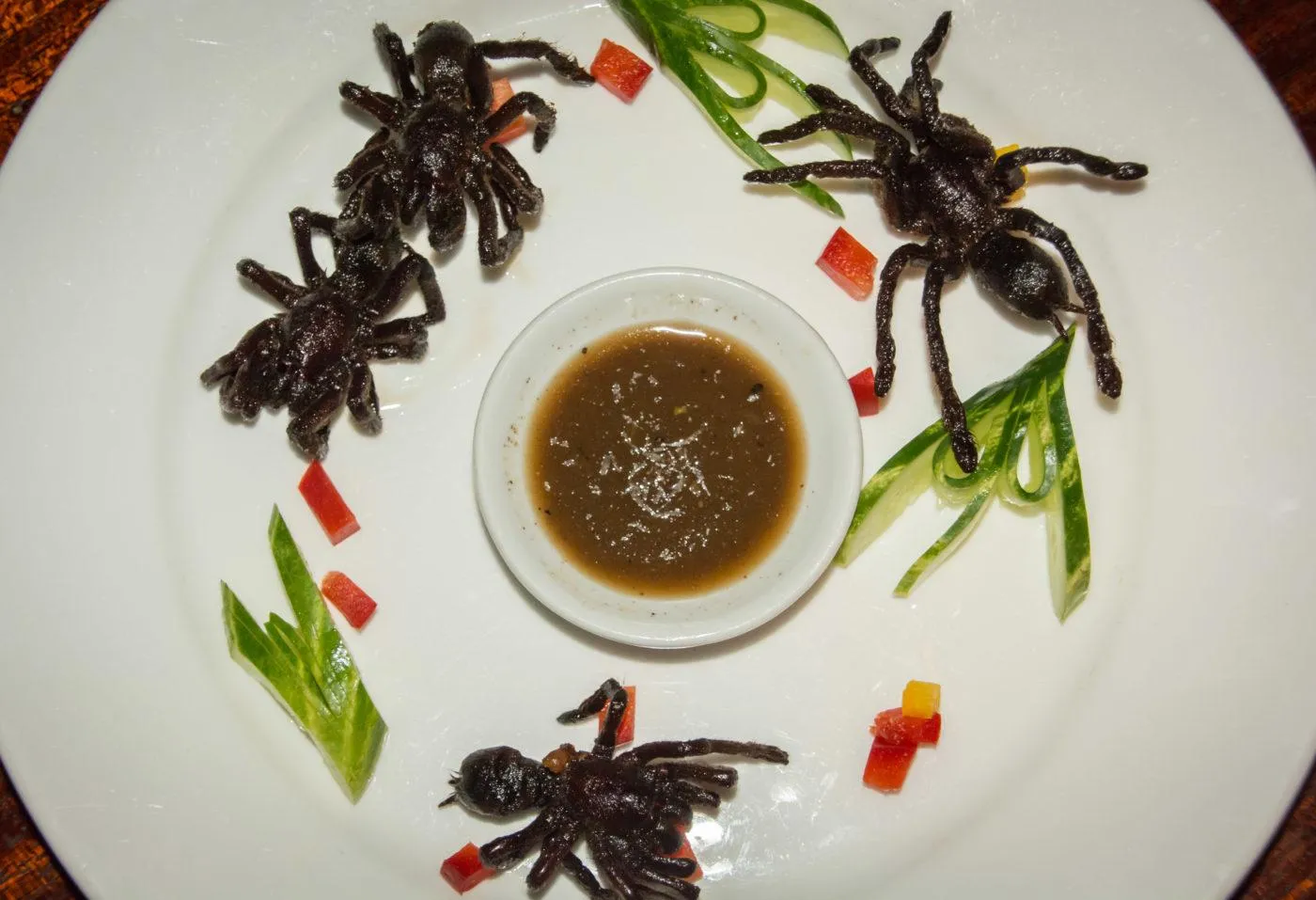
What Do Tarantulas Eat? The Basics
Tarantulas, despite their intimidating size and appearance, are fascinating creatures with specific dietary needs. Understanding what tarantulas eat is crucial for anyone considering keeping one as a pet or simply curious about these arachnids. Their diet in the wild and in captivity is a key factor in their health, growth, and overall well-being. This guide will delve into the details of the tarantula diet, providing insights into their primary food sources, feeding processes, and factors that influence their nutritional requirements. From insects to small vertebrates, we’ll explore the diverse range of foods that make up a tarantula’s menu, ensuring you have a comprehensive understanding of these amazing spiders.
Insects Primary Food Source
The cornerstone of a tarantula’s diet is insects. In their natural habitat, tarantulas are opportunistic hunters, meaning they will eat whatever insects are readily available. This typically includes a variety of common bugs found in their environment. In captivity, pet tarantulas are usually fed a consistent diet of commercially available insects, ensuring they receive the necessary nutrients for survival. The type and size of insects offered should be appropriate for the tarantula’s size, allowing for successful hunting and digestion. This insect-based diet is essential for providing the protein, fats, and other nutrients that tarantulas need to thrive.
Common Insects Tarantulas Consume

Several types of insects are commonly fed to tarantulas, both in captivity and occasionally in the wild. These insects are readily available and provide a good nutritional base for the spiders. The choice of insect often depends on availability, ease of care, and the tarantula’s preference. It’s essential to vary the diet to ensure a balanced intake of nutrients, which can contribute to a healthier and more robust spider. Always ensure the insects are raised in a clean environment to avoid the introduction of parasites or pesticides into the tarantula’s habitat. Variety keeps the spider interested and ensures they get a wide range of nutrients.
Mealworms
Mealworms are a popular choice for feeding tarantulas, especially for younger specimens. They are easy to acquire and can be conveniently stored. However, mealworms are relatively low in certain nutrients, so they should not be the only food source. They provide a good source of protein, and their soft bodies are easy for smaller tarantulas to manage. Gut-loading mealworms before feeding them to your tarantula can also enhance their nutritional value. Gut-loading involves feeding the mealworms nutritious food (like vegetables and grains) a few days before offering them to the tarantula, which passes those nutrients on to the spider.
Crickets
Crickets are another staple in the tarantula diet, offering a good balance of nutrients and providing an opportunity for the tarantula to practice its hunting skills. Crickets can be easily purchased from pet stores and are a relatively affordable option. However, crickets can be noisy and may require more care to keep them alive and healthy. It is also essential to dust crickets with calcium and vitamin supplements before feeding them to the tarantula, ensuring they receive essential vitamins and minerals. The movement of the crickets also stimulates the tarantula’s predatory instincts, providing mental stimulation.
Roaches

Roaches, such as Dubia roaches, are often considered a superior food source for tarantulas due to their high nutritional value. They are richer in protein and other vital nutrients than crickets, and they are relatively slow-moving, making them easier for tarantulas to catch. Roaches are also less noisy and can be kept in captivity with minimal effort. They have a longer lifespan than crickets, which reduces the frequency of purchasing and maintaining a food supply. Always make sure to source roaches from a reputable supplier to ensure they are free from diseases or parasites and are safe for your tarantula to consume.
Beyond Insects
While insects form the foundation of a tarantula’s diet, these spiders also consume other prey items, particularly in the wild. These alternative food sources add variety and can provide additional nutrients. The size and type of these additional food sources will depend on the tarantula’s size and the availability of prey in its environment. It’s important to note that introducing these alternatives must be done with care, making sure they are safe and suitable for the spider’s specific needs. This will contribute to a more diverse and well-balanced diet for the tarantula.
Small Vertebrates
Larger tarantulas in the wild sometimes prey on small vertebrates. These include small animals that they can overpower, such as baby mice, lizards, and small birds. Providing such food sources in captivity is less common. These are generally offered to larger tarantulas or under specific conditions. However, feeding tarantulas vertebrate prey should be done cautiously. It’s vital to ensure the prey is disease-free and of an appropriate size. Introducing these items requires careful consideration to prevent injury to the tarantula and to ensure they receive balanced nutrition.
Feeding on Mice

Feeding tarantulas with mice, also known as ‘pinkies’ (baby mice), is a controversial topic among tarantula keepers. While it provides a high-protein meal, it can also pose risks. The bones and fur of the mice can be difficult for the tarantula to digest. Mice may also carry parasites or diseases. If you choose to offer mice, it should be done sparingly and with utmost caution. Always ensure the mice are from a reliable source and are free from any potential health hazards. The size of the mouse must be appropriate for the tarantula to manage and consume safely. This should not be a regular part of the tarantula’s diet.
Feeding on Small Lizards
Similar to mice, small lizards can sometimes be part of a tarantula’s diet in the wild. Lizards provide a source of protein and other nutrients. Feeding tarantulas lizards in captivity is less common due to the difficulty in sourcing disease-free lizards. If offering lizards, the same precautions must be taken as with mice. Always source the lizards from a reliable source and ensure they are of an appropriate size and pose no health risks to the tarantula. This should be considered an occasional treat rather than a regular part of the tarantula’s diet. Introducing alternative food sources should be done with care and a focus on the spider’s well-being.
The Tarantula Feeding Process
Understanding the tarantula feeding process offers fascinating insights into their predatory behavior. It begins with the tarantula’s senses and hunting strategies. From the moment a prey item enters the enclosure, the tarantula uses its senses to locate and assess the potential meal. Then, a combination of speed, venom, and digestive enzymes is deployed. The entire process is an extraordinary example of natural adaptation and survival. The tarantula’s approach and method of consuming food showcase their unique adaptations for thriving in diverse environments. Here’s an inside look at how a tarantula eats its prey.
How Tarantulas Catch Their Prey

Tarantulas are ambush predators, meaning they typically wait for their prey to come close before launching an attack. They possess sensory hairs on their legs that detect vibrations, alerting them to the presence of potential food. Once within striking distance, the tarantula will swiftly pounce on its prey, using its fangs (chelicerae) to inject venom. The speed and precision of this action are crucial for successful hunting. This ambush strategy enables them to conserve energy. They have adapted perfectly to this method of hunting, and it’s essential for their survival in the wild.
The Role of Venom
Venom is a critical component of the tarantula’s feeding process. It serves two primary functions: immobilizing the prey and initiating the digestion process. Tarantula venom is not typically dangerous to humans, but it is highly effective against insects and other small animals. The venom contains neurotoxins and digestive enzymes. The neurotoxins quickly paralyze the prey, preventing it from escaping. The digestive enzymes begin to break down the internal tissues of the prey from within. This pre-digestion makes it easier for the tarantula to consume and absorb nutrients. The use of venom is a remarkable adaptation that makes these spiders efficient hunters.
Digestion Outside the Body
One of the most unique aspects of tarantula feeding is their method of external digestion. After injecting venom, the tarantula will typically hold onto the prey. The digestive enzymes in the venom begin to liquefy the internal organs of the prey. Once the prey is sufficiently broken down, the tarantula uses its chelicerae to crush the body and suck out the nutrient-rich fluids. All that remains is an empty exoskeleton. The tarantula essentially consumes a liquid meal, absorbing all the essential nutrients while discarding the indigestible parts. This digestion process is a fundamental part of how tarantulas obtain their nourishment and is critical to their survival.
Factors Affecting Tarantula Diet

Several factors influence a tarantula’s dietary needs, including its size, age, and overall health. Understanding these elements helps tarantula keepers provide the appropriate food and care, ensuring their pet thrives. A spider’s growth stage, metabolic rate, and environmental conditions all play a role in how much and how often the tarantula needs to eat. Adapting the feeding schedule to the tarantula’s specific requirements is vital for its well-being. It allows for proper growth and avoids potential health problems. Adjusting the diet based on these factors is a key component of responsible tarantula keeping.
Tarantula Size and Diet
The size of a tarantula directly impacts its dietary requirements. Younger tarantulas, or spiderlings, have smaller bodies and, consequently, require smaller meals. They are usually fed flightless fruit flies or small pinhead crickets, depending on their size and growth stage. As the tarantula grows, the size of the prey should increase accordingly. Adult tarantulas need larger insects. Appropriately-sized meals support healthy growth and development. Overfeeding can lead to obesity, while underfeeding can result in stunted growth and poor health. Monitoring the tarantula’s size and appetite is vital for determining the correct feeding regimen.
Feeding Frequency
The frequency of feeding depends on the tarantula’s age, growth rate, and species. Young tarantulas typically have a faster metabolism and need to be fed more often, sometimes multiple times a week. Adult tarantulas can usually be fed less frequently, perhaps once or twice a week, or even less. Overfeeding can lead to health problems. Understanding the needs of the specific tarantula is essential. Factors such as the species’ natural feeding habits also play a role. Always observe your tarantula’s behavior and adjust the feeding schedule accordingly. A healthy tarantula will have a good appetite and readily consume its meals.
Water and Hydration

Water is an essential component of a tarantula’s diet and overall health. Tarantulas get most of their water from their food, but they also need a constant source of fresh water in their enclosure. A shallow water dish with fresh, clean water should always be available. This will help the tarantula stay hydrated and aid in its molting process. Regularly check and refill the water dish to ensure the water is clean and available. In addition, keeping the enclosure at the appropriate humidity level helps with hydration. Adequate hydration is critical for the spider’s well-being.
Nutritional Needs and Supplements
Ensuring a balanced diet for tarantulas often involves not just providing the right prey but also considering the nutritional content of that prey. While insects form the primary food source, they may not always provide all the necessary vitamins and minerals. Supplementing the diet with certain nutrients is important for the tarantula’s overall health, promoting healthy growth and a strong exoskeleton. Understanding these requirements is important for responsible tarantula keeping. Ensuring proper nutrition is a key aspect of maintaining a healthy and happy pet.
Importance of a Balanced Diet
A balanced diet is crucial for a tarantula’s health. It provides the right balance of protein, fats, vitamins, and minerals to support growth, molting, and overall well-being. A diet lacking in essential nutrients can lead to health problems, such as poor growth, difficulty molting, or other deficiencies. It’s important to offer a variety of prey items and consider supplementing with vitamins and minerals to ensure a well-rounded diet. A balanced diet helps the tarantula thrive and live a long, healthy life. Monitoring the tarantula’s condition and adjusting the diet accordingly is a key part of responsible pet care.
Vitamin and Calcium Supplements
Supplementing the diet with vitamins and calcium is often recommended to provide additional nutrients. Calcium is especially important for supporting the formation of a strong exoskeleton. Many keepers dust the insects with a calcium and vitamin supplement before feeding. This ensures the tarantula receives the necessary nutrients. Another method is to gut-load the feeder insects with nutritious food before feeding them to the tarantula. These methods will improve the nutritional value of the prey. Always use supplements designed for reptiles or arachnids and follow the manufacturer’s instructions to avoid over-supplementation. This will help the tarantula stay healthy and grow properly.