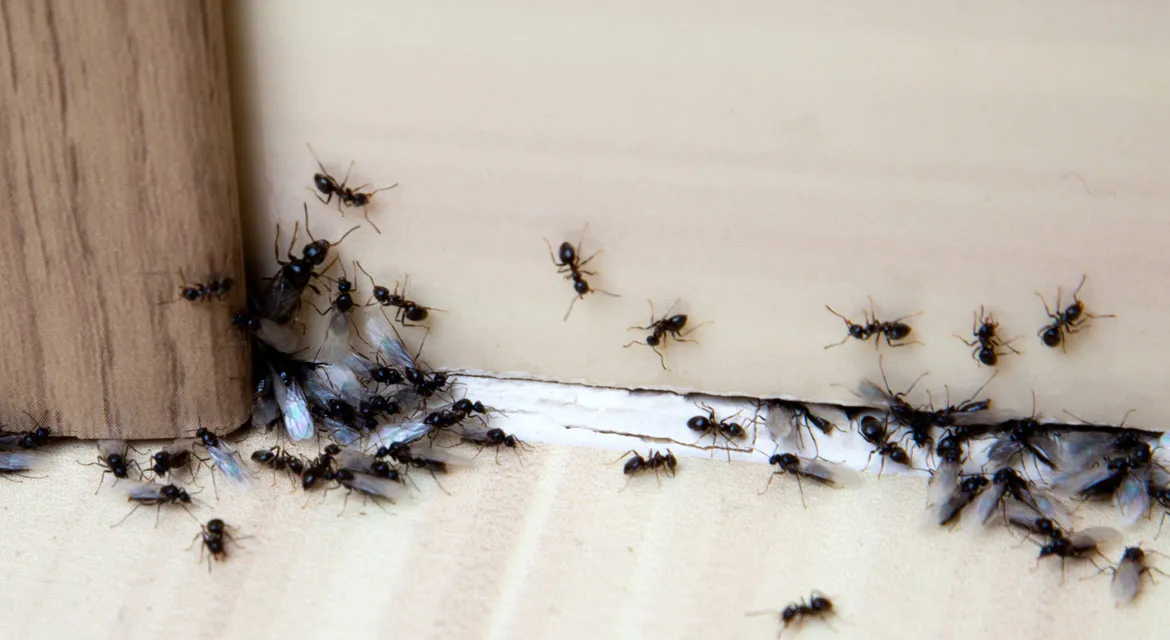
Understanding the Threat of Ants to Tarantulas
Tarantulas, with their impressive size and captivating presence, are popular pets. However, like all creatures, they face various threats. Among these, ants pose a significant danger, often overlooked by new and experienced keepers alike. Understanding this threat is the first step in protecting your tarantula. Ants, while seemingly innocuous, can quickly turn into a serious problem, causing stress, injury, and even death to your prized arachnid. They are persistent, opportunistic, and can exploit any weakness in your enclosure. This article provides a comprehensive guide to understanding the dangers ants pose, how to identify them, and, most importantly, how to protect your tarantula from these tiny invaders.
The Specific Dangers Ants Pose
The dangers ants pose to tarantulas are multifaceted. It’s not just a matter of a few ants wandering into an enclosure; the risks are more profound and can quickly escalate. Ants are social insects, and a small infestation can rapidly become a large one, overwhelming your tarantula. The nature of these dangers needs careful consideration to implement effective protective measures. These threats compromise the tarantula’s well-being and can have long-term health implications if left unaddressed, making ant control a crucial aspect of tarantula care.
Physical Attacks and Bites

Ants, especially certain species, are equipped with mandibles and stingers. These can inflict bites and stings on tarantulas, leading to physical injuries. While a single ant bite might seem insignificant, multiple attacks from a swarm can cause significant trauma. These injuries may lead to infection or make the tarantula vulnerable to other health issues. Moreover, the constant irritation from ant bites can cause the tarantula stress, which has repercussions on its feeding and molting cycles. This makes physical attacks a direct and immediate danger.
Disease Transmission
Ants are known vectors for various pathogens, including bacteria and fungi. As they forage, they come into contact with numerous surfaces, picking up microbes and transferring them to your tarantula’s enclosure and the tarantula itself. This can introduce diseases that tarantulas aren’t naturally resistant to, resulting in illness and potentially, fatality. The moist environment often found in tarantula enclosures creates a perfect breeding ground for these pathogens, amplifying the risk. Regular disinfection of your enclosure is necessary, but preventing ants is far more effective than treating an illness.
Resource Competition
Ants compete with tarantulas for resources, particularly food and water. Ants are relentless in their pursuit of anything edible, which can lead to the tarantula’s food being stolen before the tarantula has a chance to eat. This can cause nutritional deficiencies and impact the tarantula’s overall health. Furthermore, if ants gain access to the water dish, they can contaminate the water source, further endangering the tarantula. This competition can stress the tarantula, particularly during feeding times or when it’s trying to molt, ultimately affecting its survival.
Identifying Ant Species in Your Tarantula’s Habitat

Identifying the specific ant species invading your tarantula’s habitat is crucial for implementing effective control measures. Different ant species have different behaviors and nesting habits, making some methods more effective than others. Accurate identification allows you to tailor your prevention and eradication strategies, saving time and ensuring the safety of your pet. This section will guide you through the process of identifying common ants and differentiating between those that pose the greatest threats to your tarantula and those that are less likely to cause serious harm.
Common Ant Species and Their Behavior
Several ant species commonly invade homes and tarantula enclosures. Knowing the common species’ behavior is key to understanding how to effectively eliminate them. For example, sugar ants are attracted to sugary substances, while carpenter ants may be drawn to decaying wood. Understanding these behavioral traits can help you predict where ants will be and implement targeted control strategies. Fire ants are particularly dangerous because of their aggressive nature and potent sting. Knowing the dominant species and their habits helps in selecting the most effective ant control methods, from baits to barriers.
Differentiating Between Harmless and Dangerous Ants
While all ants can potentially pose a threat, some species are more dangerous to tarantulas than others. Fire ants, for instance, are aggressive and can inflict painful stings, while others are merely a nuisance. Differentiating between these types of ants is essential. Observe the ants’ size, color, and behavior. Note whether they travel in distinct trails, and look for the presence of stingers. Use resources like identification guides or consult with pest control experts for accurate identification. This allows you to focus your efforts on the most dangerous species, improving the safety of your tarantula.
Preventing Ant Infestations

Prevention is the most effective approach when dealing with ants. Proactive measures will eliminate the risk of an infestation. This section discusses several strategies to keep ants away from your tarantula’s enclosure. Implementing these practices will create a safer environment and reduce the stress on your pet. Regular cleaning, the use of barriers, and other prevention methods are essential to safeguard your tarantula from these invaders. The best defense is a good offense, and that begins with prevention.
Maintaining a Clean Tarantula Enclosure
A clean enclosure is the first line of defense against ant infestations. Ants are attracted to food sources and waste, so maintaining a clean habitat is imperative. Regularly remove uneaten food, feces, and shed exoskeletons, as these attract ants. Clean the enclosure with a safe, non-toxic cleaner to eliminate any food residue. A clean environment reduces the appeal of the enclosure to ants, making it less likely they will invade. This not only protects your tarantula but also promotes its health and well-being by minimizing the risk of disease.
Regular Cleaning and Waste Removal
Establish a consistent cleaning schedule for your tarantula enclosure. This involves removing all waste, including uneaten food, molted skin, and fecal matter, at least once per week, or more frequently if needed. Use a pair of tongs or gloves to remove waste carefully, avoiding any disturbance to your tarantula. Clean the enclosure’s substrate and decorations thoroughly. Regularly wiping down the sides and top of the enclosure can remove any food or debris that might attract ants. This proactive approach eliminates potential food sources and reduces the chances of an ant infestation.
Using Barriers and Traps

Creating physical barriers and using safe traps are essential for preventing ants from reaching your tarantula. These methods physically block access to the enclosure and can be used in conjunction with other strategies for maximum effectiveness. Properly implemented barriers can protect your tarantula’s habitat, providing a clear line of defense against invading ants. Careful trap selection ensures the safety of your tarantula while addressing the ant problem.
Physical Barriers
Physical barriers can be placed around the tarantula enclosure to prevent ants from entering. One method is to apply a barrier such as petroleum jelly or a specialized insect barrier around the base of the enclosure or its legs. Ensure the barrier is non-toxic to your tarantula. Another useful technique is to place the enclosure legs in dishes filled with water, creating a moat that ants cannot cross. Regular inspection of these barriers is crucial to ensure their effectiveness. Repair or reapply the barriers as needed.
Safe Ant Traps
When using ant traps, select traps that are specifically designed to be safe for use near pets. Place traps strategically around the tarantula enclosure, but outside of the enclosure itself, so that the tarantula cannot reach them. Consider using bait stations, which attract ants with a sweet or protein-based lure, and then eliminate them. Be mindful of the active ingredients in the traps and ensure they are not harmful if ingested by your tarantula. Regularly inspect traps and replace them as needed. Using safe traps, combined with barriers, can effectively minimize the risk of ant infestation.
Safe Pest Control Methods

The choice of pest control methods is critical when dealing with ants near a tarantula. Traditional insecticides can be harmful to your pet, so it’s essential to select safe and effective alternatives. This section focuses on natural pest control options and when to seek professional help, ensuring the safety of your tarantula. Careful consideration of the chemicals involved, combined with a thoughtful approach, provides the best protection for your pet, ensuring a healthy environment.
Natural Pest Control Options
Natural pest control options provide a safe and eco-friendly way to manage ants without harming your tarantula. These methods utilize natural substances to deter or eliminate ants, reducing the risk of exposure to harmful chemicals. Several natural substances are known for their ant-repelling or ant-killing properties. These natural solutions are often less toxic, making them suitable for use in and around your tarantula’s enclosure. Using these natural methods, you can maintain a pest-free environment while prioritizing your tarantula’s well-being.
Diatomaceous Earth
Diatomaceous earth (DE) is a natural powder made from the fossilized remains of diatoms. It works by dehydrating insects, including ants. Sprinkle food-grade DE around the perimeter of your tarantula’s enclosure or in areas where ants are seen. The fine powder is abrasive, and the ants will not be able to pass over it. Be sure to use food-grade DE, and avoid inhaling the dust. Although considered safe for pets, it’s important to keep the powder away from the tarantula directly. DE provides a safe and natural barrier to prevent ants from entering the enclosure.
Essential Oils

Certain essential oils, such as peppermint, tea tree, and citrus oils, are known to repel ants. These oils can be diluted with water and sprayed around the enclosure, avoiding direct contact with the tarantula. The strong scents of the oils can deter ants from entering the area. Be mindful of the concentration and ensure the essential oils used are safe for pets. While essential oils are a natural option, always test a small area first to ensure no adverse reaction. Using essential oils can be a useful deterrent when combined with other preventive measures.
When to Seek Professional Help
While many ant infestations can be managed using DIY methods, there are situations where professional pest control is necessary. Severe infestations, persistent problems, or difficulty identifying the ant species are all indicators that professional help might be needed. Professionals have specialized knowledge and access to more potent, yet safe, solutions. Choosing the right pest control service is also key to protecting your tarantula.
Signs of a Severe Infestation
Several signs indicate a severe ant infestation that warrants professional help. If you notice a large number of ants in or around the enclosure, or if they are actively interfering with your tarantula’s feeding or molting, it’s time to seek professional assistance. Persistent infestations, despite repeated attempts to control them, also suggest a need for professional intervention. If the ants are of a dangerous species, such as fire ants, or if the infestation is spreading beyond the tarantula’s enclosure, professional help is crucial.
Choosing a Reputable Pest Control Service
When selecting a pest control service, prioritize their experience and expertise in dealing with pests near pets. Ensure the company uses pet-safe methods and products. Check online reviews and ask for references. A reputable service will conduct a thorough inspection, identify the ant species, and develop a tailored treatment plan that minimizes risk to your tarantula. Inquire about the chemicals used and ask for a detailed explanation of their safety measures. A professional pest control service provides peace of mind, knowing your tarantula is safe and protected.
Protecting Your Tarantula’s Habitat
Protecting your tarantula’s habitat is essential for its well-being. It’s not only about keeping ants out; it’s about creating an environment where your tarantula can thrive without the stress of pests. This section will cover choosing the right substrate, ensuring proper ventilation, and regularly monitoring your tarantula and its enclosure for signs of trouble. By paying attention to these details, you can create a safe and comfortable home for your pet tarantula.
Choosing the Right Substrate
The type of substrate you use in your tarantula’s enclosure can affect ant infestations. Some substrates, like wood-based materials, are more likely to attract ants. Consider substrates that are less attractive to ants and easier to keep clean. Coconut fiber or peat moss are popular choices because they retain humidity and do not attract ants as easily as other materials. Regularly inspect the substrate for any signs of ant activity and replace it if necessary. Proper substrate selection contributes significantly to a healthy environment and minimizes the chances of an ant infestation.
The Importance of Ventilation
Proper ventilation in your tarantula’s enclosure is crucial not only for the tarantula’s health but also for preventing ant infestations. Good ventilation prevents moisture buildup, which can attract ants. Ensure your enclosure has adequate airflow, usually achieved through cross-ventilation, with vents placed on opposite sides of the enclosure. Regularly inspect the ventilation system to ensure it is not blocked and that air can flow freely. Properly ventilated enclosures create a less attractive environment for ants, reducing the risk of an infestation and promoting the overall health of your tarantula.
Monitoring and Observation
Regular monitoring and observation are critical aspects of tarantula care and ant prevention. Careful observation can help you detect potential problems early, allowing for timely intervention. This section focuses on the importance of regular enclosure inspections and monitoring your tarantula’s behavior for any signs of stress or distress. By consistently observing your pet and its habitat, you can create a safe and healthy environment, preventing potential threats like ant infestations.
Regular Inspection of the Enclosure
Make it a habit to regularly inspect your tarantula’s enclosure. Look for any signs of ant activity, such as ants crawling on the sides, substrate, or around the enclosure. Check for any potential entry points, like cracks or gaps, where ants could be getting in. Inspect the substrate for eggs or ant trails. Regular inspection allows you to detect problems early, making it easier to manage them before they escalate. Take the time to observe your tarantula and identify any unusual changes in its behavior. A thorough inspection will help you detect and address any signs of ant activity quickly.
Observing Tarantula Behavior for Signs of Stress
Pay close attention to your tarantula’s behavior, as this can provide valuable insights into its well-being and indicate potential problems. Observe its feeding habits, activity levels, and overall demeanor. If your tarantula is exhibiting unusual behavior, such as being withdrawn, refusing to eat, or showing signs of stress, it could be a sign of an ant infestation or other environmental issues. Note any changes in the tarantula’s behavior and investigate them thoroughly. By combining regular inspections with close observation, you will be better equipped to create a safe environment for your tarantula.