What Makes Tarantulas Awesome Pets
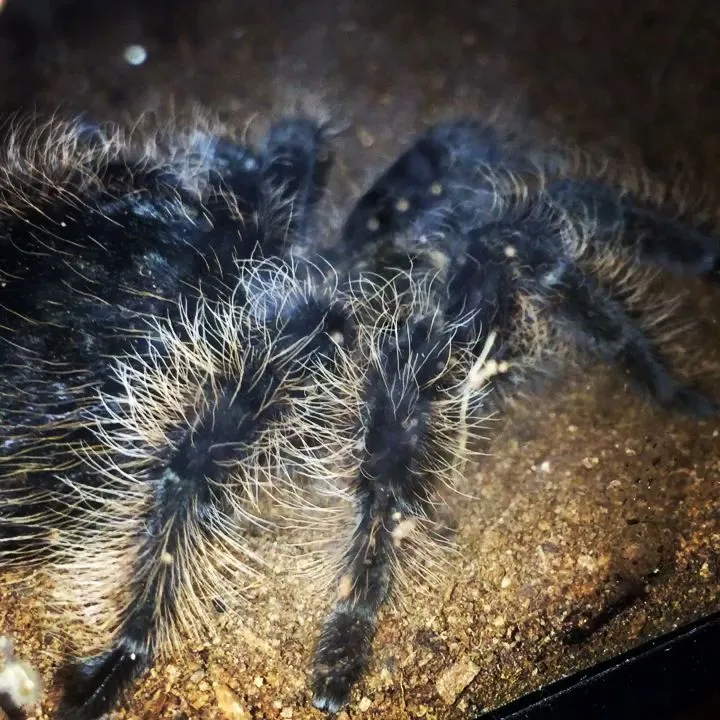
Tarantulas, with their mystique and fascinating behaviors, have captivated many, making them intriguing pets for the right owner. These arachnids are relatively low-maintenance compared to other pets, requiring less daily interaction and attention. Their quiet nature is appealing to those seeking a calm companion. The diverse range of species offers a wide array of colors, sizes, and temperaments, allowing potential owners to select a tarantula that fits their lifestyle and preferences. Moreover, the unique experience of observing these creatures feed, molt, and explore their environments is a constant source of wonder. For those with a penchant for the unusual and a respect for wildlife, a tarantula can be a rewarding pet. However, potential owners need to do their research and prepare to meet the specific needs of these amazing creatures.
Tarantula Habitats and Housing
Creating the right habitat is essential for a tarantula’s health and well-being. The enclosure should mimic the tarantula’s natural environment as closely as possible, providing a secure, comfortable, and enriching space. This includes choosing an appropriate size and type of enclosure, selecting the correct substrate, and regulating temperature and humidity levels. Remember that tarantulas are sensitive to changes in their environment, so consistency is key. The goal is to create a mini-ecosystem that allows your tarantula to thrive. Consider carefully the species-specific requirements of your tarantula when designing its habitat.
Ideal Enclosure Size

The size of the enclosure is crucial for the tarantula’s well-being. It needs enough space to move around, hunt, and establish a comfortable territory. A general guideline is that the enclosure should be at least twice the tarantula’s leg span in width and length. However, the height of the enclosure is species-dependent. Terrestrial species need less height than arboreal species, which require vertical space to climb and web. A cramped environment can stress the tarantula, leading to health issues and behavioral problems, while a too-large enclosure can make it difficult for the tarantula to find food. As your tarantula grows, you will need to upgrade its housing accordingly, ensuring it always has adequate space to thrive. Careful planning here can help in preventing issues later.
Substrate Selection
Choosing the right substrate is important for maintaining humidity, providing a burrowing medium for terrestrial species, and creating a natural-looking environment. Popular substrate choices include coconut fiber, peat moss, and a mixture of these with vermiculite or sphagnum moss. The substrate should be deep enough to allow the tarantula to burrow if it is a terrestrial species. It should also be able to retain moisture to help regulate humidity levels. Avoid using substrates that are toxic or can cause injury to the tarantula. Regular monitoring and maintenance of the substrate are necessary to prevent mold and bacterial growth, which can be harmful to your pet. The right choice of substrate can also significantly improve your tarantula’s happiness.
Temperature and Humidity
Maintaining the correct temperature and humidity levels is critical for your tarantula’s health. Most species thrive in temperatures between 75 and 85 degrees Fahrenheit (24 to 29 degrees Celsius). Use a thermometer to monitor the enclosure’s temperature. Humidity levels vary depending on the species; some require drier environments, while others prefer high humidity. Use a hygrometer to measure humidity. You can increase humidity by misting the enclosure with water or providing a water dish. Ventilation is also important to prevent mold growth. Make sure that the enclosure has proper airflow to regulate humidity and prevent health problems. Monitoring and adjusting environmental conditions will ensure a healthy and comfortable habitat for your pet tarantula.
Feeding Your Tarantula
Feeding is one of the most engaging aspects of tarantula ownership. Understanding your tarantula’s dietary needs is essential for its health and growth. Tarantulas are primarily insectivores, meaning they eat insects. The type and size of insects you offer should match the tarantula’s size. Regular feeding is important, but it’s equally important not to overfeed. It can lead to health problems. Observation and adjustments based on your pet’s behavior will ensure you’re feeding it the right amount. Knowing your tarantula’s specific needs ensures its well-being. Always provide fresh water to your tarantula.
What Tarantulas Eat
The diet of a tarantula typically consists of insects such as crickets, mealworms, roaches, and even small vertebrates like pinkie mice for larger species. The specific type of food depends on the tarantula’s size, age, and species. Always ensure that the insects are gut-loaded (fed a nutritious diet) before offering them to your tarantula. This ensures your pet gets the maximum nutritional value. Avoid feeding wild-caught insects, as they may carry parasites or pesticides that can harm your tarantula. The size of the prey should be appropriate, generally no larger than the tarantula’s body length. Proper food choice is vital for a healthy tarantula.
Feeding Frequency
Feeding frequency varies depending on the tarantula’s age and species. Juvenile tarantulas generally need to be fed more frequently, often two to three times a week. Adult tarantulas, on the other hand, can often be fed once a week or even less. Overfeeding can lead to health issues. Observe your tarantula’s feeding habits. If it stops eating, it may be preparing to molt or could have other health issues. Always remove any uneaten prey within 24 hours to prevent stress on the tarantula. Adjust the feeding schedule based on the tarantula’s appetite and overall health. Monitor the abdomen size, a swollen abdomen indicates a well-fed tarantula.
Watering Needs

Providing clean water is vital for your tarantula’s hydration. The method for providing water depends on the size and species of the tarantula. Small tarantulas can drink from a shallow water dish, while larger ones may require a larger dish or even a water bowl. Ensure the water dish is shallow enough to prevent drowning. Regularly refill the water dish with fresh, clean water. Misting the enclosure can also help maintain humidity and provide an additional source of water for the tarantula. Make sure that the misting doesn’t create too much humidity as well. Keeping the water fresh and clean is essential to your tarantula’s health.
Tarantula Species for Beginners
Choosing the right tarantula species is crucial for first-time owners. Some species are more docile, easier to care for, and less likely to bite. Researching different species and their specific needs will help you make an informed decision. Factors to consider include size, temperament, venom potency, and habitat requirements. Before purchasing a tarantula, familiarize yourself with its needs and behaviors. Starting with a more manageable species allows you to gain experience and build your confidence in caring for these amazing creatures. By choosing the right species, you set yourself up for a rewarding experience.
Popular Tarantula Choices
Several tarantula species are particularly well-suited for beginners due to their relatively docile temperaments and ease of care. The Chilean Rose Hair tarantula (Grammostola rosea) is a popular choice because it’s generally calm, slow-moving, and relatively hardy. The Pinktoe tarantula (Avicularia avicularia) is another option, known for its vibrant colors and arboreal lifestyle. The Mexican Red Knee tarantula (Brachypelma hamorii) is also a good choice, with its striking appearance and calm nature. However, it’s important to remember that individual tarantulas can vary in temperament, regardless of species. Do your research before adopting any species to be completely aware of all the needs for your new pet.
Easy to Care For

Ease of care is a significant factor in choosing a tarantula. Look for species that tolerate a wider range of temperatures and humidity levels. Species that are less prone to stress and have a more relaxed temperament are easier to handle (though handling is generally not recommended). Species that have predictable feeding habits and that thrive on a basic diet of readily available insects are also ideal. Research the species’ molting cycle. Some species molt more frequently than others. Choosing a low-maintenance species will make your entry into tarantula ownership less daunting.
Tarantula Handling Safety
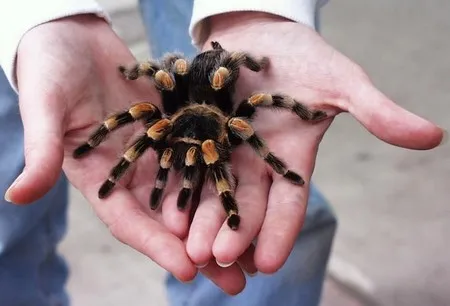
While tarantulas are not typically aggressive, handling them carries some risks. Tarantulas can bite if they feel threatened, and their bites can be painful, although rarely dangerous to humans. Handling can also stress the tarantula, potentially leading to health problems or behavioral changes. It’s best to avoid handling tarantulas unless absolutely necessary, such as during enclosure cleaning or health checks. If you must handle your tarantula, do so with caution and follow all the safety guidelines to ensure the safety of both you and your pet. If you choose to handle, never force interaction and always be prepared to drop the tarantula if it gets agitated or you feel unsafe.
Minimizing Risk
The best way to minimize risks associated with tarantula handling is to avoid it whenever possible. However, if handling is unavoidable, take several precautions. Always handle the tarantula over a soft surface, such as a bed or carpet, in case it falls. Avoid sudden movements that could startle the tarantula. Wash your hands thoroughly before and after handling to avoid transferring chemicals or odors that could stress the tarantula. If you must handle, always know your tarantula’s temperament and watch for signs of stress. Be patient and gentle. Never underestimate your tarantula’s speed and reflexes. The most important step is to keep interactions minimal to prevent accidental harm.
Recognizing Stress Signs

Tarantulas can display several signs of stress that can indicate it is not happy with the current situation. Learning to recognize these signs can help you avoid unnecessary stress to your pet. Common stress signs include erratic movements, defensive postures (such as raising their front legs), flicking hairs from their abdomen (a defense mechanism), hissing, and biting. If you observe any of these signs, immediately stop handling the tarantula and allow it to return to its enclosure. Understanding tarantula behavior will help you identify when it feels threatened or uncomfortable. Regular observation of your pet will enhance your ability to keep your pet safe and happy.
Health and Veterinary Care
While tarantulas are generally hardy, they can still get sick or injured. Knowing how to recognize and address health issues is vital for responsible ownership. Providing a clean and properly maintained environment, feeding a balanced diet, and avoiding unnecessary stress are all essential for preventing health problems. However, it’s important to be prepared to seek veterinary care when needed. Identifying a veterinarian experienced with exotic animals will prepare you for potential issues. Early intervention can often make a significant difference in the outcome of health issues.
Common Health Issues
Several health issues can affect tarantulas. These issues often stem from poor husbandry practices. Common problems include parasites, fungal infections, and injuries from falls or bites. Respiratory infections can occur if humidity levels are too high. Bacterial infections can result from poor enclosure hygiene. Make sure your tarantula’s environment is clean and maintained. If your tarantula shows signs of illness, such as lethargy, loss of appetite, or unusual behaviors, consult with a veterinarian experienced in exotic animal care. Early detection and treatment are vital for successful outcomes.
Finding an Exotic Vet

Finding a veterinarian experienced in treating exotic animals is a must before you bring your tarantula home. Not all vets are familiar with the specific health needs of tarantulas. Start your search by asking for recommendations from other tarantula owners or pet stores that specialize in exotic animals. Search online directories of exotic animal veterinarians. When you find a potential vet, call their office to inquire about their experience with tarantulas and their availability for appointments. Ensure the vet is willing and able to provide the care your tarantula may need. Having a vet lined up can make the process much easier should your tarantula ever need it. Do not wait until it is an emergency to seek a veterinarian.
Tarantula Care 101 Amazing Facts Conclusion
Caring for a tarantula can be a rewarding experience, offering a unique opportunity to observe and appreciate the marvels of the natural world. By understanding their basic needs, including proper housing, feeding, and handling, you can ensure your pet’s well-being and enjoy a fascinating relationship with these amazing creatures. Remember that research and preparation are key to successful tarantula ownership. With careful planning and a commitment to providing the best possible care, you can enjoy the company of these amazing arachnids. Always prioritize your pet’s health and well-being. Enjoy the experience of having a tarantula as a pet.