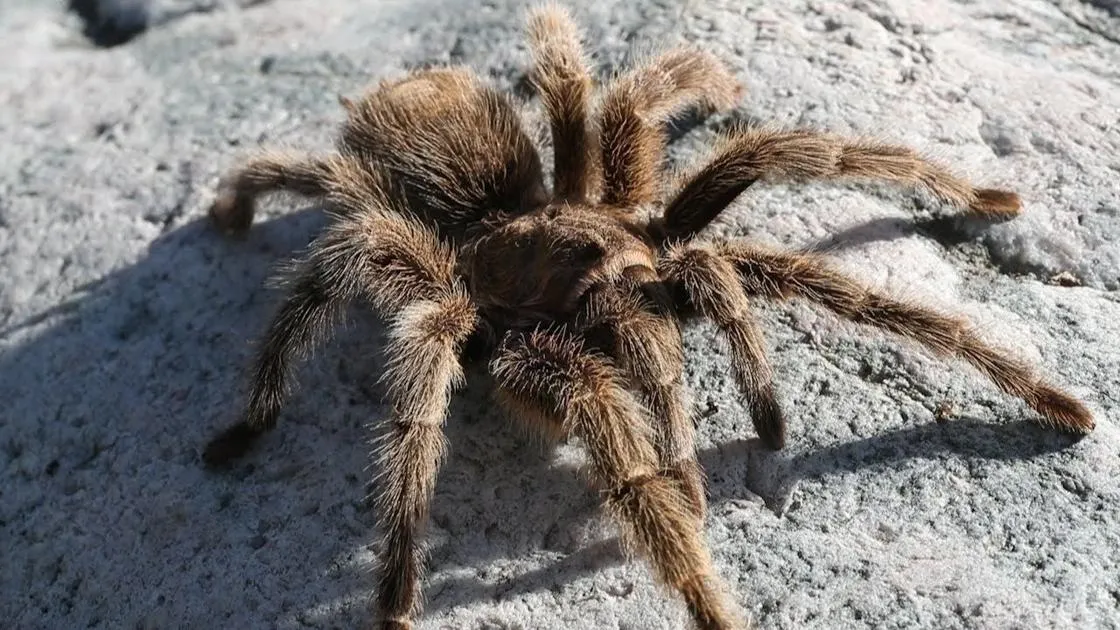
A tarantula bite can be a startling experience for a pet owner. While most tarantula bites are not life-threatening, they can be painful and cause a range of unpleasant symptoms. Knowing how to react quickly and effectively is crucial for minimizing discomfort and preventing complications. This guide provides essential information on what to do if your pet tarantula bites you, from understanding the bite to taking immediate first aid steps, recognizing serious symptoms, and preventing future incidents.
Understanding Tarantula Bites
Tarantulas, despite their intimidating appearance, are not typically aggressive. Bites usually occur when a tarantula feels threatened, startled, or mishandled. These bites are a form of defense, and the severity can vary depending on the species of tarantula, the amount of venom injected (if any), and the individual’s sensitivity. It’s important to approach the situation calmly and understand the basics of what has happened. Many species have less potent venom than others, and in some cases, the bite might be a dry bite, meaning no venom is released.
The Immediate Aftermath
The immediate aftermath of a tarantula bite can be unsettling. The initial sensation is often a sharp, stinging pain, similar to a bee sting. The area around the bite may quickly become red and swollen. Some people experience mild to moderate pain that subsides within a few hours, while others may experience more intense pain and prolonged discomfort. It is essential to remain calm and assess the situation without panicking. Take a deep breath and begin evaluating the area.
Identifying the Bite and Symptoms

Identifying the bite itself can be straightforward, look for two small puncture wounds, often quite close together. Common symptoms include localized pain, redness, swelling, and itching. These symptoms usually appear within minutes of the bite and can last for several hours or even a day or two. More severe reactions are rare but can include muscle cramps, nausea, vomiting, and difficulty breathing. These symptoms require immediate medical attention. Understanding the common signs and symptoms can help you assess the severity of the bite and determine the appropriate course of action. (Image: tarantula-identification)
First Aid Steps to Take Immediately
Reacting quickly with the right first aid can significantly reduce discomfort and potential complications. The primary goal is to clean the wound, alleviate pain, and monitor for any signs of a more severe reaction. Keeping a level head and following these steps can make a big difference in managing the situation effectively. Knowing what to do immediately after a bite is vital for your safety and peace of mind. (Image: first-aid-tarantula-bite)
Cleaning the Wound
The first and most important step is to clean the wound thoroughly. Wash the bite area gently with mild soap and water. This helps remove any venom or irritants and minimizes the risk of infection. Avoid harsh chemicals or rubbing the area vigorously, as this could exacerbate the irritation. Pat the area dry with a clean cloth or sterile gauze. Ensuring the area is properly cleaned reduces the chances of secondary infections, making this step critical in the immediate aftermath.
Applying First Aid

After cleaning the wound, apply a cold compress or ice pack to the bite area. This helps reduce swelling and pain. Elevate the affected limb if possible, to minimize swelling. Over-the-counter pain relievers, such as ibuprofen or acetaminophen, can help manage the pain. Monitor the bite area for any signs of infection, such as increased redness, warmth, or pus. Keep a close eye on any developing symptoms. (Image: cleaning-tarantula-bite)
When to Seek Medical Attention
While most tarantula bites do not require medical attention, it is essential to know when to seek professional help. Recognizing serious symptoms and acting quickly can be life-saving in rare cases. Do not hesitate to consult with a doctor or seek immediate medical care if you experience severe symptoms. Early intervention can significantly improve outcomes and ensure your safety. (Image: tarantula-bite-symptoms)
Recognizing Serious Symptoms
Serious symptoms that warrant immediate medical attention include difficulty breathing, chest pain, severe muscle cramps, persistent nausea or vomiting, dizziness, and loss of consciousness. These symptoms may indicate a more severe reaction to the venom or an allergic reaction. Other signs to watch for are a rapid heartbeat, swelling of the face or throat, and any other systemic symptoms. If any of these symptoms develop, seek medical attention immediately; time is of the essence.
Seeking Professional Medical Help

If you experience any serious symptoms or are concerned about the bite, it is essential to seek medical help promptly. Go to your nearest emergency room or urgent care facility. Describe the incident, including the type of tarantula if known, and the symptoms you are experiencing. The medical professional will be able to assess the situation and provide appropriate treatment, which may include medications to manage pain, allergic reactions, or any other complications. Always err on the side of caution when it comes to serious health concerns.
Preventing Future Bites
Preventing tarantula bites involves creating a safe environment for both you and your pet and following proper handling techniques. Understanding tarantula behavior and creating a safe environment is key to reducing the risk of bites. Responsible pet ownership means taking proactive steps to minimize potential hazards. Knowing and implementing these preventative measures will help you enjoy a safer and more positive experience with your tarantula. (Image: safe-tarantula-handling)
Creating a Safe Environment
Ensure your tarantula’s enclosure is secure and properly maintained. Avoid placing the enclosure in high-traffic areas or where it might be accidentally bumped or knocked over. Provide a comfortable and enriching environment for your tarantula, which can reduce stress and the likelihood of defensive behavior. Make sure the enclosure is appropriately sized, with adequate substrate, hiding places, and water. A happy and secure tarantula is less likely to bite. (Image: tarantula-safe-environment)
Proper Handling Techniques

When handling your tarantula, do so with extreme caution and only when necessary. Always handle your tarantula over a soft surface, such as a bed or a carpet, in case it falls. Avoid sudden movements or loud noises that could startle the tarantula. Never handle a tarantula if you are unsure of its temperament or if it appears agitated. Use a long, soft brush to gently guide the tarantula if you need to move it, instead of using your hands directly. This helps to minimize the risk of bites and allows for a safer interaction. Always wash your hands thoroughly before and after handling your pet.
Understanding Tarantula Behavior
Learn to recognize the signs of stress or aggression in your tarantula. Tarantulas may display certain behaviors, such as rearing up on their hind legs, raising their front legs, or flicking their legs, as a warning before biting. Avoid any actions that might provoke the tarantula, such as sudden movements, tapping on the enclosure, or disturbing it while it is eating or molting. Observe and learn the individual personality of your tarantula, as some are more docile than others. Understanding your tarantula’s behavior can help you anticipate potential issues and take preventive measures.
Frequently Asked Questions
Here are some frequently asked questions about tarantula bites to provide clarity and guidance. These address common concerns and offer additional information to help you handle the situation effectively.
What if the Tarantula is Venomous

Most tarantulas are venomous, but the venom is generally not considered highly toxic to humans. The effects can vary, but typically include localized pain, redness, and swelling. In rare cases, there may be more severe symptoms, such as muscle cramps, nausea, or difficulty breathing. If you are bitten by a venomous tarantula, follow the first aid steps and seek medical attention if you experience severe symptoms. Always err on the side of caution and monitor your body’s reaction. (Image: tarantula-bite-owner)
How Long Does It Take to Recover
Recovery time from a tarantula bite can vary. For most people, the pain and swelling subside within a few hours or a day or two. In rare cases, it may take longer, especially if there are more severe symptoms. Monitor the bite area and your overall health, and seek medical attention if you experience prolonged discomfort or any concerning symptoms. Following the appropriate first aid and medical advice will help speed up the recovery process.
Can Tarantula Bites Be Fatal
Tarantula bites are rarely fatal to humans. Most bites result in mild to moderate symptoms, similar to a bee sting. However, allergic reactions or rare complications can occur. If you experience severe symptoms, such as difficulty breathing or chest pain, seek immediate medical attention. While the risk of a fatal bite is extremely low, it is essential to take all bites seriously and act accordingly. Always consult a medical professional if you have any concerns.
In conclusion, a tarantula bite can be a distressing experience, but with quick action and the right knowledge, you can manage the situation effectively. By understanding the signs, symptoms, and first aid steps, you can minimize discomfort and prevent complications. Remember to prioritize safety, seek medical attention when necessary, and take preventive measures to ensure a safe and enjoyable experience with your pet tarantula. Proper care, handling, and vigilance are key to a healthy and positive relationship with your exotic pet.