Tarantula Bite Fangs Top 5 Shocking Facts
Tarantulas, with their imposing size and hairy bodies, often evoke a mix of fascination and fear. While these arachnids are not typically aggressive, the thought of their bite, and the associated fangs, can be unsettling. This article delves into the world of tarantula bite fangs, providing a comprehensive understanding of their anatomy, the impact of their bite, and some surprising facts. Whether you’re an arachnid enthusiast or simply curious, prepare to uncover some shocking truths about these intriguing creatures. The goal is to provide informative insights and help you understand how to avoid them or treat them.
The Anatomy of a Tarantula Fang
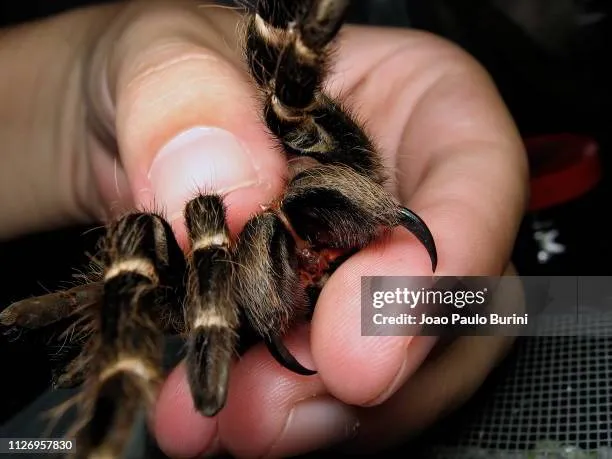
Understanding the anatomy of a tarantula fang is crucial to grasping the mechanics of a bite. Tarantulas possess two fangs, or chelicerae, located at the front of their head, that are used for both defense and to capture and subdue prey. These fangs are not like needles; instead, they are more like curved, hollow structures. The size of the fangs varies depending on the species and the individual tarantula’s size, with some species having fangs that can reach up to an inch in length. The fangs are connected to venom glands, allowing the tarantula to inject venom into its target. The tarantula’s bite isn’t just about piercing the skin; it’s a complex process of venom delivery facilitated by these specialized structures. It’s important to know this to understand what’s happening during a tarantula bite.
Fang Structure and Function

The structure of a tarantula’s fang is perfectly adapted for its hunting and defensive needs. The fang’s sharp, curved shape is designed to penetrate the skin and hold onto the prey, preventing it from escaping. Inside the fang, a channel or groove leads to the venom gland. When a tarantula bites, it uses its muscles to squeeze the venom gland, forcing the venom down the channel and into the bite wound. The entire structure, from the fang’s tip to the venom gland, works in synergy to deliver the venom effectively. Different species have slight variations in fang shape and size, reflecting their evolutionary adaptations to their specific prey and environments. The precision and efficiency of this system highlights the remarkable adaptations of these creatures.
Venom Delivery System
The venom delivery system of a tarantula is a fascinating process. When a tarantula bites, it uses its fangs to pierce the skin and inject venom. The venom is produced in glands located in the chelicerae and is a complex mixture of enzymes, toxins, and other substances. These substances serve several purposes. Some break down the tissues of the prey, making it easier for the tarantula to consume. Others affect the nervous system, paralyzing the prey. The amount of venom injected can vary depending on the tarantula’s size, the species, and the perceived threat. This precise control over venom delivery ensures effective predation and defense. The components of the venom vary between species. The venom isn’t typically life-threatening to humans, the effects can still be unpleasant.
The Impact of a Tarantula Bite
The impact of a tarantula bite on humans can vary significantly. While tarantula venom is generally not as potent as that of other venomous creatures, such as snakes, the bite can still cause discomfort. The severity of the reaction depends on several factors, including the species of the tarantula, the amount of venom injected, the individual’s sensitivity, and the location of the bite. The bite itself can be painful due to the size of the fangs and the puncture wound. In most cases, the effects are localized, meaning they are limited to the area around the bite. However, some individuals may experience more systemic reactions, highlighting the importance of understanding the potential risks. The bite isn’t always the worst thing that could happen; it depends on the circumstances.
Pain and Physical Symptoms

The primary physical symptom of a tarantula bite is pain. The intensity of the pain can range from a mild sting to a more intense throbbing sensation. Other common symptoms include redness, swelling, and itching at the bite site. Some individuals may also experience muscle cramps, nausea, and, in rare cases, difficulty breathing. The duration of these symptoms varies. Some people experience symptoms for a few hours, while others may experience them for several days. The physical symptoms result from the venom’s effects on the tissues and the body’s inflammatory response. Keeping the area clean and cool is important for managing physical symptoms. Paying attention to how your body reacts is also important.
Allergic Reactions and Risks
While rare, some individuals may have an allergic reaction to a tarantula bite. An allergic reaction can occur when the immune system overreacts to the venom, releasing chemicals that cause a range of symptoms. Symptoms of an allergic reaction can include hives, swelling of the face or throat, difficulty breathing, and dizziness. Severe allergic reactions can be life-threatening and require immediate medical attention. In addition to allergic reactions, there is a risk of secondary infections at the bite site. Because the fangs pierce the skin, bacteria can enter the wound and cause an infection. This risk is higher if the bite is not cleaned properly or if the individual has a compromised immune system. Always consult a medical professional in case of bite.
Severity Factors in Bites
Several factors can influence the severity of a tarantula bite. The species of tarantula is a key factor, as some species have more potent venom than others. The size of the tarantula also plays a role, as larger tarantulas typically inject more venom. The amount of venom injected during the bite can also vary, with some bites delivering more venom than others. The individual’s health and sensitivity are other key factors. People with underlying health conditions or those allergic to the venom may experience more severe reactions. The location of the bite can also be a factor. Bites on sensitive areas, such as the face or neck, may cause more swelling and discomfort. Prompt medical attention is important when dealing with the more severe bites.
Top 5 Shocking Facts About Tarantula Bite Fangs

Fact 1 The Size of the Fangs
The sheer size of some tarantula fangs is astonishing. Some species have fangs that can reach over an inch in length, making them some of the largest fangs of any spider species. This size is a stark reminder of the tarantula’s predatory nature. These fangs are not just for injecting venom; they are also used to grasp and crush prey. While this is an interesting piece of information, it is important to keep in mind how the fangs function. The size is intimidating, but they usually aren’t fatal to humans.
Fact 2 Venom Toxicity Levels
The toxicity levels of tarantula venom vary across species. Contrary to popular belief, tarantula venom is generally not highly toxic to humans. The venom of most tarantula species is considered to be of low medical significance. Some bites may cause localized pain and swelling, but serious systemic reactions are rare. This is not to say that all tarantula bites are harmless. The venom still contains toxins that can affect the body, but it is not typically life-threatening. Always seek medical advice if you have any concerns about a bite.
Fact 3 The Bite Mechanism

The bite mechanism itself is a remarkable feat of arachnid engineering. Tarantulas do not simply bite; they strike with precision and speed. When a tarantula bites, it rapidly drives its fangs into the target, injecting venom in the process. The fangs are designed to penetrate the skin and hold onto the prey. The bite mechanism is usually accompanied by a rapid contraction of the muscles that control the fangs, delivering the venom. The entire process is incredibly quick. The mechanism shows how well tarantulas are built to hunt. You can protect yourself by being aware of the mechanism and keeping a safe distance.
Fact 4 Potential for Secondary Infections
One of the more concerning aspects of a tarantula bite is the potential for secondary infections. Because the fangs pierce the skin, bacteria can enter the wound, leading to an infection. This risk is increased if the bite is not cleaned properly or if the individual has a compromised immune system. Infections can cause a range of symptoms, including increased pain, swelling, redness, and pus. In severe cases, the infection can spread to other parts of the body. Proper wound care, including cleaning the bite site with soap and water, is essential to prevent infection. In some cases, antibiotics may be necessary to treat an infection. Seek medical help in case of infection.
Fact 5 The Psychological Impact
Beyond the physical effects, the psychological impact of a tarantula bite can be significant. Many people have a natural fear of spiders, and the thought of being bitten by a tarantula can be terrifying. The fear can lead to anxiety, panic, and other psychological distress. In some cases, the psychological impact can be more severe than the physical symptoms. It is essential to acknowledge the psychological effects of a bite and seek support if needed. Talking to a healthcare professional, a therapist, or someone you trust can help you cope with the fear and anxiety associated with a tarantula bite. Remember, tarantula bites, while unpleasant, are rarely life-threatening, and with proper care, recovery is possible. Don’t let fear get the best of you; seek medical help if needed.
Comparing Tarantula Bites to Other Bites

Understanding how tarantula bites compare to other bites can provide valuable context. This comparison helps to highlight the specific risks and challenges associated with tarantula bites. It allows for a better understanding of the severity of the bite. It also helps to highlight the need for rapid medical assistance in serious cases. This comparison is helpful because it provides a clearer picture of what you may be dealing with. It can also lead to more informed decisions when dealing with a bite.
Tarantula vs Spider Bites
When comparing tarantula bites to other spider bites, there are important distinctions. Tarantulas, despite their size, are generally less venomous than many other spiders. The venom of most tarantula species is not considered medically significant. In contrast, some spiders, such as black widows and brown recluse spiders, have much more potent venom that can cause serious health problems. The symptoms of a tarantula bite are typically less severe than those caused by other spider bites. They are often limited to localized pain, swelling, and redness. Other spider bites can cause a range of systemic symptoms. This makes it important to differentiate between these bites and to seek medical help. Learn how to identify spiders in your area, but don’t try to handle any spider.
Tarantula vs Insect Bites
Comparing tarantula bites to insect bites also provides valuable insight. Insect bites, such as those from mosquitoes, bees, and wasps, are common, and their effects can vary. The venom in insect bites can cause localized pain, itching, and swelling, similar to tarantula bites. However, insect bites can also cause allergic reactions in some individuals, leading to more severe symptoms. Tarantula bites, while potentially painful, are less likely to cause a severe allergic reaction. The primary concern with tarantula bites is the physical trauma caused by the fangs and the potential for secondary infections. If you’re dealing with a bite, consider the source and the potential dangers. The best approach is always to seek medical advice when you’re unsure.
First Aid and Treatment for Tarantula Bites

Knowing how to provide first aid and treatment for a tarantula bite is essential. Immediate action can help to minimize the effects of the bite and prevent complications. Following these steps can help to ensure the best possible outcome. Keep in mind that you should seek medical attention if there are any signs of an allergic reaction or if symptoms worsen. Proper treatment is important, as is understanding the situation. These steps can make a difference between a small problem and a serious issue.
Immediate Actions to Take
The first steps to take after a tarantula bite involve immediate first aid. First, calmly assess the situation and move away from the area where the bite occurred. Second, clean the bite site thoroughly with soap and water to reduce the risk of infection. Apply a cool compress to the area to help reduce pain and swelling. Elevate the affected limb if possible. Monitor the individual for any signs of an allergic reaction, such as difficulty breathing, swelling of the face or throat, or hives. If any of these symptoms occur, seek immediate medical attention. Note the details of the bite, including the time it occurred and the species of the tarantula if you know it. These actions can help minimize the effects of the bite and promote healing.
When to Seek Medical Attention
It is important to know when to seek medical attention after a tarantula bite. If the individual shows signs of an allergic reaction, such as difficulty breathing, swelling of the face or throat, or hives, call emergency services immediately. Also, seek medical attention if the symptoms worsen or do not improve after a few days. If there are signs of infection, such as increased pain, swelling, redness, or pus at the bite site, medical care is necessary. If you are concerned about the bite or are unsure about the severity, do not hesitate to seek medical advice. A healthcare professional can properly assess the situation and provide the appropriate treatment. Prompt medical attention can help prevent complications and promote a faster recovery.
Long-Term Effects and Recovery
In most cases, the long-term effects of a tarantula bite are minimal. The bite site may remain slightly tender for a few days or weeks, but it usually heals without complications. The recovery process involves rest, proper wound care, and monitoring for any signs of infection. Avoid scratching the bite site, as this can increase the risk of infection. If the bite was more severe or if complications occurred, the recovery may take longer. Following the advice of a healthcare professional is essential to ensure a smooth and complete recovery. In rare cases, there may be some long-term scarring or discoloration at the bite site. However, with proper care and medical attention, the vast majority of people fully recover from a tarantula bite. The recovery is possible with proper care and attention.