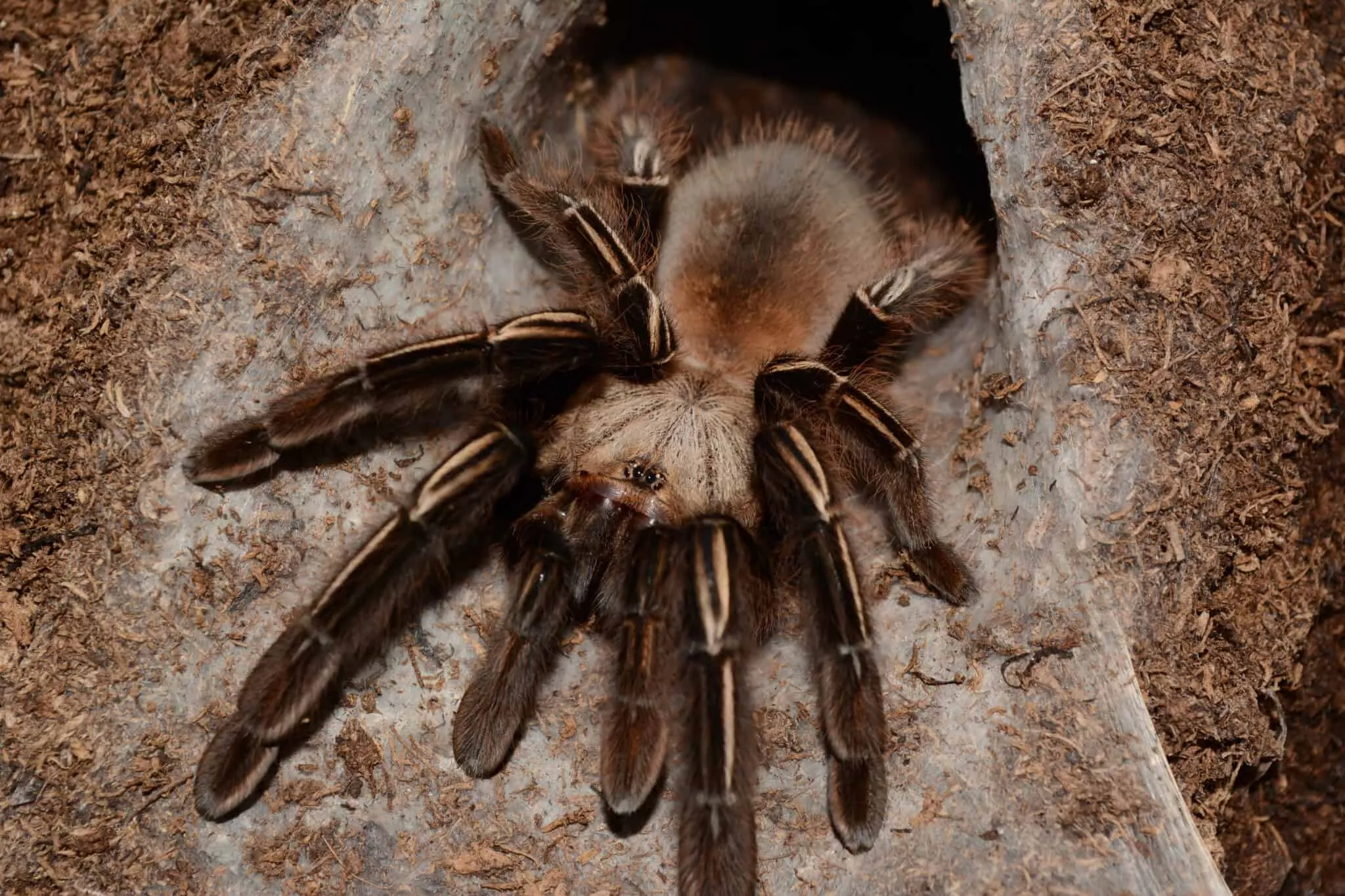
The Tarantula Birth Secrets Unveiled
The birth of a tarantula is a fascinating process, far removed from the simplistic view of an insect hatching from an egg. It’s a carefully orchestrated series of events, starting with elaborate courtship rituals and culminating in the emergence of tiny spiderlings. Understanding how a tarantula is born is crucial to appreciate these amazing creatures, their life cycle, and the challenges they face. This journey of life begins with the mating ritual, then progresses through egg sac creation, spiderling development, and finally, the molting process. Each step is a critical phase in the tarantula’s journey to adulthood, filled with wonder and unique adaptations for survival. Let’s explore the fascinating details of this captivating process.
The Mating Ritual
Before a tarantula can be born, the parents must mate. Tarantula mating is a delicate and sometimes dangerous dance, governed by instinct and survival. The male tarantula must carefully approach the female, who is often significantly larger and potentially predatory. The success of this encounter hinges on the male’s ability to signal his intentions and avoid becoming a meal. Mating is crucial to the tarantula lifecycle because it’s the only way that the female tarantula can produce a viable egg sac, a critical step in the cycle of life. Without successful mating, there are no spiderlings, no future generations, and the species survival is at risk. The intricate details of this mating ritual are a testament to the complexity of tarantula behavior and their evolutionary adaptations.
Male Tarantula Courtship

The male tarantula’s courtship display is a marvel of evolutionary adaptation. He approaches the female cautiously, often drumming on the ground with his pedipalps (small leg-like appendages near the mouth) to signal his presence and intentions. This drumming creates vibrations that the female can detect, communicating that he is a potential mate and not a threat. The male’s courtship display is a matter of life and death, making sure that he does not trigger a predatory response. The male usually has modified pedipalps, sometimes with hooks, used to hold the female’s fangs away during mating. These elaborate mating displays are essential to communicate species-specific information, as well as allowing the female to assess the male’s suitability.
The Role of the Female
The female tarantula plays a critical role in the mating process, not just as the recipient of the male’s advances. She must decide whether or not to accept the male, a decision influenced by factors like her hunger, readiness to mate, and the male’s courtship display. If she accepts, she allows the male to mate, a process during which he deposits sperm into her reproductive organs. After mating, the female stores the sperm, using it later to fertilize her eggs. The female’s role is critical in determining the future success of the tarantula population. Her decision is paramount in the survival of the species, and the quality of her care directly influences the survival rate of her offspring.
Egg Sac Creation
Once the female tarantula has stored the sperm, she begins to create an egg sac. This process involves the female producing a silken sac, which she fills with hundreds or even thousands of eggs. The creation of the egg sac is a meticulous process, with the female carefully arranging the eggs within the silk. The egg sac serves as a protective environment for the developing eggs. The female then carefully seals the sac to protect the eggs from the elements, predators, and other dangers. The entire creation is made of silk, and the female will spend considerable time and energy in protecting it. This egg sac creation is a crucial step in the tarantula birth process, ensuring the survival of the next generation.
The Purpose of the Egg Sac

The egg sac is an essential structure for the survival of tarantula eggs. It provides a safe, controlled environment, protecting the eggs from predators, harsh weather conditions, and desiccation. The silk of the egg sac is designed to be durable and resistant to environmental factors. The egg sac also regulates temperature and humidity, creating the optimal conditions for the eggs to develop properly. By creating this protective barrier, the female tarantula increases the chances of her offspring’s survival, ensuring the continuity of the species. The egg sac is the womb of the tarantula world, nurturing the next generation.
Protecting the Eggs
Female tarantulas are incredibly protective of their egg sacs. They will often carry the egg sac with them, guarding it against potential threats. This protective behavior varies between species, but the instinct to protect their eggs is very strong. The female will frequently turn and tend to the egg sac, ensuring that it remains safe and in the right environmental conditions. This behavior highlights the maternal instincts of these arachnids and underscores the importance of parental care in the tarantula life cycle. The level of care and protection directly affects the number of spiderlings that hatch, a crucial factor in the population’s growth and survival.
Spiderling Development
Inside the egg sac, the eggs undergo a remarkable transformation, developing into tiny spiderlings. This process is influenced by a variety of factors, including temperature, humidity, and the quality of the eggs themselves. The spiderlings go through several molts while inside the egg sac, growing larger and more complex. Once the spiderlings are fully developed, they hatch, ready to face the world. Spiderling development is a critical period. Any interruption or environmental change may negatively affect the offspring’s chance to survival. The egg sac provides a controlled environment, but the spiderlings’ future health and survival depend on factors that the female cannot always control. The success of the spiderlings is determined by genetics, maternal care, and the conditions of their environment.
The Hatching Process

The hatching process is a crucial moment in the tarantula’s life cycle. When the spiderlings are ready, they emerge from the eggs and begin to live in the egg sac. The process varies by species, but generally, the spiderlings are initially quite small and vulnerable. They rely on the resources within the egg sac for a short time. Soon after hatching, they molt for the first time, which signals the beginning of their independent life. The hatching process marks the transition from the protected environment of the egg sac to the challenges of the outside world. It’s a time of both vulnerability and incredible potential, as the spiderlings begin to explore their surroundings and learn how to survive.
Initial Stages of Growth
After hatching, the spiderlings begin their initial growth phase. This phase is critical for their survival, as they need to develop quickly and learn essential survival skills. The spiderlings often remain in the vicinity of the egg sac, benefiting from the protection of their mother. They molt several times during this stage, shedding their exoskeletons as they grow. During the initial stages, they start practicing hunting and learn how to navigate their environment. The environment they live in provides the foundation for their future and survival. The initial stages of growth are characterized by rapid development, adaptation, and the acquisition of the skills necessary for an independent life.
Spiderling Care and Dispersal
Once the spiderlings have developed sufficiently, they must disperse to find their own territories. This dispersal process is essential for avoiding competition and ensuring that they have access to food and other resources. The dispersal strategy varies significantly across different species, often influenced by the spiderlings’ size, habitat, and other environmental factors. Caring for the young and spiderling dispersal are critical phases. The success of the tarantula birth process depends on the interplay of genetic predispositions, environmental factors, and maternal care.
Caring for the Young

While many tarantula species do not exhibit extensive parental care beyond guarding the egg sac, some do provide further care for their young. This can include protecting the spiderlings from predators or providing them with food. The mother’s level of care has a direct impact on the survival rate of the spiderlings. Spiderlings that receive more parental care are more likely to survive their early stages of life. Maternal care in tarantulas is an interesting example of how animals can evolve to increase their offspring’s chances of survival.
Spiderling Dispersal Strategies
Spiderlings use various strategies to disperse from their birth site. Some species may remain in the general area and compete, while others will move significant distances. The most common dispersal method is for the spiderlings to venture out on their own, often carried by the wind or other environmental factors. The ability of the spiderlings to successfully disperse is a crucial factor in the population’s ability to colonize new areas and thrive. Dispersal is a dangerous journey, and only a fraction of the spiderlings will survive to establish new territories.
Molting and Maturation
Molting is an essential process in the tarantula’s life cycle, enabling growth and maturation. The tarantula, like other arthropods, has an exoskeleton that cannot grow. Therefore, it must shed this exoskeleton periodically to allow its body to expand. This shedding is known as molting, or ecdysis. Molting is a delicate and vulnerable time for the tarantula, but it is also a critical process for growth and development. The frequency of molting decreases as the tarantula matures, with adults molting only once or twice a year, if at all. Molting is a recurring event that prepares the tarantula for the next stage of its life. The tarantula birth process is a journey, and molting is one of the essential stops along the way.
Understanding Molting

Molting is a complex process that requires a significant amount of energy. The tarantula first forms a new, soft exoskeleton beneath the old one. Then, it splits the old exoskeleton and gradually pulls itself out. After molting, the tarantula’s new exoskeleton is soft and vulnerable, and it needs time to harden. During this period, the tarantula is very susceptible to injury and predation. The molting process is a crucial survival skill for the tarantula. As the tarantula prepares for molting, it typically stops feeding and finds a safe, secluded location. The entire process can take several hours, or even days, depending on the size and age of the tarantula.
Reaching Adulthood
As the tarantula continues to molt, it gradually matures and develops the characteristics of an adult. This includes the development of reproductive organs and the ability to mate. The time it takes to reach adulthood varies depending on the species, but it can take several years. During this time, the tarantula is focused on growth, survival, and acquiring the skills necessary for its adult life. Reaching adulthood is a significant milestone in the tarantula’s life cycle. The tarantula can now participate in the reproductive cycle and continue the species. After reaching adulthood, the tarantula will shift its focus to mating, producing offspring, and ensuring the continuation of its genes.
Conclusion
The birth of a tarantula is a remarkable journey, starting with an elaborate mating ritual, moving through egg sac creation, spiderling development, and finally, culminating in the molting and maturation process. Each stage is a testament to the intricate life cycle of these fascinating creatures. The success of this process depends on a delicate interplay of genetic predisposition, environmental factors, and, in some cases, maternal care. Understanding how tarantulas are born, and their lifecycle, offers valuable insights into the evolution and survival strategies of these amazing arachnids. From the intricate courtship dances to the tender care provided by the female, the tarantula birth process is a captivating story of life, survival, and the continuation of species. The future of these creatures depends on our appreciation and understanding of the wonders of their world.