
What are Tarantulas?
Tarantulas are large, hairy spiders belonging to the Theraphosidae family. These fascinating arachnids are found in various habitats worldwide, from tropical rainforests to deserts. Known for their impressive size and sometimes intimidating appearance, tarantulas have captured the curiosity of both scientists and adventurers. Beyond their aesthetic appeal, they play a significant role in their ecosystems, primarily as predators. These spiders can live for many years, with females often outliving males, and they exhibit a range of behaviors from burrowing underground to hunting on the surface.
Brief Overview of Tarantulas
Tarantulas are characterized by their size, often having a leg span that can exceed 10 inches. They possess eight legs, two pedipalps (used for sensing and manipulating food), and eight eyes. Their bodies are covered in hairs, which can be urticating (causing irritation) in some species as a defense mechanism. Tarantulas are not typically aggressive, but they will bite if threatened. They primarily feed on insects, but larger species may also consume small vertebrates. Different species have adapted to various environments, showcasing a remarkable diversity in their appearance, behavior, and ecological roles.
Tarantula Habitats and Diet in the Wild

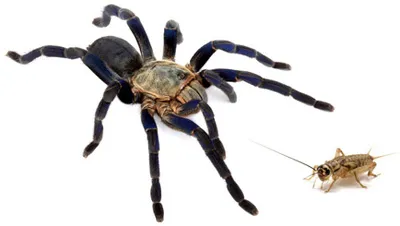
Tarantulas can be found across the globe, thriving in diverse habitats. They inhabit tropical rainforests, grasslands, deserts, and even suburban areas. Their diets consist mostly of insects, which they ambush or actively hunt. Crickets, grasshoppers, and beetles are common prey. Larger tarantulas may also prey on small lizards, rodents, and birds. The size of the tarantula determines the size of its meal. They inject venom to paralyze their prey, then use enzymes to digest the food externally before consuming the liquefied meal. The habitat impacts the color and size of the spider.
Fact 1: Nutritional Value of Tarantulas
Believe it or not, tarantulas can be a nutritious food source. They offer a unique combination of protein, essential amino acids, and various micronutrients. In cultures where they are consumed, tarantulas are seen as a sustainable and readily available food source, especially in areas where other sources of protein may be scarce. The nutritional profile varies depending on the species, diet, and preparation method, but generally, tarantulas provide a good source of protein and fat. They are also relatively low in carbohydrates.
Protein Content and Benefits
The high protein content in tarantulas is one of their most significant nutritional benefits. Protein is crucial for muscle building, tissue repair, and overall bodily function. Consuming tarantulas can contribute to a diet rich in essential amino acids, the building blocks of protein. This makes tarantulas a viable alternative protein source, particularly in regions where they are part of traditional diets. The protein content of tarantulas is comparable to that of other insects commonly eaten, highlighting their potential as a sustainable protein source.
Vitamins and Minerals in Tarantulas

Besides protein, tarantulas contain several vitamins and minerals essential for human health. They offer sources of iron, zinc, and other minerals, which are crucial for various bodily functions, including immune support and energy production. Additionally, tarantulas can contribute to vitamin intake, although the exact amounts vary depending on the species and diet. The specific micronutrient composition can be influenced by the spider’s diet. Consuming insects like tarantulas can support a more balanced diet, particularly in areas with limited access to diverse food sources.
Fact 2: Cultural Significance of Tarantula Consumption
Eating tarantulas isn’t a new trend; it’s a tradition in several cultures around the world. It is a part of the historical culinary landscape, reflecting the close relationship between local communities and their environment. Tarantula consumption has roots in survival, cultural practices, and even medicinal beliefs. Today, it is both a culinary and cultural experience. The way tarantulas are prepared and eaten reflects the resourcefulness and ingenuity of these communities. The cultural value goes hand in hand with the nutritional and practical aspects of the practice.
Tarantulas in Southeast Asian Cuisine
In Cambodia, particularly in the town of Skuon, deep-fried tarantulas are a popular and iconic snack. Often seasoned with salt, sugar, and garlic, they are considered a delicacy. These tarantulas are sourced from the local environment. The practice has evolved from times of food scarcity to a recognized part of the cultural identity of the region. They are a source of pride, drawing tourists and adventurous eaters alike. They offer a distinct flavor and texture and are available in local markets and restaurants.
Tarantulas in South American Cuisine

Indigenous communities in certain parts of South America also have a history of consuming tarantulas. They are often roasted or grilled, sometimes with the addition of local spices. The preparation methods vary by region and depend on the specific species available. The consumption of tarantulas often has deep cultural roots, passed down through generations. The practice is tied to traditional beliefs about nutrition, sustainability, and the use of available resources.
Fact 3: Safety Considerations for Eating Tarantulas
Eating tarantulas carries some safety considerations. Understanding how to prepare them correctly is important. Proper sourcing is crucial to avoid consuming species that may be toxic or carrying parasites. Thoroughly cooking tarantulas is critical to eliminate any potential health risks from bacteria or other organisms. Individuals with allergies to shellfish might also experience allergic reactions, as insects share similarities with crustaceans. Being aware of these potential risks and taking precautions is essential for anyone considering eating tarantulas.
Identifying Edible Tarantula Species
Not all tarantula species are suitable for consumption. Some species may be toxic or possess urticating hairs that can cause irritation if ingested. Identifying edible species requires knowledge of local tarantula varieties. Information on identifying edible species is often available through local experts. Avoid species from unknown sources. Proper research is essential to ensure safety and enjoyment, as some tarantulas may be better suited for consumption than others. It is always better to err on the side of caution.
Preparing Tarantulas for Consumption

Proper preparation is key to safe and enjoyable consumption. Before cooking, tarantulas must be cleaned. This involves removing any dirt or debris. The urticating hairs should be removed, as these can cause discomfort. Cooking methods vary depending on the dish, but ensuring the tarantulas are cooked thoroughly is important to kill any potential pathogens. This ensures a safe culinary experience. In some cultures, tarantulas are pre-treated to remove toxins and other undesirable elements.
Fact 4: Taste and Texture of Tarantulas
The taste and texture of tarantulas are often described as a unique culinary experience. The flavor profile varies depending on the species, diet, and cooking method used. Some people find the taste to be a mix of seafood and earthiness, while others describe it as a mild, nutty flavor. The texture is often crunchy on the outside, especially after frying, while the inside can be more soft and fleshy. The leg part usually has a different texture than the body, which can be a surprise to new eaters.
Describing the Flavor Profile
The flavor of tarantulas has been compared to various foods, including shrimp, crab, and even chicken. The taste is often influenced by the preparation and seasoning used. Some people report a slightly bitter taste, particularly if the tarantula has not been properly cleaned. When prepared with spices and herbs, the natural flavor of the tarantula can be enhanced. The flavor also depends on the tarantula’s diet and habitat, adding complexity to the taste experience.
Texture Comparisons

The texture of a tarantula can vary widely. The legs are often crispy, providing a satisfying crunch. The body may be more tender. Deep-frying often yields a crispier exterior. Grilling or roasting can give a chewier texture. The texture adds to the overall experience, and different cooking techniques can provide variations. The contrast between the crunchy exoskeleton and the softer insides makes it an interesting dish to enjoy.
Fact 5: Recipes and Cooking Methods
Tarantulas can be prepared in various ways, reflecting the diverse culinary traditions. Deep-frying is a common method, as seen in Cambodia, where they are often served with garlic and salt. Grilling or roasting tarantulas can also bring out the flavors. Seasoning and marinating them with spices, herbs, and sauces can add to the taste profile. Experimentation is key. Some of the best recipes involve the combination of traditional methods and modern culinary techniques.
Popular Tarantula Recipes
Deep-fried tarantulas with garlic and salt are a staple in Cambodian cuisine. Grilled tarantulas, seasoned with local spices, are found in some South American cultures. Tarantulas can be added to other dishes, such as stir-fries or soups, to add protein. The recipes adapt to available ingredients and preferences. There is no one-size-fits-all recipe, as methods and ingredients vary, creating numerous ways to enjoy tarantulas.
Cooking Methods Deep Frying and Grilling
Deep-frying tarantulas is a popular method that gives them a crispy exterior and a tender interior. They are often seasoned to add flavor. Grilling or roasting tarantulas gives them a smoky flavor. This method works well when combined with marinades and herbs. The cooking method impacts the texture and taste, providing diverse results. The best cooking methods rely on heat, seasoning, and time.
Conclusion
Eating tarantulas offers a glimpse into different cultures and a unique culinary experience. From their nutritional value to the various ways they are prepared, these arachnids have a fascinating story to tell. Whether you’re an adventurous eater or just curious, learning about tarantulas as food will provide both insight and inspiration. The culinary world is vast, and there are many more flavors, recipes, and traditions still waiting to be discovered.