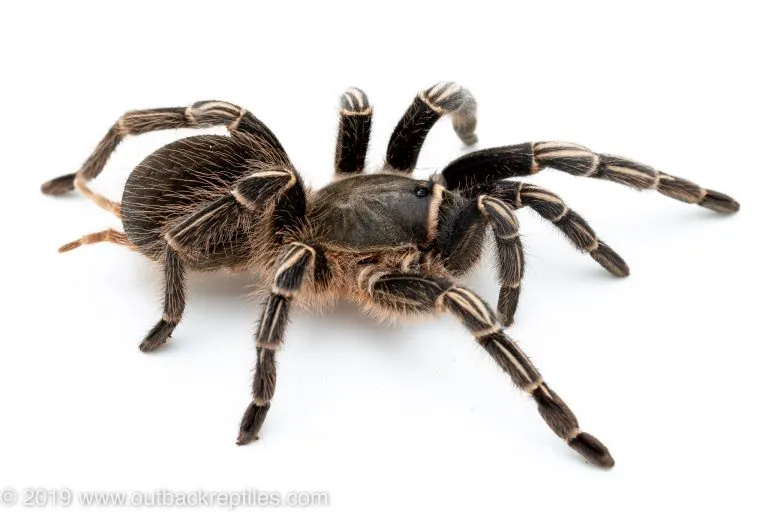
What to Feed Striped Knee Tarantulas
The Striped Knee Tarantula (Aphonopelma seemanni) is a popular pet due to its striking appearance and relatively docile nature. Proper nutrition is essential to ensure a long and healthy life for your tarantula. This guide provides a comprehensive overview of the best food choices for your striped knee tarantula, ensuring they receive a balanced diet and thrive in your care. A well-fed tarantula is more likely to molt successfully, grow larger, and exhibit vibrant colors. Remember to always provide fresh water in a shallow dish.
Crickets
Crickets are a staple food for many tarantula keepers, and for good reason. They are readily available, relatively inexpensive, and offer a good source of protein. Crickets provide a stimulating hunting experience for your tarantula, encouraging natural behaviors. They are also easy to gut load, allowing you to enhance their nutritional value before feeding them to your tarantula. Ensure the crickets are appropriately sized for your tarantula; the general rule is to offer prey no larger than the tarantula’s body size.
Nutritional Value of Crickets

Crickets are primarily composed of protein, which is crucial for tarantula growth and molting. They also contain some fat and carbohydrates. However, the nutritional profile of crickets can vary depending on their diet. Gut loading crickets before feeding them to your tarantula can significantly boost their vitamin and mineral content, ensuring a more complete meal. Crickets are often readily accepted by striped knee tarantulas, making them an ideal, accessible food source for beginner and expert tarantula keepers.
Preparing Crickets for Feeding
Before feeding crickets to your tarantula, it is essential to prepare them properly. First, ensure the crickets are alive and active. Remove any dead crickets from the container, as they can pose a health risk. Gut load the crickets by feeding them nutritious foods like vegetables, fruits, and commercial cricket feed for at least 24 hours before feeding them to your tarantula. This process increases the vitamin and mineral content within the crickets, providing a more nutritious meal. Introduce the crickets into the tarantula’s enclosure one at a time to monitor whether your tarantula is ready to eat.
Mealworms
Mealworms, the larvae of the mealworm beetle, are another readily available food source. They are easy to breed and store, making them a convenient option. Mealworms are generally high in protein and fat, which are beneficial for growth. However, they should be offered in moderation, as their high-fat content can lead to overfeeding if not managed appropriately. They provide a different texture and hunting experience than crickets, offering some variety to your tarantula’s diet. Always ensure the mealworms are healthy and free from parasites before feeding.
Benefits of Mealworms

Mealworms offer several advantages as a tarantula food source. They are easy to breed at home, reducing the cost of purchasing feeders regularly. They are also relatively easy to store, requiring minimal maintenance. Mealworms provide a different texture and taste compared to crickets, helping to diversify your tarantula’s diet and prevent food boredom. Their hard exoskeletons also provide additional fiber. However, it is crucial to monitor the fat content of the mealworms and offer them in moderation to prevent obesity. They are best used as a supplement and not a primary food source.
Storing Mealworms Properly
Proper storage is crucial to keep mealworms alive and healthy. Store mealworms in a well-ventilated container with a substrate such as bran or oatmeal. Provide a source of moisture, such as pieces of fresh vegetables or fruits, ensuring that the food is replaced regularly to avoid mold. Keep the container in a cool, dark place, ideally between 65-75°F (18-24°C). Regularly remove dead mealworms to prevent the spread of diseases. With proper care, mealworms can be stored for several weeks, offering a continuous food supply for your tarantula.
Roaches
Roaches, such as Dubia roaches, are an excellent food source for tarantulas. They are highly nutritious, containing a good balance of protein and other essential nutrients. They are also less likely to burrow or escape in the enclosure, making them easier to manage than crickets. Roaches offer a high meat-to-exoskeleton ratio, providing more nutrients per bite. They are a great choice if you’re looking for a convenient and nutritious food option that also provides hunting satisfaction for your tarantula. Always make sure the roaches are from a reputable source, to limit the risk of parasites.
Dubia Roaches as a Food Source

Dubia roaches (Blaptica dubia) are a popular choice because they are relatively slow-moving, making them easy for tarantulas to catch. They are also very nutritious, with a high protein content and low fat. They are also quiet, odorless, and do not climb smooth surfaces, making them easier to contain than other roach species. Dubia roaches are also known to breed easily in captivity, so you can start a colony to ensure a continuous food supply for your tarantula. Like other feeders, gut loading Dubia roaches is also very important for maximizing their nutritional value.
Raising Roaches for Tarantulas
Raising roaches requires a dedicated setup. Provide a secure enclosure with good ventilation. Use a substrate such as coconut coir or peat moss. Maintain a temperature between 80-90°F (27-32°C). Feed them a balanced diet of fruits, vegetables, and commercial roach feed. Provide a water source, such as water crystals or a shallow dish with cotton. Roaches breed relatively quickly, so a small initial investment can provide a sustainable food supply for your tarantulas. Regular cleaning of the enclosure will also help maintain a healthy colony.
Superworms
Superworms (Zophobas morio) are another option for feeding tarantulas. Superworms are larger than mealworms and have a thicker exoskeleton. They provide more protein and fats, contributing to the tarantula’s growth. However, like mealworms, they should be fed in moderation due to their high-fat content. They are a good source of variety, and can be a welcome treat for your tarantula. Before feeding, it is recommended to crush the head of a superworm to prevent it from biting your tarantula. Superworms can be a good treat, but are not a primary diet source.
Nutritional Advantages of Superworms

Superworms offer high protein and fat levels compared to other feeder insects. This makes them a good option for growing tarantulas. The larger size of superworms can also provide a more substantial meal. They contain various vitamins and minerals, especially when gut-loaded. The exoskeleton of superworms offers a different texture that can be beneficial to tarantula’s digestive system, though feeding too many can result in a bloated tarantula. Providing them with proper gut loading can enhance their nutritional value.
Feeding Superworms to Tarantulas
When feeding superworms, the size of the worm is important. Make sure it is appropriate to the tarantula’s size. As with other feeder insects, avoid feeding too many at once. Due to their high fat content, overfeeding superworms can lead to obesity. To prevent injury to your tarantula, it is best to crush the head of the superworm before offering it. Observe your tarantula after feeding to ensure it is able to consume the superworm without difficulty. Consider offering superworms as a treat or occasional meal rather than a staple food.
Waxworms
Waxworms (Galleria mellonella) are a high-fat treat for tarantulas. They are the larvae of wax moths and are usually found in beehives. Due to their high-fat content, waxworms should only be fed in moderation as a supplement. They are easily digested and provide a tasty treat. Overfeeding can lead to obesity, so only offer a few waxworms occasionally. While they add variety to a tarantula’s diet, they should never be the primary food source. They can entice picky eaters, but moderation is key.
Waxworm Considerations

Waxworms are a good source of fat, but very low in other essential nutrients. They lack the protein and other vitamins and minerals that are crucial for a tarantula’s overall health. Waxworms have a soft body, which makes them easy for tarantulas to digest. However, the high-fat content can lead to health problems if fed too frequently. They can be useful for tempting a tarantula with a poor appetite to eat. The small size of waxworms is also beneficial for smaller tarantulas or those who are newly molted and haven’t eaten recently.
Feeding Waxworms in Moderation
Waxworms should be offered sparingly. Limit their use to one or two waxworms per feeding session, once or twice a month. This prevents your tarantula from developing health issues related to high-fat diets. Always monitor the tarantula’s body condition after feeding waxworms. If your tarantula appears to be gaining excessive weight, it is important to decrease the frequency of waxworm feedings or remove them entirely. Instead, focus on providing a more balanced diet consisting of crickets, roaches, and occasional superworms.
Grasshoppers
Grasshoppers are an excellent food source for striped knee tarantulas, offering a good balance of nutrients. They are a natural prey item for tarantulas in the wild, so they offer a stimulating feeding experience. They have a good protein content and provide various vitamins and minerals. The challenge with grasshoppers is sourcing them, as they may not be readily available like crickets or mealworms. When sourcing grasshoppers, make sure they haven’t been exposed to pesticides or herbicides, which could be harmful to your tarantula.
Grasshopper Nutritional Profile

Grasshoppers are a rich source of protein and fiber, which are essential for your tarantula. They contain several vitamins and minerals. The protein content is similar to that of crickets. They also have a higher chitin content, which helps to maintain a healthy digestive system. Always gut-load grasshoppers before feeding them to your tarantula. Feed them with fresh vegetables and fruits. This boosts their nutritional value, thus improving the health of your tarantula. Their varied diet makes them a better food option.
Sourcing and Feeding Grasshoppers
Finding grasshoppers can be challenging. They can sometimes be purchased from reptile or pet stores, but it may be better to catch them yourself, as long as you are certain they haven’t been exposed to pesticides. If you choose to collect them, ensure the area is free from chemicals. Before feeding, make sure the grasshoppers are alive and active. Place them in the tarantula’s enclosure, and allow your tarantula to hunt. Consider offering one or two grasshoppers per feeding to avoid overfeeding. Monitor your tarantula to ensure it successfully catches and consumes the grasshoppers.
Other Food Options
In addition to the main food sources mentioned, other options can be considered to provide variety to your tarantula’s diet. These can be provided as occasional treats or supplemental meals. Each food item offers different nutritional profiles, and it’s recommended to rotate them, providing a balanced diet for your tarantula. It’s essential to research any new food source before introducing it to your tarantula to make sure it is safe and appropriate for the species.
Pinky Mice
Pinky mice, or newborn mice, can be fed to adult tarantulas. Pinky mice are high in protein and fat. They are a good way to increase the size of a tarantula. However, they should be offered only occasionally. Overfeeding pinky mice can lead to obesity and health problems. It’s best to consult with a veterinarian or experienced tarantula keeper to determine the appropriate frequency and size of pinky mice to feed your tarantula. Only adult tarantulas should be fed pinky mice, not spiderlings or juveniles.
When to Introduce Pinky Mice
Pinky mice are suitable for larger, adult tarantulas. The timing of introducing pinky mice to your tarantula depends on the tarantula’s size, age, and overall health. Generally, adult tarantulas can be fed pinky mice every few months, or as needed to supplement their diet. Monitor the tarantula’s body condition to avoid overfeeding. Before feeding pinky mice, it’s crucial to ensure the tarantula is ready. A tarantula that is about to molt may not eat, so wait until after the molt. Also, ensure the mouse is appropriately sized. The mouse should be small enough to be easily consumed by the tarantula.
Pre-killed vs. Live Pinky Mice
You can offer your tarantula pre-killed or live pinky mice. Pre-killed mice are generally preferred, as they eliminate the risk of the mouse biting or injuring the tarantula. Pre-killed mice are also easier to manage and store. If you choose to feed live pinky mice, always supervise the feeding process. If the tarantula does not immediately consume the mouse, remove it from the enclosure to prevent injury. Avoid feeding live pinky mice unless it is necessary, or the tarantula is having difficulty eating other prey. Always prioritize the safety of your tarantula.
Supplementing Tarantula Diet
Supplementing your tarantula’s diet with vitamins and minerals can promote health and ensure your tarantula receives all the nutrients it needs. It’s important to provide a varied diet, but sometimes, additional supplementation can be beneficial. You should consult with a vet, or experienced tarantula keepers, to learn the ideal way to supplement your tarantula’s diet. Proper supplementation can help your tarantula thrive. Make sure to prioritize the best food choices, as outlined in this article.
Vitamin and Mineral Supplements
Various vitamin and mineral supplements are available to boost your tarantula’s health. Calcium and vitamin D3 supplements are especially beneficial. These supplements should be dusted on feeder insects before feeding them to your tarantula. Other supplements, such as multivitamins, can also be used, but should be done with caution. Make sure to research any supplement before using it, and follow the recommended dosage. Using supplements can improve molting, growth, and overall health. Using them properly is essential.
Importance of Gut Loading
Gut loading refers to feeding the feeder insects a nutritious diet before feeding them to your tarantula. Gut loading increases the vitamin and mineral content in the insects, providing a more nutritious meal for your tarantula. It is an essential step in ensuring your tarantula receives a balanced diet. Gut loading is especially important with crickets, roaches, and other feeder insects. Supplementing the feeder insects’ diet with fruits and vegetables can enhance the vitamin and mineral content. The right gut-loading diet boosts the nutrition of each feeder insect.
Frequency of Supplementation
The frequency of supplementing your tarantula’s diet depends on factors such as its age, size, and overall health. Juvenile tarantulas require more frequent supplementation than adults. For adult tarantulas, supplements can be added every other feeding or as needed. Always monitor your tarantula’s body condition to ensure that it’s not over-supplemented, which can be harmful. Consulting a veterinarian or an expert tarantula keeper can help determine the right frequency. Proper supplementation is only beneficial when it complements the basic nutrition of the food items.