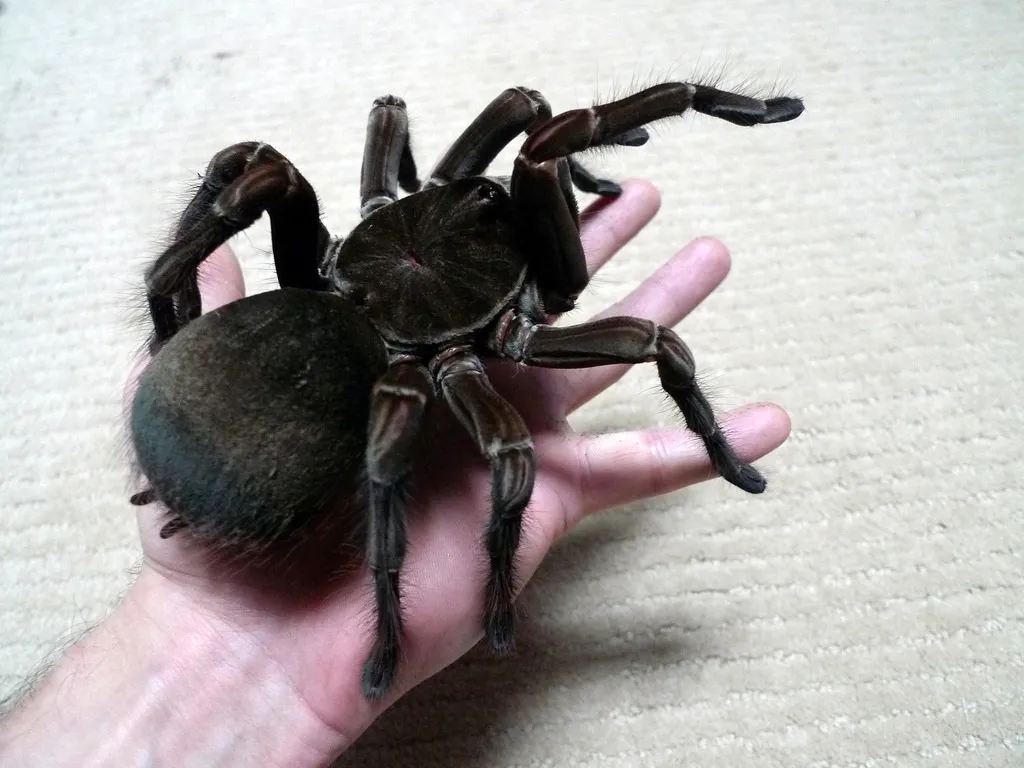
Spider Tarantula Diet
Spider tarantulas, captivating creatures with their impressive size and intriguing behaviors, are a popular choice for pet owners and a source of fascination for arachnid enthusiasts. Understanding the dietary habits of these fascinating spiders is crucial for their well-being and longevity. This article delves into the top 5 facts about what spider tarantulas eat, exploring their diverse food preferences, hunting techniques, and the essential factors that contribute to their healthy growth and development. From the insects they consume to the small vertebrates they sometimes hunt, we will unravel the secrets of their diet and provide you with the knowledge to care for these amazing creatures.
What Spider Tarantulas Eat
The diet of a spider tarantula is surprisingly diverse, reflecting their opportunistic nature and predatory instincts. These spiders are primarily carnivores, with their menu largely consisting of live prey that they can overpower and consume. The specific food items can vary based on the tarantula’s size, species, and the availability of prey in their natural habitat or in captivity. A well-rounded diet is critical to ensure that tarantulas receive all of the nutrients they need to thrive. This section will uncover the main staples of a tarantula’s diet, giving you a good understanding of what they eat.
Insects

Insects form the cornerstone of a spider tarantula’s diet. Crickets, mealworms, superworms, and roaches are among the most common insects offered to tarantulas in captivity. These insects are relatively easy to obtain, provide a good source of protein and other nutrients, and are readily accepted by most tarantulas. The size of the insect offered should be proportionate to the tarantula’s size, ensuring that it can be easily subdued and consumed. It is essential to avoid feeding tarantulas insects that have been exposed to pesticides or other harmful substances, as this can be detrimental to the spider’s health. Introducing a variety of insects provides a more balanced diet and keeps the tarantula stimulated.
Arachnids
In their natural environments, tarantulas may also prey on other arachnids, including smaller spiders. While not a primary food source, the occasional consumption of other arachnids can contribute to the overall diversity of their diet. In captivity, providing access to other arachnids, while not always practical, can mimic their natural feeding behaviors. The nutritional benefits are similar to those of insects, with additional trace elements potentially available. Care should be taken to ensure the safety of both the tarantula and the potential prey, as some arachnids may pose a threat to the spider.
Small Vertebrates
Larger tarantula species are capable of preying on small vertebrates, such as small lizards, mice, and even small birds, especially in the wild. This is a rare occurrence in captivity due to ethical concerns and the potential risks associated with providing live vertebrates as food. The nutritional value is different from insects, and the introduction of vertebrates should be considered carefully. However, it is a more common occurrence in their natural habitats, depending on the availability of such prey. The tarantula will actively hunt, injecting venom to subdue their prey before consuming them. This provides a good source of nutrients to the tarantula.
Spider Tarantula Hunting Techniques

Tarantulas are skilled hunters, employing a variety of techniques to capture their prey. Their hunting strategies are a fascinating display of their evolutionary adaptations and survival instincts. Understanding these techniques offers valuable insight into their predatory behavior and how they interact with their environment. From ambush tactics to the occasional use of webs, tarantulas are well-equipped to secure their meals. Different species will utilize different methods, adding to the diversity of their hunting strategies, and reflecting their different natural habitats.
Ambush Hunting
Many tarantula species are ambush predators, meaning they lie in wait for their prey to come within striking distance. They often position themselves near their burrows or in sheltered locations, patiently awaiting the arrival of an unsuspecting insect or other small animal. Their keen senses, including the ability to detect vibrations in the ground, alert them to the presence of potential prey. Once a target is detected, the tarantula will quickly lunge forward, using its fangs to inject venom and subdue the prey. Their coloration often helps them blend in with their surroundings, making them even more effective hunters.
Web-Building
While not all tarantulas build elaborate webs to catch prey, some species utilize silk to create tripwires or silken retreats. These webs serve as both a means of sensing the presence of prey and as a protective shelter. When an insect walks across the tripwire, the tarantula detects the vibrations and emerges from its hiding place to seize its meal. The web also provides a safe space for the tarantula to consume its prey. This technique is more common in arboreal species, which often use their webs to create funnel-like structures to catch insects in mid-air.
Dietary Needs by Tarantula Type

The specific dietary requirements of a tarantula can vary depending on its species and its natural habitat. The size, metabolism, and activity level of the tarantula play significant roles. It is essential to research the specific needs of the particular tarantula species you own to ensure that it receives the appropriate nutrition. This section explores the dietary needs of two common types of tarantulas, illustrating the subtle differences in their feeding habits and preferences. Providing an appropriate diet is fundamental to their health and happiness.
Terrestrial Tarantulas
Terrestrial tarantulas, which live on the ground, often prefer a diet consisting primarily of insects. Crickets, mealworms, and roaches are commonly used to feed these spiders. Because they live on the ground, they are more likely to encounter prey that is also terrestrial. It’s essential to provide a varied diet of insects and to consider the size of the prey relative to the size of the spider. It is important to take into consideration that juvenile tarantulas eat more frequently than adult tarantulas. The amount of food offered and the frequency of feeding should be adjusted based on the tarantula’s age and growth stage.
Arboreal Tarantulas
Arboreal tarantulas, those that live in trees, often have slightly different dietary preferences. They are more likely to encounter flying insects, so they may be more adept at catching them. In addition to insects, arboreal tarantulas may also consume other small invertebrates or even small vertebrates. It’s crucial to create a habitat that has the ability to accommodate such prey. The feeding frequency and prey selection should be tailored to the species and individual needs of the tarantula. An arboreal tarantula’s diet is as unique as the environment that it inhabits.
How to Feed Your Spider Tarantula

Proper feeding techniques are crucial for ensuring the health and well-being of your spider tarantula. The frequency of feeding, the size of the prey, and the provision of adequate hydration and nutrition are all important considerations. A well-fed tarantula is more likely to thrive, and a well-informed pet owner will be able to help keep their tarantula healthy and happy. This section provides detailed guidelines on how to feed your spider tarantula effectively.
Frequency of Feeding
The frequency of feeding depends on the age and size of the tarantula. Juvenile tarantulas, which are actively growing, typically require more frequent feedings, often every other day or every few days. Adult tarantulas can be fed less frequently, perhaps once a week or every other week. It’s important to observe your tarantula’s behavior to determine the appropriate feeding schedule. Overfeeding can lead to health problems, while underfeeding can stunt growth. The tarantula’s abdomen should be checked to determine its fullness; a well-fed tarantula will have a rounded abdomen.
Size of Prey
The size of the prey should be proportional to the size of the tarantula. A general rule is to offer prey that is no larger than the tarantula’s body. Juvenile tarantulas should be fed smaller insects, such as pinhead crickets or small mealworms, while larger adults can handle larger prey, such as adult crickets or superworms. Providing prey that is too large can make it difficult for the tarantula to subdue and consume, and could potentially injure the spider. Proper prey size is an essential element in tarantula care and well-being.
Nutritional Considerations

In addition to providing a variety of prey items, there are other nutritional considerations to keep in mind when feeding your spider tarantula. These include providing adequate hydration and, in some cases, considering the use of supplements. Hydration is essential for the tarantula’s health, while supplements can help ensure they receive all the necessary nutrients. Proper nutrition will not only provide for a healthy life span but will also provide the tarantula with the correct nutrients to have a healthy molt.
Hydration
Tarantulas require access to fresh water at all times. A shallow water dish should be provided in the enclosure. The dish should be small enough to prevent the tarantula from drowning, but large enough to allow it to drink easily. The water should be changed regularly to prevent contamination and to ensure that it remains fresh. In addition to drinking, tarantulas also absorb moisture from their environment, so maintaining the appropriate humidity levels in the enclosure is also essential.
Supplements
While a well-balanced diet of live insects is usually sufficient, some keepers supplement their tarantulas’ diets with calcium and vitamin D3. This is particularly true for species that may have specific dietary needs or those kept in conditions where vitamin D3 production may be limited. The supplements can be added to the insects before feeding them to the tarantula (known as “gut-loading”), ensuring that the spider receives all the necessary nutrients. Always use supplements with caution and consult with an expert if you have any concerns.
Conclusion

Understanding what spider tarantulas eat is fundamental to providing them with the best possible care. By providing a varied diet of insects and other appropriate prey, maintaining proper hydration, and considering the use of supplements, you can help ensure that your tarantula thrives. Remember to research the specific needs of your tarantula species and observe its behavior to adjust your feeding and care routine as needed. Proper care will not only allow you to provide the tarantula with the best life possible, it will also make the experience more enjoyable.