
Top 5 Facts About Salmon Pink Birdeater Tarantulas
The Salmon Pink Birdeater tarantula (Lasiodora parahybana) is a popular choice among tarantula enthusiasts. Its impressive size and striking appearance make it a captivating pet. This guide delves into five key facts about this fascinating species. From their physical traits to their care requirements, this information will provide a comprehensive overview. Whether you’re a seasoned tarantula keeper or considering getting one, these facts will help you understand and appreciate the Salmon Pink Birdeater.
Appearance and Characteristics
The Salmon Pink Birdeater earns its name from its distinctive coloration. They have dark brown to black bodies, contrasted by pink or salmon-colored hairs on their legs and abdomen. This color combination is not only visually appealing but also serves as a form of camouflage. The spiders blend well with their environment. Their robust build gives them a powerful appearance. This tarantula’s size is another striking feature. Adult females can reach leg spans of over 10 inches, making them one of the largest tarantula species. Their impressive size, combined with their coloration, makes them a standout among pet tarantulas.
Size and Lifespan

These tarantulas are giants in the spider world. Females can grow larger than males. They can reach leg spans exceeding 10 inches. The size is a key factor in their appeal. Considering an enclosure that meets their needs is crucial. The Salmon Pink Birdeater is also known for its relatively long lifespan. Females can live for 15-20 years or even longer. This longevity is attractive to those seeking a long-term pet. Males typically have a shorter lifespan, usually 3-5 years after maturity.
Habitat and Native Range
Native to the rainforests of Brazil, Salmon Pink Birdeaters thrive in a warm, humid environment. They are terrestrial spiders, spending most of their time on the ground. They often seek shelter under rocks, logs, and leaf litter. Replicating their natural habitat is essential in captivity. This includes a suitable substrate, proper temperature, and humidity levels. Giving them opportunities to express natural behaviors like burrowing and foraging also promotes their well-being. Understanding their natural environment is key to their care.
Temperament and Handling
The Salmon Pink Birdeater’s temperament is often considered relatively docile compared to some other tarantula species. However, it’s important to approach them with caution. They can bite if they feel threatened. Handling is generally discouraged unless essential, like for health checks or enclosure maintenance. The size of these tarantulas and their potential bite pose a risk. Using a soft brush or a container to move the tarantula gently is safer. Observing their behavior and understanding their body language will prevent stressing the spider. Always prioritize the tarantula’s well-being.
Feeding and Diet

Salmon Pink Birdeaters are voracious eaters. Their diet consists mainly of insects. In the wild, they consume various prey, including insects and small vertebrates. As pets, they thrive on a diet of easily available insects such as crickets, mealworms, and roaches. Prey size should match the tarantula’s size. Juveniles need smaller insects, while adults can handle larger ones. A varied diet ensures they get all the necessary nutrients. Removing uneaten food is important to prevent mold and mites. Monitoring feeding habits helps adjust their diet.
What They Eat
In captivity, their diet includes various insects. Crickets are a staple, offering good protein. Mealworms and superworms are also options, but in moderation due to their fat content. Cockroaches, like Dubia roaches, are excellent due to their nutrition and ease of breeding. Offer other insects like locusts for dietary variety. Dust insects with calcium and vitamin supplements for juveniles. Monitor their feeding response to adjust the diet and prey size.
How Often to Feed
Feeding frequency depends on age and size. Spiderlings and juveniles should be fed more frequently, usually 2-3 times a week, to aid rapid growth. Reduce feeding as they mature. Sub-adults and adults can eat once a week or every other week. Monitor the abdomen; a full abdomen means they’re well-fed. A skinny abdomen needs more feeding. Their behavior also indicates hunger. Avoid overfeeding. Always provide fresh water.
Behavior and Defensive Mechanisms
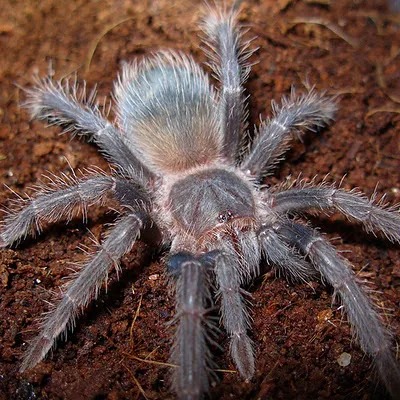
Salmon Pink Birdeaters, like all tarantulas, have defense mechanisms. Understanding these behaviors is essential for safe handling. Their primary defenses are fleeing, kicking urticating hairs, and biting as a last resort. Recognizing these behaviors helps anticipate their reactions and avoid stress. A secure enclosure minimizes stress. Observing their behavior gives insights into their well-being.
Common Defenses
Their common defenses include fleeing, urticating hairs, and biting. They first try to escape. When threatened, they kick hairs from their abdomen, which are irritating. Biting is rare, but they may do so if cornered. Handle with great care.
Molting Process
Molting allows tarantulas to grow and shed their exoskeleton. They shed their old exoskeleton. This is a stressful time. The molting process varies with age and conditions. Provide a stable environment with the right humidity and temperature. Avoid disturbing them and ensure they have access to water.
Molting Frequency

Molting frequency depends on age. Spiderlings and juveniles molt frequently. As they mature, molting decreases. Sub-adults may molt once or twice a year. Adults may molt less often. The process can take hours to days. The new exoskeleton is soft. Avoid disturbance until it hardens. Provide hydration.
Enclosure and Environment
The right enclosure and environment are vital for a healthy Salmon Pink Birdeater. The setup should mimic their natural habitat. It requires an appropriate enclosure size, substrate, and controlled temperature and humidity. Replicating their humid, warm environment is essential. A well-designed enclosure reduces stress. Careful attention to these details is important.
Ideal Enclosure Setup
An ideal enclosure should be secure and replicate their natural habitat. A terrarium of at least 20 gallons is recommended for adult females. Ensure a secure lid. The substrate should allow burrowing, about 4-6 inches deep. Use a mix of peat moss, coco fiber, and vermiculite. Add a water dish and shelter, like cork bark. Keep the enclosure clean.
Temperature and Humidity

Maintain correct temperature and humidity for your tarantula. The ideal temperature is 75-85°F (24-29°C). Use a heat mat on the side. Humidity should be around 70-80%. Mist the enclosure regularly. Proper ventilation is crucial. Use a hygrometer and thermometer. Make adjustments to maintain optimal levels.
Health and Care Tips
Proper health care and preventative measures help your tarantula live a long life. Regularly check for illness or injury. Provide a clean enclosure and a balanced diet. Understand and prevent common health issues. Regular observation helps you identify and address any potential problems early.
Common Health Issues
They can be susceptible to a few health problems. Parasites and mites are a concern. Respiratory infections can occur if humidity is low or ventilation is poor. Injuries can happen during molting. Look for lethargy, loss of appetite, or unusual growths. Consult with an expert if you see these symptoms. Regular cleaning and enclosure maintenance are key.
Preventative Care

Preventative care is key. Regularly clean the enclosure. Remove uneaten food. Maintain the right temperature and humidity. Provide a varied diet and supplements. Quarantine new additions. Observe the tarantula’s behavior. Address any issues quickly.
Breeding Salmon Pink Birdeater Tarantulas
Breeding these tarantulas is a complex undertaking. It demands planning, species knowledge, and appropriate facilities. Successful breeding requires proper pairing and care for the female and her egg sac. It’s a complex process that only experienced keepers should attempt. It provides a chance to contribute to the tarantula-keeping community.
Mating Process
The mating process involves several steps. The male builds a sperm web. He then approaches the female. If receptive, the mating begins. The male uses his pedipalps to insert sperm. The male is at risk. After mating, the female produces an egg sac.
Egg Sac and Spiderlings

The female guards the egg sac. Incubation lasts weeks or months. Provide a secure environment. Spiderlings emerge and need careful care. House them separately to prevent cannibalism. Provide appropriate prey and conditions for them to thrive.