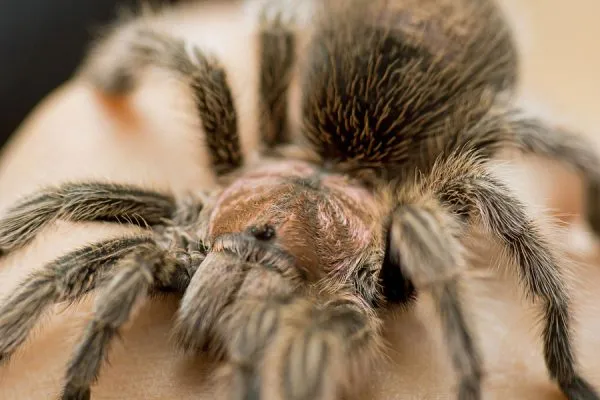
The Lifespan of a Rose Hair Tarantula
The Rose Hair Tarantula, scientifically known as Grammostola rosea, is a popular choice for beginner tarantula enthusiasts due to its docile nature and relatively long lifespan. Understanding how long these captivating creatures live is essential for potential owners. The lifespan of a Rose Hair Tarantula can vary, influenced by several factors including gender, care, and environment. This article will explore the various aspects influencing the lifespan of a Rose Hair Tarantula, providing valuable insights for those considering or currently owning one of these fascinating arachnids. It’s an investment of time, care, and attention, that can extend into a meaningful part of your life, creating a unique bond with this remarkable species.
Factors Affecting Lifespan
Several elements play a crucial role in determining how long a Rose Hair Tarantula lives. One of the most significant factors is the quality of care provided. This encompasses everything from habitat setup to feeding habits and the overall environment. A well-maintained enclosure with appropriate temperature, humidity, and substrate is crucial for the tarantula’s well-being. Additionally, providing a balanced diet and preventing exposure to harmful substances or stress can significantly extend the tarantula’s life. The Rose Hair Tarantula, like other living creatures, is susceptible to diseases and health issues, so proactive care is key. Moreover, the gender of the tarantula dramatically impacts its lifespan, with females generally living considerably longer than males.
Gender Differences in Lifespan

A striking difference exists between the lifespans of male and female Rose Hair Tarantulas. Generally, females can live for a remarkable 15 to 20 years, and sometimes even longer, provided they are well-cared for. This longevity is a significant draw for many owners, as it allows for a long-term companionship with their pet. Males, however, have a considerably shorter lifespan. After reaching maturity, which usually happens within the first few years of their life, male tarantulas typically live for only a few months to a couple of years at most. This difference is primarily due to the biological demands of mating and the increased risks associated with the search for a mate. The impact of gender, therefore, is a pivotal consideration for anyone considering owning a Rose Hair Tarantula.
Male Rose Hair Tarantula Lifespan
Male Rose Hair Tarantulas face a relatively short life after reaching maturity. This is due to their biological purpose of reproduction. Once a male reaches adulthood, which is often signaled by his final molt, he becomes focused on finding a mate. This pursuit involves a decrease in appetite and heightened activity levels, increasing exposure to risks. After mating, a male’s life expectancy is often greatly reduced, typically surviving only a few months to a year. The focus on reproduction takes a significant toll on the male’s health and well-being, inevitably leading to a shorter life compared to females. This difference is something potential owners must consider.
Female Rose Hair Tarantula Lifespan
Female Rose Hair Tarantulas can live for a considerably longer time, often delighting their owners with a lifespan of 15 to 20 years or more. The extended life of a female is a considerable advantage for the owner looking for a long-term commitment. This longevity provides a unique and meaningful opportunity for companionship. Females are not subjected to the same intense biological pressures that males face, allowing them to conserve energy and maintain a more stable lifestyle. This longer lifespan also provides more time to observe and understand the behaviors of these fascinating creatures, making them a popular choice for those seeking a long-term pet.
Optimal Care for Longevity

Providing optimal care is critical to extending the lifespan of a Rose Hair Tarantula. This involves establishing a proper habitat, offering a balanced diet, and consistently monitoring the tarantula’s health. A suitable enclosure should provide the correct temperature and humidity levels, usually maintained with the help of a heat lamp or pad and a hygrometer. A substrate that allows burrowing and a shallow water dish for hydration are also essential. A balanced diet consisting of insects like crickets or roaches, supplemented with occasional treats, is crucial. Regular health checks for any signs of illness or stress will further contribute to a long and healthy life.
Environmental Factors
The environment in which a Rose Hair Tarantula lives greatly influences its lifespan. The habitat should mimic the tarantula’s natural environment as closely as possible. Maintaining proper temperature and humidity levels is vital; the tarantula should have a warm but not excessively hot area, and the humidity levels need to be suitable to facilitate molting. The enclosure should be properly ventilated to avoid the buildup of harmful mold or bacteria and also needs to be a safe space that is free of potential hazards, such as harsh chemicals or other pets. Providing an ideal environment will significantly reduce stress and contribute to a longer, healthier life for your Rose Hair Tarantula.
Diet and Nutrition
Proper nutrition is vital for a long and healthy life for any tarantula. A balanced diet consisting of appropriate prey items is essential. Crickets, roaches, and mealworms are common food sources. The size of the prey should be proportional to the size of the tarantula, allowing it to hunt and consume its food comfortably. Avoid overfeeding, as obesity can shorten a tarantula’s lifespan. Additionally, always provide a clean water source to keep the tarantula hydrated. The quality and type of food have an enormous impact on the tarantula’s health and longevity, making this element critical for those looking to care for a Rose Hair Tarantula.
Common Health Issues and Prevention
Rose Hair Tarantulas, like all animals, are susceptible to various health issues. Preventing diseases through regular care and observation is crucial. Common issues include parasites, bacterial infections, and injuries from molting. Regularly checking the tarantula for any unusual behavior, changes in eating habits, or signs of injury is key. A healthy habitat, proper hygiene, and a balanced diet will reduce the risk of many health problems. Seek expert veterinary advice if any health concerns arise, as timely intervention can often prevent more severe conditions. A proactive approach towards health will increase the likelihood of your Rose Hair Tarantula living a long and healthy life.
Recognizing Signs of Aging
As a Rose Hair Tarantula ages, it may exhibit specific signs that indicate it is nearing the end of its life. Decreased activity levels, reduced appetite, and changes in behavior are some of the indicators. Older tarantulas may also develop a duller coloration or lose the vibrant hues they once displayed. These signs, while not always a cause for immediate concern, may indicate the tarantula’s body is slowing down. Understanding these changes can help an owner provide the best possible care during an aging tarantula’s final stages, ensuring its comfort and well-being. Recognizing these signs is an important aspect of providing proper and compassionate care.
Conclusion
The lifespan of a Rose Hair Tarantula is affected by a number of factors, from the gender of the tarantula to the quality of care it receives. Females typically live much longer than males, giving owners many years to enjoy their company. By understanding these factors and providing proper care, you can significantly increase the likelihood of your Rose Hair Tarantula living a long, healthy, and fulfilling life. These captivating creatures can provide a unique and rewarding experience for anyone interested in owning a pet tarantula, and an understanding of their lifespan is a fundamental aspect of responsible ownership. Caring for a Rose Hair Tarantula is a rewarding experience.