
Rose Hair Tarantula Guide
The Rose Hair Tarantula (Grammostola rosea) is a popular pet, known for its docile nature and relatively low-maintenance care. One of the biggest attractions is that they can be quite affordable, but saving money requires knowledge and a little planning. This guide provides practical tips on how to get a Rose Hair Tarantula for cheap, covering everything from finding the right seller to setting up a suitable habitat and ensuring its health. Owning a tarantula doesn’t have to break the bank, and with the right approach, you can enjoy the fascinating world of these creatures without overspending. Learning the ins and outs of tarantula care will empower you to make informed decisions and create a thriving environment for your new pet, saving money in the long run.
Researching Rose Hair Tarantulas
Before buying a Rose Hair Tarantula, thorough research is essential. Understanding their needs, behavior, and potential health issues can prevent costly mistakes. Knowledge is key to keeping your tarantula healthy and saving money. Learn about the specific requirements of these spiders to ensure you are prepared. The more you understand, the better equipped you’ll be to avoid unnecessary expenses and provide the best possible care.
Understanding the Rose Hair Tarantula
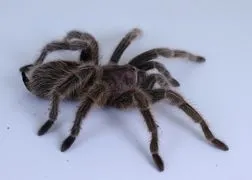
Rose Hair Tarantulas are native to the dry areas of Chile, Bolivia, and Argentina. They are terrestrial spiders, meaning they spend most of their time on the ground. They are relatively docile and slow-moving, making them popular among beginner tarantula keepers. They typically grow to a leg span of about 5-6 inches. Females can live for 15-20 years, while males have a shorter lifespan of 5-7 years. Understanding this lifecycle provides a baseline to understand your commitment to owning one.
Why Buy a Rose Hair Tarantula?
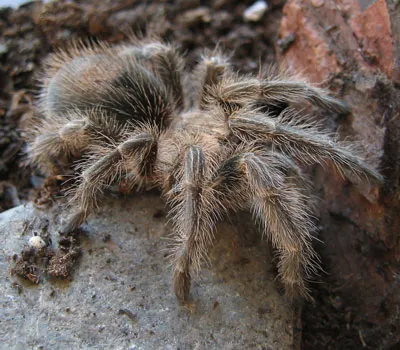
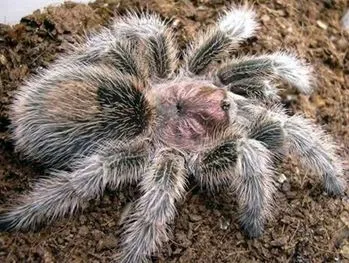
Rose Hair Tarantulas offer several advantages. They are relatively easy to care for compared to other exotic pets, which translates to lower ongoing costs. Their calm temperament makes them less likely to bite, and they are not venomous to humans. These spiders are also visually appealing, with their reddish-brown hairs. The ease of care means less time and money are spent on complex setups or frequent vet visits, and this makes them a great option for many pet owners. This also contributes to the species being cheaper than other more difficult to care for tarantulas.
Finding the Right Rose Hair Tarantula Seller
Finding a reputable seller is critical when buying a Rose Hair Tarantula for cheap. A good seller provides healthy spiders, accurate information, and reasonable prices. Taking the time to find the right seller will save you money in the long run by avoiding potentially unhealthy spiders that require costly veterinary care.
Online vs Local Sellers
Both online and local sellers have their pros and cons. Online sellers often offer lower prices due to lower overhead costs, but you can’t inspect the spider in person before purchase. Local pet stores allow you to see the tarantula and ask questions, but the prices might be higher. When selecting between online and local retailers, consider the seller’s reputation, shipping costs, and return policies.
Checking Seller Reputation
Before making a purchase, research the seller’s reputation. Read online reviews, check for customer testimonials, and look for any complaints. A seller with a good reputation is more likely to sell healthy tarantulas and provide good customer service. Avoid sellers with consistently negative reviews or a lack of transparency about their spiders’ origins.
Setting Up a Suitable Habitat
Setting up a proper habitat is essential for your Rose Hair Tarantula’s health and well-being. A well-designed enclosure reduces stress and the risk of disease. This investment is worth it because a healthy tarantula is a happy tarantula and less prone to problems. Setting up the enclosure right the first time can save on replacement costs.
Choosing the Right Enclosure

A suitable enclosure is essential. A 10-gallon tank is typically sufficient for an adult Rose Hair Tarantula. The enclosure should be escape-proof with a secure lid. Make sure the enclosure has adequate ventilation to prevent the buildup of humidity and mold, which can be detrimental to the tarantula’s health. The size of the enclosure will be dependent on the size of your tarantula. Too big an enclosure is not ideal for the spider’s comfort.
Substrate and Decor
Use a substrate like coconut fiber or peat moss, which helps maintain humidity and allows the tarantula to burrow. Add decorations such as a hide, a water dish, and a few artificial plants to provide enrichment and a sense of security. The substrate should be replaced every few months to maintain hygiene, although spot cleaning is often sufficient. These items can be purchased inexpensively from a variety of sources, with cost-effective options readily available.
Controlling the Temperature and Humidity
Rose Hair Tarantulas thrive in a temperature range of 70-80°F (21-27°C). Use a thermometer to monitor the temperature. The humidity level should be around 60-70%. You can maintain humidity by lightly misting the enclosure with water a couple of times a week. Make sure the enclosure is not in direct sunlight, as this can overheat the enclosure and endanger the tarantula. Make sure to keep your eye on these conditions as it can be very difficult to nurse a sick tarantula back to health.
Feeding Your Rose Hair Tarantula

Feeding your tarantula properly is crucial for its health and longevity. Rose Hair Tarantulas are relatively easy to feed and don’t require expensive or specialized diets. A good feeding routine and proper food selection are key to keeping your tarantula healthy, thriving, and saving money. A well-fed tarantula is less prone to health problems, which translates to lower veterinary costs.
Choosing the Right Food
The primary food source for a Rose Hair Tarantula is insects, such as crickets, mealworms, and roaches. You can often buy these insects in bulk, which reduces the cost per insect. Make sure the insects are gut-loaded with nutritious food before feeding them to your tarantula to provide better nutrition. Variety in the diet is good, but stick to readily available and inexpensive options to keep costs down. Avoid expensive specialty foods.
Feeding Schedule
Feed your Rose Hair Tarantula based on its size and age. Spiderlings should be fed 2-3 times a week. Adults can be fed once a week or every other week. Remove any uneaten insects within 24 hours to prevent stress to the tarantula. Always provide a shallow dish of fresh water. Adjust the feeding schedule as needed depending on the spider’s appetite and molting cycle. The frequency of feeding can also be affected by the spider’s life stage and the ambient temperature.
Saving on Tarantula Care

There are several ways to save money on tarantula care without compromising the quality of care. By adopting a few cost-effective strategies, you can provide a healthy and enriching environment for your Rose Hair Tarantula while keeping expenses manageable. Consider your setup choices carefully to maximize your money, and minimize your cost overall.
DIY Enclosure Options
Instead of buying a specialized tarantula enclosure, consider using a repurposed glass or plastic container. Ensure the container is escape-proof and has adequate ventilation. DIY options can save you a significant amount of money compared to purchasing a pre-made enclosure. This is a great way to reduce costs and offer a creative solution for housing your pet. Always prioritize the safety and well-being of your tarantula.
Buying in Bulk
Buying substrate, insects, and other supplies in bulk can often lead to substantial savings. Many online retailers and pet stores offer discounts for bulk purchases. This strategy works particularly well for frequently used items like substrate. Be mindful of storage, and only buy what you can use before it expires or spoils. Store substrate in a dry, sealed container and insects can be stored as well, or bred as needed. Consider the shelf life of each product to avoid waste.
Health and Wellness
Keeping your Rose Hair Tarantula healthy is a key aspect of cost savings. Regular monitoring, proper care, and prompt attention to any health issues can prevent expensive vet visits. The most important thing you can do is learn about the common health issues for this species. Healthy tarantulas live longer and require less veterinary intervention.
Identifying Common Health Issues
Learn to identify signs of illness, such as lethargy, loss of appetite, or changes in behavior. Watch for external parasites, such as mites. These can be detrimental to a tarantula’s health. Preventative measures, such as maintaining a clean enclosure, can often prevent common health issues. Regularly check your tarantula for any unusual signs. Prompt action can prevent minor problems from escalating.
Seeking Expert Advice
Don’t hesitate to seek expert advice if you notice any health issues. Contact a veterinarian with experience in exotic animals, or consult with experienced tarantula keepers. Early intervention can often prevent serious health problems. Local pet stores can also be a great resource. Online forums can provide additional insights. A quick consultation could save you money in the long run.
The Benefits of Owning a Rose Hair Tarantula
Owning a Rose Hair Tarantula provides a fascinating opportunity to observe and learn about these intriguing creatures. They are relatively low-maintenance pets, making them an excellent choice for both beginners and experienced pet owners. The calming presence of a Rose Hair Tarantula, with its slow movements and unique appearance, can be quite therapeutic. Their relatively long lifespans also mean you can enjoy their company for many years. By following the tips in this guide, you can enjoy all the benefits of owning a Rose Hair Tarantula without overspending.