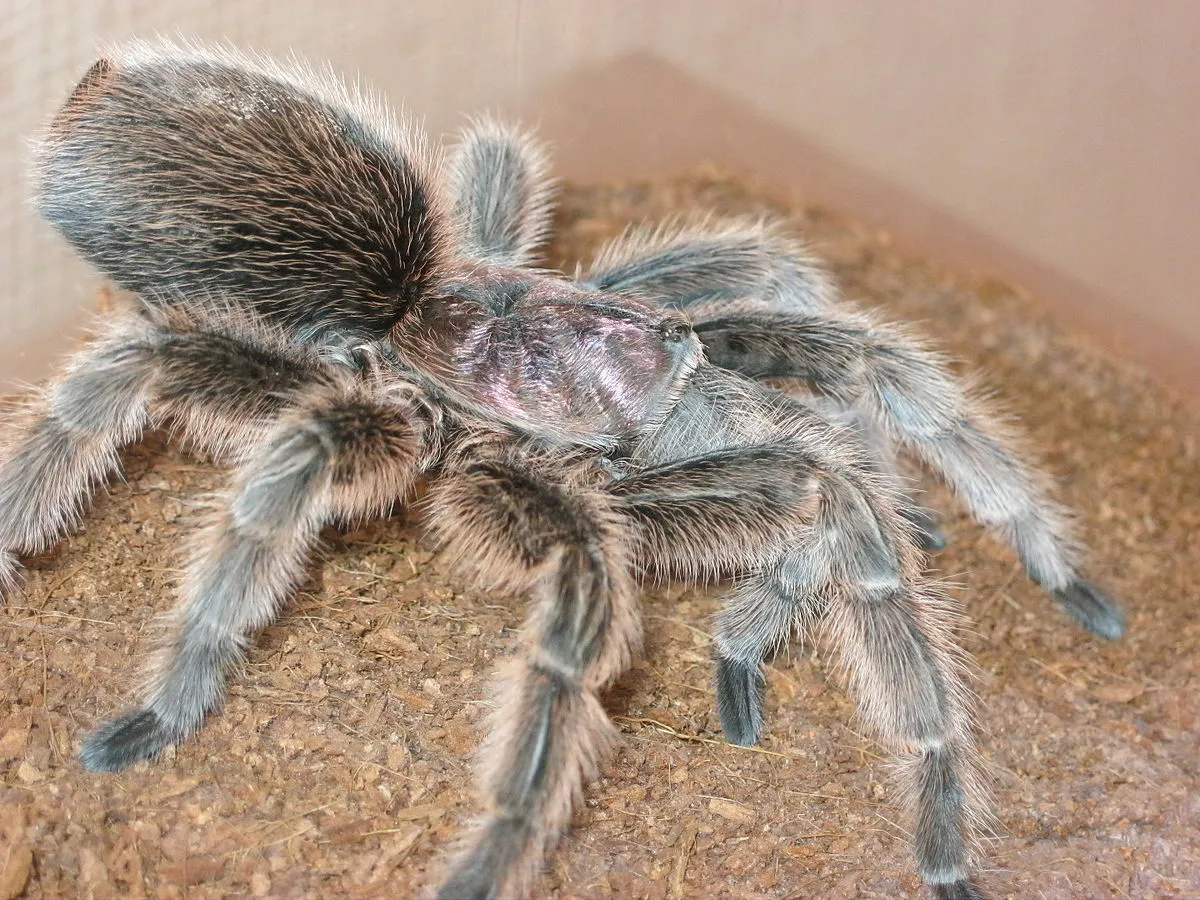
Rose Hair Tarantula Overview
The Rose Hair Tarantula, scientifically known as Grammostola rosea, is a captivating arachnid that has gained immense popularity as a pet. Native to the arid regions of South America, particularly Chile, Bolivia, and Argentina, this tarantula is celebrated for its docile temperament, striking appearance, and relatively easy care requirements. Its endearing qualities make it a favorite among both novice and experienced tarantula enthusiasts. Understanding the Rose Hair Tarantula involves appreciating its biology, behavior, and the specific needs it has in captivity. This article unveils seven fascinating facts about this remarkable creature, providing insights into its world and the responsibilities that come with owning one.
Physical Characteristics
The Rose Hair Tarantula’s physical attributes are a significant part of its appeal. Their size, coloration, and overall appearance contribute to their charm and distinguish them from other tarantula species. These characteristics not only aid in their identification but also offer clues about their lifestyle and adaptation to their environment.
Size and Appearance
Rose Hair Tarantulas are medium-sized tarantulas, with adult females typically reaching a leg span of up to 5 to 6 inches (12 to 15 cm). Males are generally smaller, though this can vary. Their bodies are covered in dense hairs, giving them a fuzzy appearance. The overall body shape is typical of tarantulas, with a cephalothorax (fused head and chest) and an abdomen. The size of a Rose Hair Tarantula, especially the leg span, is often the first thing that catches the eye of potential owners. It’s important to note that the size can vary depending on the individual tarantula and the conditions in which it is kept.
Coloration and Markings
The coloration of the Rose Hair Tarantula is one of its most notable features. They generally have a dark brown or black body, with reddish or pinkish hairs covering their legs and abdomen, giving rise to the name “Rose Hair.” The intensity of the pink or red coloration can vary between individuals. Some may have a more subtle hue, while others display vibrant colors. The hairs are not just for aesthetic purposes; they also serve as sensory organs and may play a role in defense. These hairs can be flicked off the abdomen as a defense mechanism, causing irritation to potential predators.
Habitat and Distribution
Understanding the natural habitat of the Rose Hair Tarantula is crucial for providing appropriate care in captivity. Their native environment provides insights into their needs and the type of environment they thrive in. This information helps in replicating their natural habitat as closely as possible, which is essential for their well-being.
Native Environment
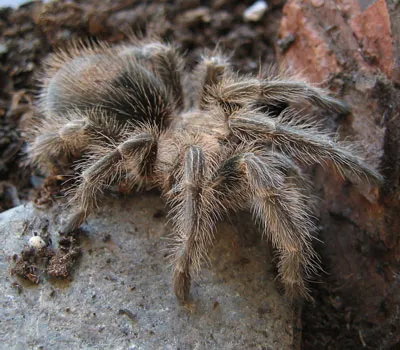
Rose Hair Tarantulas are native to the arid and semi-arid regions of South America, primarily in Chile, Bolivia, and Argentina. They inhabit grasslands, scrublands, and deserts, where they burrow into the ground or find shelter under rocks and logs. These environments are characterized by low humidity, fluctuating temperatures, and sparse vegetation. The ability of the Rose Hair Tarantula to survive in these conditions is a testament to its adaptability. Their natural habitat has a significant impact on their behavior and physiology, and the more you know about it, the better you can care for your pet.
Where They Are Found
In the wild, Rose Hair Tarantulas are commonly found in burrows or under rocks, where they seek shelter from the harsh sunlight and predators. Their distribution is largely limited to the aforementioned South American countries, and they are not found in other parts of the world naturally. The specific microhabitats vary depending on the local conditions, but they generally prefer areas with well-drained soil. When keeping a Rose Hair Tarantula as a pet, replicating these conditions is essential to providing them with a comfortable and safe environment.
Diet and Feeding Habits
The dietary habits of the Rose Hair Tarantula are fairly straightforward but still important to understand for proper care. Their diet is directly related to their health and vitality, and understanding what they eat and how often they need to be fed is crucial to their well-being. These spiders are opportunistic predators, and their feeding habits reflect this fact.
What They Eat

Rose Hair Tarantulas are primarily insectivores, meaning their diet consists mainly of insects. In the wild, they feed on a variety of insects, including crickets, grasshoppers, and beetles. As pets, they are typically fed commercially raised insects, such as crickets, mealworms, and roaches. The diet should be varied to provide a range of nutrients. It is essential that the insects offered as food are gut-loaded before being fed to the tarantula, which means they are fed nutritious food to increase their nutritional value.
Feeding Frequency
The feeding frequency for Rose Hair Tarantulas depends on their age and size. Spiderlings and juveniles require more frequent feeding, typically 2-3 times per week, whereas adult tarantulas can be fed every 1-2 weeks. Overfeeding should be avoided, as it can lead to obesity and health issues. It’s important to remove any uneaten food within 24 hours to prevent mold or mites from infesting the enclosure. Observing your tarantula’s feeding habits is crucial; a tarantula that is not eating may be an indicator of a problem, such as a change in environment, stress, or impending molt.
Behavior and Temperament
Rose Hair Tarantulas are known for their generally docile temperament, making them popular among tarantula keepers. Understanding their behavior and the ways they react to different situations is key to responsible pet ownership. Their behavior is an important indicator of their health and well-being, and it’s important to be able to interpret it correctly.
General Temperament

Rose Hair Tarantulas are generally known for their calm demeanor, which contributes to their popularity as pets. They are less likely to bite or display aggressive behavior compared to some other tarantula species. When handled, they are typically slow-moving and can be easily managed. However, it is important to remember that each tarantula has its own personality, and their temperament may vary. Proper handling and a calm approach are essential to ensure a positive interaction.
Defensive Behaviors
While they are generally docile, Rose Hair Tarantulas do have defensive behaviors that they will exhibit if they feel threatened. One such behavior is the flicking of urticating hairs from their abdomen. These hairs are irritating and can cause skin irritation if they come into contact. Another defensive behavior is raising their front legs and displaying their fangs as a warning. Biting is a last resort, and they will typically only bite if they feel extremely threatened. Understanding these behaviors helps owners to recognize when a tarantula is stressed and to take the necessary precautions.
Lifespan and Reproduction
The lifespan and reproductive habits of the Rose Hair Tarantula are important aspects to understand if you plan to keep or breed them. These factors influence how you care for the tarantula and what you can expect over time.
Lifespan in Captivity

Rose Hair Tarantulas have a relatively long lifespan compared to many other pets. Females can live for 20 years or more in captivity, whereas males typically have a shorter lifespan, usually only 5-10 years. Factors such as proper care, diet, and environmental conditions contribute to their longevity. Keeping your tarantula in optimal conditions is the best way to ensure a long and healthy life.
Reproduction Process
Breeding Rose Hair Tarantulas in captivity is a challenging but rewarding experience. The process begins with introducing a mature male to a mature female’s enclosure. If the female accepts the male, mating can occur. The female will then lay an egg sac, which she will guard until the spiderlings hatch. Raising spiderlings requires specialized care, including providing small food items and maintaining appropriate environmental conditions. Breeding tarantulas is a complex undertaking, and it is best attempted by experienced keepers.
Rose Hair Tarantula as Pets
Owning a Rose Hair Tarantula can be a rewarding experience, but it’s essential to understand the responsibilities that come with it. From providing the correct enclosure to understanding their needs, these factors are critical to ensuring their well-being. Knowing the pros and cons of ownership can help you make informed decisions and provide the best possible care.
Pros and Cons of Ownership
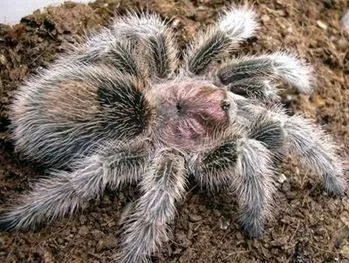
Owning a Rose Hair Tarantula offers numerous benefits. They are relatively low-maintenance pets, do not require a lot of space, and are generally docile. Their fascinating behavior and unique appearance make them engaging pets to observe. However, there are also cons to consider. Tarantulas require specialized care, and their needs must be met to keep them healthy. They are not ideal pets for people who are squeamish about insects or spiders. Additionally, their bites can be painful, although they rarely bite. Potential owners should carefully weigh these pros and cons before deciding to adopt a Rose Hair Tarantula.
Proper Care and Handling
Providing proper care is vital for the health and happiness of your Rose Hair Tarantula. This includes everything from setting up their enclosure to providing the right environmental conditions. Understanding their needs and how to handle them safely are key to successful ownership.
Enclosure Requirements
The enclosure should be appropriately sized for the tarantula, with enough floor space for it to move around. A 10-gallon tank is usually sufficient for adults. The enclosure should have a secure lid to prevent escape and be well-ventilated to allow for airflow. The substrate should be a mix of peat moss, coconut fiber, and vermiculite, which will help retain humidity. Hides, such as cork bark or artificial plants, should also be provided. Avoid the use of sharp objects, which could injure the tarantula.
Humidity and Temperature
Rose Hair Tarantulas thrive in a moderately humid environment with temperatures between 75-85°F (24-29°C). The humidity levels should be around 60-70%. Monitoring temperature and humidity is best achieved using a thermometer and hygrometer. Regular misting with a spray bottle can help maintain the correct humidity levels. Avoid placing the enclosure in direct sunlight or near heat sources that can alter the temperature and humidity levels.
Common Health Issues
Like any pet, Rose Hair Tarantulas can encounter health issues. Knowing about these issues and how to manage them is a necessary part of caring for them. Common issues include parasites, injuries, and problems associated with molting.
Moulting Process
Moulting is a natural process where tarantulas shed their exoskeletons to grow. This process is vital for their health and growth. Recognizing the signs of an impending molt and knowing how to assist is critical for tarantula care.
Moulting Frequency
Juvenile tarantulas molt more frequently, sometimes every few months, whereas adults molt less often, often only once a year or even less. The frequency depends on the age, feeding, and growth rate. It is crucial to maintain proper environmental conditions during this time, as it is stressful for the tarantula.
How to Handle a Moult
During a molt, the tarantula will usually turn on its back. Avoid disturbing the tarantula during the moulting process. Ensure the enclosure has adequate humidity and that it is free from potential hazards. After the molt, the tarantula’s fangs and exoskeleton will be soft; avoid feeding the tarantula until its fangs have hardened, typically a week or more. Providing a shallow water dish during this period helps maintain hydration.
Conservation Status
The Rose Hair Tarantula is not currently listed as an endangered species. However, habitat loss and the pet trade can pose potential threats. Responsible pet ownership, which includes buying tarantulas from reputable breeders and providing appropriate care, is crucial. Supporting conservation efforts and being aware of the impact of our actions can help protect these fascinating creatures for future generations. Understanding the conservation status allows owners to be more environmentally conscious when it comes to their pets.
In conclusion, the Rose Hair Tarantula is a captivating creature that offers a unique experience to pet owners. By understanding their basic biology, behavior, and care requirements, owners can enjoy the company of these fascinating arachnids while contributing to their conservation. From their docile temperament to their impressive lifespan, the Rose Hair Tarantula is a rewarding pet for those willing to provide them with the necessary care and attention. Embracing the opportunity to learn more about these creatures enhances the experience of owning them, and ultimately, benefits the tarantula itself.