What Rose Hair Tarantulas Eat
Rose hair tarantulas, known for their docile nature and striking appearance, are popular pets. Understanding their dietary needs is crucial for their health and longevity. While they may be able to eat mice, it’s essential to understand the pros and cons before considering this feeding option. This comprehensive guide explores the natural diet of rose hair tarantulas, the practice of feeding them mice, and important considerations for responsible pet ownership. Let’s delve into the fascinating world of rose hair tarantula nutrition and discover the best ways to keep your pet healthy and thriving.
The Natural Diet of Rose Hair Tarantulas
In their native habitats of South America, rose hair tarantulas are opportunistic predators. Their diet primarily consists of insects, which they actively hunt or ambush. Crickets, mealworms, and roaches are common staples in their natural feeding habits. They also occasionally consume other small invertebrates. The feeding habits of rose hair tarantulas are largely influenced by prey availability and the tarantula’s growth stage. Young tarantulas, or spiderlings, consume smaller prey items, while adults are capable of consuming larger insects. The adaptability of the rose hair tarantula allows them to survive and flourish in a variety of environments, provided they have access to a consistent supply of food.
Insects as a Primary Food Source
Insects form the cornerstone of a rose hair tarantula’s diet. Crickets are a particularly popular choice, readily available and easy to breed. Mealworms offer a different nutritional profile and are a good addition to the diet. Roaches, while perhaps less appealing to some, are a nutritious option that tarantulas readily accept. When selecting insects, it’s crucial to ensure they are gut-loaded, meaning they have been fed nutritious food before being offered to the tarantula. This ensures that the tarantula receives a balanced diet, including essential vitamins and minerals. The size of the insects should be appropriate for the tarantula, typically no larger than the spider’s body length. Proper insect husbandry is a key element in maintaining a healthy tarantula.
Why Mice Are Fed to Tarantulas
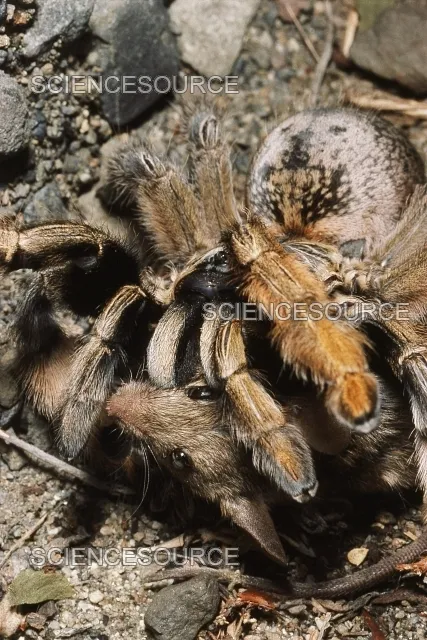
Feeding mice to rose hair tarantulas is a practice that some keepers consider, though it is not universally recommended. Mice offer a high-protein meal, potentially providing a boost in nutrients. Some believe that feeding mice occasionally can provide variety to the tarantula’s diet and satisfy the spider’s predatory instincts. However, this should be approached with caution, as the benefits must be weighed against the potential risks. It’s essential to fully understand the implications before deciding to feed a mouse to your rose hair tarantula. The practice is often reserved for adult tarantulas, as spiderlings and juveniles are not equipped to handle such a large meal. The tarantula’s overall health and the frequency of mouse feeding should also be considered carefully.
Nutritional Benefits for Rose Hair Tarantulas
From a nutritional standpoint, mice can offer benefits due to their higher protein and fat content compared to insects. The protein is essential for growth and muscle development, and the fat provides energy. However, the nutritional profile can vary based on the mouse’s diet. It’s important to consider that while mice can provide these nutrients, an overreliance on them can lead to an unbalanced diet. A varied diet, including insects and other supplements, is crucial for the long-term health and well-being of a rose hair tarantula. Always do your research and consult with experienced tarantula keepers to ensure you are providing the best possible nutrition for your pet.
The Risks of Feeding Mice to Tarantulas

Feeding mice to rose hair tarantulas is not without risks. Mice can carry parasites or diseases that could be transmitted to the tarantula. Additionally, the bones of the mouse are difficult for the tarantula to digest, potentially leading to impaction or other health issues. The size of the mouse is also a critical factor; if it is too large, the tarantula may struggle to consume it. Furthermore, the act of hunting and killing a mouse might be stressful for the tarantula. For these reasons, many keepers opt to avoid feeding mice altogether, or reserve it for occasional treats. It’s important to weigh the potential benefits against these risks and make an informed decision.
Potential Diseases and Parasites
Mice can harbor various diseases and parasites that can be harmful to rose hair tarantulas. Internal parasites like pinworms and tapeworms can infect the spider, leading to digestive issues and overall poor health. Bacterial infections, such as Salmonella, can also be transmitted. Therefore, if you choose to feed mice, it’s crucial to source them from a reputable supplier who can guarantee they are disease-free. Quarantining the mice before feeding is another precautionary step to reduce risks. Regular observation of the tarantula’s behavior and health is also vital so you can identify any potential problems. Always consult with a veterinarian specializing in exotic animals if you notice any signs of illness.
The Ethics of Feeding Mice
The ethical considerations surrounding feeding mice to tarantulas are important. Some people are uncomfortable with the idea of intentionally feeding a living animal to another, while others believe it is a natural behavior. The perspective varies, and it is a matter of personal conviction. If you choose to feed mice, consider the welfare of both the mouse and the tarantula. Ensure a quick and humane death for the mouse, and make sure your tarantula is healthy and able to consume the prey. Thinking carefully about these ethical questions helps responsible pet ownership. Also, be mindful of your own feelings regarding the practice. If it causes you significant distress, there are alternative feeding options available.
How to Properly Feed a Mouse to Your Tarantula

If you decide to feed a mouse to your rose hair tarantula, there are certain steps to take to ensure the safety and well-being of your pet. First, ensure the mouse is the appropriate size – usually no larger than the tarantula’s body. Consider pre-killed mice for ease and to minimize the risk of injury to the tarantula. Never leave a live mouse unattended in the tarantula’s enclosure, as it could potentially injure the spider. Place the mouse near the tarantula, and allow the spider to initiate the feeding. Monitor the tarantula after feeding, and remove any uneaten portions to maintain a clean environment. Always wash your hands thoroughly after handling mice and cleaning the enclosure. Observe your tarantula to ensure they are eating well and properly digesting the mouse.
Choosing the Right Mouse Size
Selecting the correct size of mouse is crucial for your tarantula’s safety. The mouse should be proportionate to the tarantula’s body, generally the same size or a little smaller. A mouse that is too large can overwhelm the spider and cause stress, or even pose a risk of the tarantula being injured during the feeding process. It is preferable to feed a pre-killed mouse, which allows for precise size control. Mouse size should be adjusted as the tarantula grows. As the tarantula molts and increases in size, the size of the mouse offered should increase gradually. This will help ensure your tarantula is able to properly ingest and digest the mouse. Proper feeding size is essential to avoid any health problems and ensure the overall well-being of the tarantula.
Preparing the Mouse for Feeding
When offering a mouse, the best practice is to use a pre-killed mouse. This prevents the mouse from potentially injuring the tarantula and provides a more humane option. If you are using a frozen mouse, thaw it completely before offering it to your pet. Ensure it’s at room temperature and not too cold. Remove any excess moisture. Using tongs to offer the mouse allows you to position it near the tarantula without putting your hand at risk. Watch carefully and allow the tarantula to initiate the feeding. If the tarantula is not interested, remove the mouse after a short period and try again later. Proper preparation and handling of the mouse will ensure a safe feeding experience for both you and your pet.
Observing Your Tarantula During Feeding

Careful observation during feeding is very important. It lets you assess the tarantula’s feeding response and general health. Look for the spider to show interest in the mouse. If the tarantula is hungry, it should readily approach and grasp the prey. If the tarantula is not interested, it may not be hungry, and you can remove the mouse. Ensure the tarantula is able to handle the mouse effectively. After feeding, observe the tarantula for any unusual behavior, such as regurgitation or lethargy. Monitor the tarantula’s abdomen for any signs of bloating. Consistent observation will help you to identify any potential problems. Also, pay attention to the molting cycle. The tarantula may not eat right before or after a molt. Keep a record of your feedings to track the tarantula’s eating patterns.
Alternative Food Options
If you prefer not to feed mice, or if you simply want to vary the diet, there are several alternative options. Crickets, mealworms, and roaches are readily available and offer a balanced diet. These insects provide essential nutrients, making them a great food choice. Waxworms can be given as a treat, although they are high in fat and should be fed sparingly. The key is to offer a variety of insects to meet the nutritional needs of the tarantula. The most important thing is to ensure that the tarantula gets a complete and balanced diet through the foods you provide. A varied diet is essential to the health and vitality of your pet.
Other Food Options for Rose Hair Tarantulas
Besides the primary diet of insects, there are other food options you can consider. Occasional treats like small pieces of cooked chicken can be offered, though they are not essential. Some keepers have offered small pieces of lean meat. It is important to remember that these should only be occasional additions to the diet. The main focus should always be on insects, supplemented with other foods. The best approach is to offer a variety of foods to meet the tarantula’s nutritional needs. Always avoid processed foods. Remember, a balanced diet, consisting of insects, is the key to keeping your tarantula healthy and happy. Regularly research the recommended diet for your tarantula to ensure they get everything they need.
Supplementing the Diet

Supplementing the diet is a great way to improve the nutritional value of your tarantula’s meals. Gut-loading insects before feeding them to your pet is a crucial practice. This involves feeding the insects nutritious food, such as fresh vegetables and vitamin-enriched commercial diets. This ensures that the tarantula receives a balanced supply of vitamins and minerals, which are vital for its health. Calcium and vitamin supplements can also be added to the diet, especially during growth phases. By taking the time to prepare and supplement the tarantula’s food, you can ensure it receives all the required nutrients for a long, healthy life. Provide fresh water in a shallow dish at all times.
Conclusion
In conclusion, whether or not a rose hair tarantula eats a mouse is a question of choice and responsible pet ownership. While mice can be a food source, they are not essential to the tarantula’s diet. A balanced diet consisting primarily of insects, supplemented with other options, is most important. Always prioritize the tarantula’s health, safety, and the ethical considerations involved. By understanding the nutritional needs of your tarantula and providing the best care, you can ensure that your rose hair tarantula will lead a healthy and fulfilling life. Keep learning and stay informed about the best ways to care for your fascinating pet.