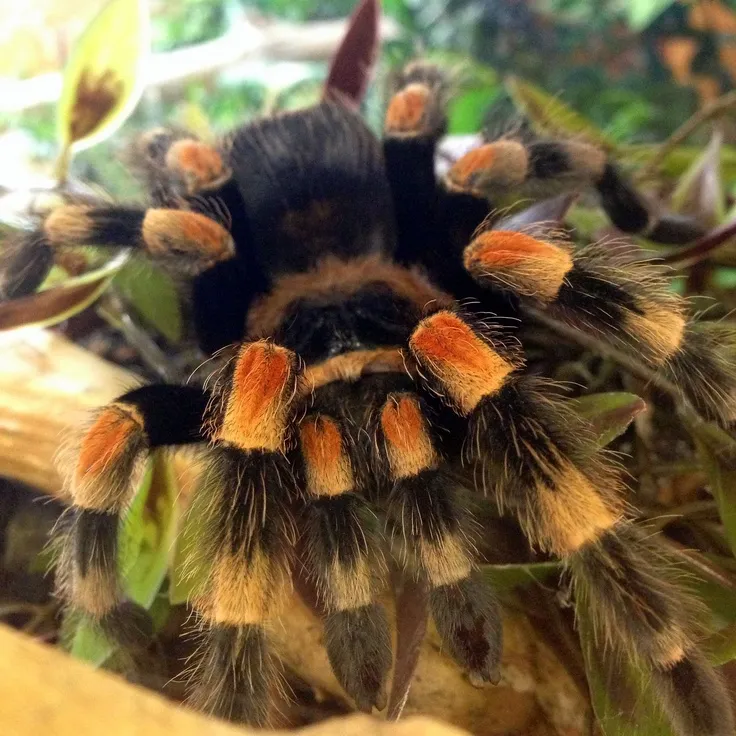
Top 5 Facts about Red Knee Tarantula Venom
The red knee tarantula, Brachypelma hamorii, is a captivating species, renowned for its striking coloration and relatively docile temperament. However, like all tarantulas, it possesses venom, a tool primarily used for subduing prey and, as a last resort, for defense. While the red knee tarantula’s venom is not typically life-threatening to humans, understanding its properties and effects is crucial for responsible pet ownership and appreciating these fascinating creatures. This article delves into the top 5 facts about red knee tarantula venom, providing valuable insights into its composition, impact, and significance.
What is Red Knee Tarantula Venom
Tarantula venom is a complex mixture of proteins, enzymes, and other compounds produced in venom glands located in the chelicerae (fangs). It serves a dual purpose: to paralyze or kill prey, and to deter predators. In the case of the red knee tarantula, the venom is delivered through two hollow fangs, which inject the venom into the target. The venom’s composition varies slightly depending on the tarantula’s age, health, and environmental factors, but it always contains a mix of neurotoxins, enzymes, and other substances that work together to achieve their intended effects. This complex cocktail is what makes the venom effective in both hunting and defense scenarios. Red knee tarantula venom is not designed for humans, therefore its effect on human is limited.
Components of the Venom

The venom of a red knee tarantula is a complex cocktail of various components. These include neurotoxins, which affect the nervous system; enzymes, which break down tissues; and other bioactive compounds. The specific composition can vary, but common components include phospholipases, hyaluronidases, and various peptides. Neurotoxins are designed to disrupt nerve signals, leading to paralysis in the prey. Enzymes such as hyaluronidase can help the venom spread through tissues. Further research continually reveals the nuances of this complex venom, shedding light on the specific mechanisms of action and potential medical applications. Detailed knowledge of venom composition enables scientists to understand the effects of a bite better.
Fact 1 The Toxicity Level
The red knee tarantula’s venom is considered to have a relatively low toxicity level for humans. Compared to some other venomous creatures, the venom of this tarantula is not lethal. The primary effects of a bite are usually localized, meaning they are confined to the area of the bite. Symptoms can include pain, redness, swelling, and itching. In rare cases, more systemic symptoms such as muscle cramps or nausea might occur, but these are usually mild and temporary. The overall impact is significantly less severe than that of many other venomous animals. The toxicity level is often measured using scales like the LD50 (Lethal Dose 50), though this is difficult to apply directly to tarantula venom.
Fact 2 Effects on Humans
When a human is bitten by a red knee tarantula, the immediate effects are typically localized and mild. Common symptoms include sharp pain at the bite site, which can be followed by redness, swelling, and itching. Some individuals might experience muscle cramps or nausea, but these are less frequent. The duration of these symptoms varies, but they usually subside within a few hours to a couple of days. The venom’s effect on humans is primarily due to the proteins and enzymes within it, which can cause an inflammatory response. Severe reactions are extremely rare, especially compared to bites from more dangerous species. The primary concern is often the psychological response to being bitten, rather than the venom’s direct effects.
Fact 3 Venom’s Role in Hunting

The red knee tarantula uses its venom primarily for hunting. The venom’s main purpose is to immobilize or kill its prey, which typically consists of insects, such as crickets, cockroaches, and mealworms. When the tarantula bites its prey, the venom is injected, causing paralysis. This paralysis allows the tarantula to safely consume the prey without a struggle. The venom’s action on the prey’s nervous system is rapid, ensuring the tarantula’s success in capturing its food. The specific neurotoxins in the venom target the insect’s nervous system, effectively shutting down its ability to move and ultimately leading to its demise. The hunting process is a display of this tarantula’s predatory behavior, showcasing the role of venom in its survival.
Fact 4 Venom and Medical Research
Tarantula venom, including that of the red knee tarantula, is of interest to medical researchers for its potential therapeutic applications. The various components in the venom, such as peptides and enzymes, are being studied for their potential in developing new drugs. Some research focuses on the venom’s ability to block specific nerve pathways, which could lead to new pain medications. Additionally, some components are being investigated for their role in treating neurological disorders or even cancer. While this research is still in its early stages, the unique properties of tarantula venom offer a promising avenue for developing novel pharmaceuticals. The study of tarantula venom exemplifies how natural toxins can inform medical advancements, potentially leading to breakthroughs in the treatment of various diseases. This image shows a scientist studying the composition of the venom.
Fact 5 How to Treat a Bite
If bitten by a red knee tarantula, the primary treatment focuses on managing the symptoms. Initially, the bite area should be cleaned with soap and water to prevent infection. Applying a cold compress can help reduce swelling and pain. Over-the-counter pain relievers, such as ibuprofen or acetaminophen, can be taken to manage discomfort. It is important to monitor the bite for any signs of infection, such as increased redness, pus, or fever. In rare cases of severe allergic reactions, medical attention should be sought immediately. While the venom is not typically life-threatening, proper care and observation are essential. Prompt and appropriate management of the symptoms ensures a swift recovery, minimizing any potential complications.
Are Red Knee Tarantulas Dangerous

Generally, red knee tarantulas are not considered highly dangerous to humans. Their venom has a relatively low toxicity, and serious reactions are rare. However, like any venomous animal, they pose a risk, particularly to those with allergies or other health conditions. The primary danger is usually associated with the bite itself, rather than the venom’s potency. Factors such as the bite’s location and the individual’s sensitivity can influence the severity of the reaction. It is crucial to handle these tarantulas with caution, as improper handling can lead to bites. Responsible ownership includes understanding the risks and taking appropriate precautions to minimize potential hazards.
Bite Severity Factors
Several factors can influence the severity of a red knee tarantula bite. The amount of venom injected is one critical factor; a deeper bite might deliver more venom. The bite location also plays a role; bites near sensitive areas, like the face or neck, might cause more significant reactions. Individual sensitivity is another key factor. Those with allergies or pre-existing health conditions might experience more severe symptoms. Psychological factors also affect how one experiences the bite. Stress or anxiety can exacerbate the physical symptoms. Understanding these factors is vital for assessing the risks and taking appropriate actions after a bite. The potential for various reactions highlights the need for responsible pet ownership and careful handling.
Preventing Bites
Preventing bites from red knee tarantulas involves several key precautions. Firstly, always handle the tarantula with care and respect. Avoid sudden movements that might startle the tarantula. Use appropriate tools, such as tongs, to move the tarantula, minimizing direct contact. Regular enclosure maintenance is essential; ensure that the habitat is secure, and the tarantula cannot escape. Proper feeding practices also contribute to bite prevention. Avoid hand-feeding and use tongs or other tools to offer food. Thoroughly research the animal’s needs and behavior before obtaining one, and be aware of any signs of aggression, such as raising the front legs or showing the fangs. Creating a safe and stable environment for the tarantula will greatly reduce the chances of a bite. This image depicts a tarantula inside an enclosure.
Conclusion

In conclusion, the venom of the red knee tarantula, while not considered highly dangerous to humans, is a fascinating subject. Understanding its composition, effects, and the potential for future medical applications highlights the importance of studying these creatures. Responsible pet ownership involves learning about the venom’s properties and taking the necessary precautions to prevent bites. The more we understand about red knee tarantula venom, the better we can appreciate these amazing arachnids and their role in the natural world. Continued research into tarantula venom may open new avenues for treating various diseases and furthering our understanding of biology. The study of venom continues to be a significant and promising field.