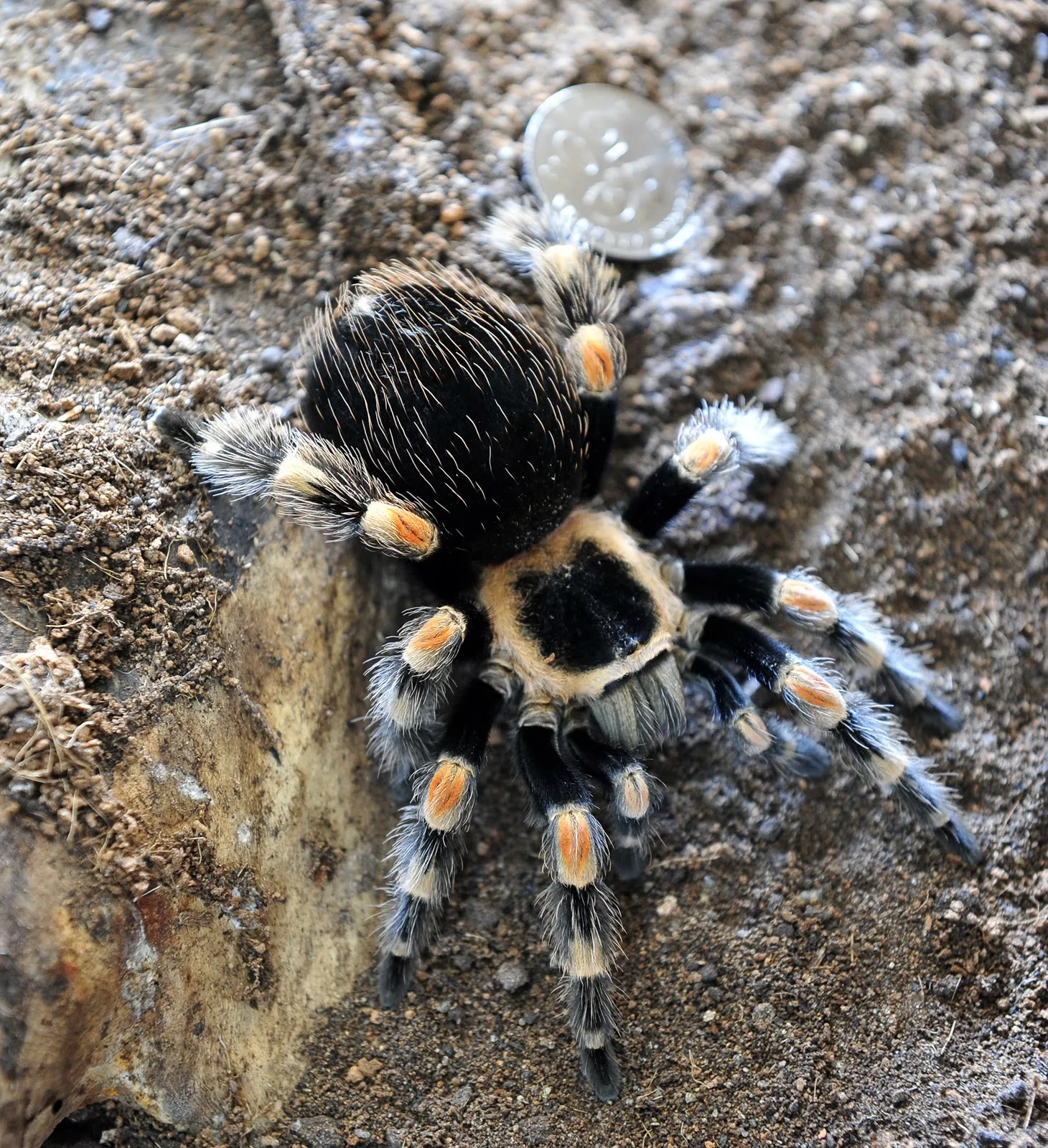
What is a Mexican Red Knee Tarantula Female?
The Mexican Red Knee Tarantula, scientifically known as Brachypelma hamorii, is a popular choice for tarantula enthusiasts due to its striking appearance and relatively docile temperament. Female Red Knees are particularly sought after because they are known to live much longer than their male counterparts. These fascinating arachnids, native to the arid scrublands and tropical forests of the Pacific coast of Mexico, are easily recognizable by the vibrant red-orange markings on their leg joints, contrasting beautifully with their black bodies. These beautiful creatures are a great addition to any home that loves pets. Understanding the characteristics of a female Mexican Red Knee Tarantula is key to providing proper care and ensuring a long, healthy life for your pet.
Lifespan and Size of Female Red Knee Tarantulas
One of the most appealing aspects of owning a female Mexican Red Knee Tarantula is their impressive lifespan. Females can live for 20 to 30 years, making them a long-term commitment. In contrast, males typically live only 5 to 10 years. The size of a female Red Knee also makes them impressive. Fully grown, they can have a leg span of up to 6 inches or more, a significant size that contributes to their visual appeal. Their size is a testament to the slow and steady growth process they undergo throughout their lives. This makes female Red Knees not only beautiful but also a rewarding pet for those who appreciate the unique lifecycle of tarantulas. Owning a female tarantula is a long-term commitment, but it is well worth the investment.
How to Provide the Right Habitat for Your Tarantula

Creating a suitable habitat is crucial for the well-being of your Mexican Red Knee Tarantula. They thrive in a terrestrial setup, meaning they spend most of their time on the ground. The enclosure should be appropriately sized, allowing the tarantula to move comfortably without being overcrowded. A general rule of thumb is to provide an enclosure that is at least three times the tarantula’s leg span in width. The enclosure should also have good ventilation to prevent the buildup of moisture and mold. The habitat setup should mimic their natural environment, providing security and promoting natural behaviors. Providing the right environment is the most important thing to do to help your tarantula live a long and healthy life.
Temperature and Humidity
Temperature and humidity are critical factors in maintaining a healthy environment for your Red Knee. They prefer temperatures between 75°F and 85°F (24°C and 29°C). Using a heat mat or a low-wattage heat lamp can help maintain this temperature, especially in cooler environments. Humidity levels should be kept relatively low, around 60% to 70%. You can achieve this by lightly misting one side of the enclosure once or twice a week, ensuring the substrate doesn’t become overly saturated. Monitoring the temperature and humidity with a thermometer and hygrometer is essential for making necessary adjustments to the environment and maintaining optimal conditions.
Substrate and Enclosure
The substrate, or bedding, should be a mix of materials that can retain some moisture while also providing the tarantula with a comfortable environment for burrowing. A mixture of peat moss, coconut fiber, and a small amount of vermiculite is ideal. The substrate should be deep enough for the tarantula to burrow, typically 4 to 6 inches. The enclosure itself should be secure, with a tight-fitting lid to prevent escape. Provide a water dish that is shallow and easily accessible, ensuring the tarantula always has a source of fresh water. Decorate the enclosure with a hide, such as a piece of cork bark, to give the tarantula a place to retreat and feel safe. These tarantulas are very sensitive to environmental changes, so it is important to have the right type of enclosure to allow them to thrive.
Feeding Your Red Knee Tarantula Female

Feeding your Mexican Red Knee Tarantula is a straightforward process, but it’s important to provide a balanced diet and avoid overfeeding. These tarantulas are voracious eaters, but it’s essential to understand their dietary needs to keep them healthy. A well-nourished tarantula will grow and thrive, and a female Red Knee will live a long and happy life. The right food and quantity are the secrets to success. Avoid feeding your tarantula live prey that is bigger than the tarantula’s abdomen. The abdomen can swell up significantly, and the tarantula may not want to eat the food.
What to Feed Your Tarantula
The primary diet of a Mexican Red Knee Tarantula consists of live insects. Crickets, mealworms, and roaches are all excellent choices. Ensure that the insects are gut-loaded, meaning they are fed nutritious food before being offered to the tarantula. This enhances the nutritional value of the prey, providing your tarantula with essential vitamins and minerals. It is best to avoid feeding wild-caught insects, as they may carry parasites or pesticides that could harm your tarantula. Always monitor your tarantula’s feeding response and adjust the diet accordingly.
How Often to Feed
The feeding frequency depends on the tarantula’s age and size. Spiderlings and juveniles may need to be fed two to three times a week. Adult females can be fed once or twice a week. Observe your tarantula’s abdomen; if it appears plump, it may be well-fed, and you can space out feedings. If your tarantula refuses to eat, it could be a sign that it is about to molt. Remove uneaten prey after 24 hours to prevent stress. Ensure you are giving your tarantula enough food to help it thrive. Overfeeding can lead to health issues. Feeding should be adjusted according to the age of the tarantula.
Molting Process: What to Expect

Molting is a natural and essential process for tarantulas, allowing them to grow and replace their exoskeleton. Understanding the molting process is vital for providing the right care during this vulnerable time. During a molt, the tarantula sheds its old exoskeleton, revealing a new, larger one. This process can be stressful, so it’s essential to create an environment that supports the tarantula through it. Before the molt, your tarantula may lose its appetite and become less active. It’s best to avoid disturbing the tarantula during this period. Keep the environment clean and provide a safe space.
Recognizing Signs of Molting
Several signs indicate that your tarantula is preparing to molt. The tarantula’s abdomen may appear darker, and its legs and body may appear swollen. It may stop eating and retreat to its hide. You might also notice a change in its behavior, such as an increase in lethargy. Some tarantulas will create a web mat in preparation for molting. Recognizing these signs allows you to provide a stress-free environment and avoid disturbing the tarantula during this sensitive period. It is very important to let the tarantula be and avoid disturbing it. If the tarantula is disturbed during this time, it could die.
What to Do During Molting
During the molting process, avoid disturbing your tarantula. Ensure the enclosure has proper humidity, but do not mist directly on the tarantula. Remove any uneaten prey to prevent the tarantula from being disturbed. Molting can take anywhere from a few hours to a few days. After the molt, the tarantula’s exoskeleton will be soft, and it will need time to harden. Do not feed the tarantula until its fangs have fully hardened, typically about a week after the molt. Patience and a safe environment are the keys to a successful molt.
Common Health Issues and How to Prevent Them

While Mexican Red Knee Tarantulas are generally hardy, they can still be susceptible to certain health issues. Many of these issues are preventable with proper care and attention. Regular monitoring of your tarantula’s environment and behavior is essential. By being proactive, you can minimize the risk of health problems and ensure your pet’s well-being. The majority of health issues can be prevented, but if one occurs, you can take the right steps to minimize the damage.
Parasites and Pests
Parasites and pests are not common in captive tarantulas, but it’s essential to be aware of them. Mites can sometimes infest tarantulas, particularly if the substrate is too damp. These tiny creatures can be identified by their small size and reddish color. If you suspect mites, you can improve the enclosure’s ventilation, replace the substrate, and consult with a veterinarian experienced in exotic animals. Other potential pests include fruit flies, which can be attracted to uneaten food. Regular cleaning of the enclosure and the removal of uneaten prey are essential to prevent infestations.
Handling and Safety Considerations
Mexican Red Knee Tarantulas are known for their docile temperament, but handling them should be approached with caution. Tarantulas are not generally aggressive, but they can bite if they feel threatened or provoked. Their venom is not considered medically significant to humans, but the bite can be painful. Safety should always be your top priority. Proper handling techniques and an understanding of tarantula behavior can help you avoid injuries to both you and your pet. Keep your hands away from the tarantula’s fangs. Observe the tarantula’s behavior before handling.
Do Red Knee Tarantulas Bite

Yes, Red Knee Tarantulas can bite if they feel threatened. Bites are uncommon, but it’s essential to be prepared. A bite from a Red Knee Tarantula typically causes localized pain, swelling, and redness. The bite is often compared to a bee sting. If bitten, clean the wound with soap and water and monitor for any signs of infection. Most people do not have serious reactions to the venom of a Red Knee Tarantula, but medical attention should be sought if symptoms become severe. Avoid handling them as much as possible, and always respect their space.
Venom Potency
The venom of a Mexican Red Knee Tarantula is relatively mild compared to some other species. The venom is primarily used for subduing prey. For humans, the venom is not considered life-threatening. However, some individuals may experience an allergic reaction to the venom. Symptoms can include localized pain, itching, and swelling. It’s important to monitor any reaction after a bite and seek medical attention if necessary. Always be cautious when handling tarantulas and avoid any actions that might startle or threaten them.
Breeding Mexican Red Knee Tarantulas
Breeding Mexican Red Knee Tarantulas is a rewarding but advanced undertaking. It requires patience, knowledge, and the ability to provide specialized care. Breeding involves carefully managing the environment, introducing the male and female tarantulas, and providing the appropriate conditions for mating and egg laying. Success depends on understanding the tarantula’s breeding cycle and being prepared for the care of the spiderlings. Breeding can be very rewarding if done correctly.
Conclusion

Caring for a female Mexican Red Knee Tarantula can be a rewarding experience for those who appreciate these amazing creatures. By providing the proper habitat, diet, and understanding of their behavior, you can ensure that your tarantula lives a long and healthy life. Remember that these tarantulas are long-term pets, so do your research and be prepared to dedicate the time and effort needed to keep them happy and healthy. Enjoy the fascinating world of the Mexican Red Knee Tarantula and appreciate the unique beauty and behavior of these incredible arachnids. Owning a pet is a wonderful experience, and they are wonderful animals.