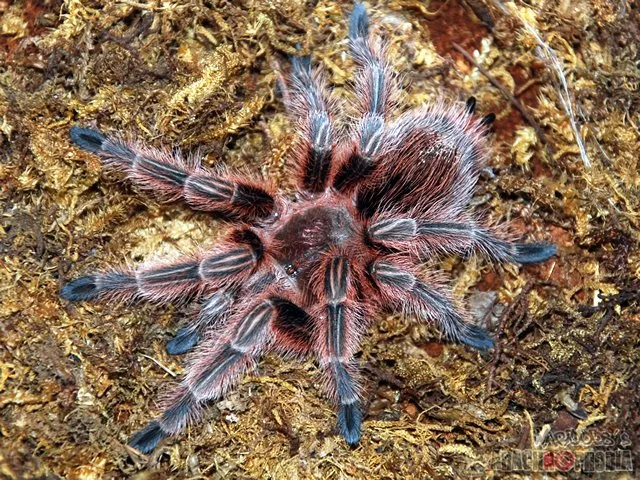
What is a Red Chilean Tarantula (RCF)
The Red Chilean Tarantula (Grammostola rosea), often abbreviated as RCF, is a popular pet tarantula known for its docile nature and striking appearance. Native to the dry scrublands of Chile, Argentina, and Bolivia, these arachnids have become favorites among beginner tarantula enthusiasts. Their reddish-brown coloration and relatively calm temperament make them a fascinating addition to any home. Understanding the basics of the Red Chilean Tarantula’s life and care is essential for providing a healthy and enriching environment.
Appearance and Characteristics
RCFs are typically reddish-brown, with variations in shade depending on the individual tarantula and its environment. The carapace (the shell-like covering on the cephalothorax) and legs are usually a darker brown, while the abdomen can range from a lighter reddish-brown to a more vibrant brick color. They are covered in fine hairs, which play a role in their sensory perception and defense mechanisms. These tarantulas have eight eyes, but their vision is not particularly sharp; they rely more on vibrations and other sensory input. The overall appearance is robust and appealing, contributing to their popularity as pets. A healthy RCF will have a well-rounded abdomen, indicating good feeding habits.
Size and Lifespan

Adult female Red Chilean Tarantulas can reach a leg span of up to 5-6 inches, while males are typically slightly smaller. Their lifespan is another attractive feature; females can live for 15-20 years or longer, making them a long-term commitment. Male RCFs, unfortunately, have a shorter lifespan, usually living only a few years after reaching maturity. This difference in lifespan is a crucial consideration for potential owners, influencing the care and long-term planning required for these fascinating creatures. Their relatively long lifespan makes them a rewarding pet for those willing to dedicate the time and resources to their care.
Habitat and Natural Behavior
Where Do They Live
In their natural habitat, Red Chilean Tarantulas inhabit the dry scrublands and grasslands of Chile, Argentina, and Bolivia. They prefer warm, arid environments and are often found in burrows or under rocks and logs to escape the harsh sunlight and find shelter from predators. The landscape is characterized by sparse vegetation and dry, well-draining soil. Understanding their natural environment is key to replicating it in captivity to ensure the tarantula’s well-being. The geography in the wild often consists of various types of terrains ranging from flat lands to moderately inclined hilly terrains.
Burrowing and Hiding Behavior

Red Chilean Tarantulas are terrestrial spiders and are primarily burrowing creatures, especially when younger. They dig burrows to create a secure shelter where they can hide from predators and regulate their body temperature. In captivity, they will often use the provided substrate to create a burrow or a hide. They are generally nocturnal, being most active during the night, spending their days hidden in their burrows. This behavior is an important aspect of their natural instincts and must be accommodated when keeping them as pets. Provide a substrate deep enough for them to burrow and a hide for added security to support their natural behavior.
Diet and Feeding Habits
What Do They Eat
Red Chilean Tarantulas are opportunistic predators. Their diet primarily consists of insects. In the wild, they eat crickets, grasshoppers, beetles, and other invertebrates. In captivity, crickets, mealworms, and roaches are commonly used as food sources. The size of the prey should be appropriate for the size of the tarantula – generally, the prey should be no larger than the tarantula’s body. Providing a varied diet can also help ensure they receive all the necessary nutrients for healthy growth and development. Proper nutrition is crucial for the overall health and longevity of your tarantula.
Feeding Frequency and Techniques

Young tarantulas should be fed more frequently, usually two to three times a week, while adults can be fed once a week or even less often. Overfeeding should be avoided, as it can lead to health problems and shorten their lifespan. The frequency will also depend on the tarantula’s size and appetite. Observing their behavior is key – if they refuse to eat, it may be an indication that they are about to molt. Remove any uneaten prey after 24 hours to prevent stress and potential harm to the tarantula. Ensure fresh water is always available, usually in a shallow dish.
Venom and Defensive Mechanisms
Is Their Venom Dangerous to Humans
The venom of the Red Chilean Tarantula is relatively mild to humans. A bite is unlikely to be life-threatening and is often compared to a bee sting. Symptoms typically include localized pain, redness, and swelling at the bite site. In rare cases, more severe reactions may occur, especially in individuals with allergies. While the bite is not generally considered dangerous, it’s best to avoid being bitten by exercising caution when handling the tarantula. It’s also worth noting that a tarantula may use its urticating hairs as a defense mechanism rather than biting.
Other Defensive Tactics
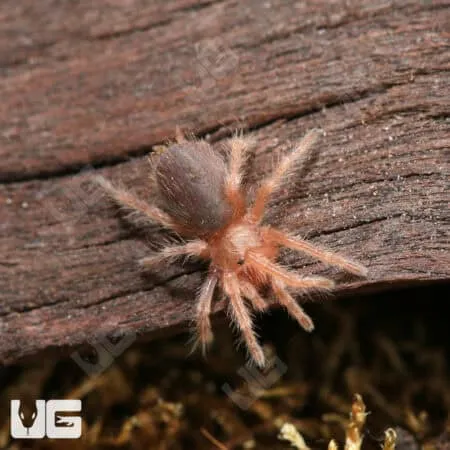
Besides their mild venom, Red Chilean Tarantulas have other defensive mechanisms. They can flick urticating hairs from their abdomen, which are irritating to the skin and eyes of potential predators or perceived threats. These hairs can cause itching and irritation, which is their primary defense. They also have a defensive posture, raising their front legs and fangs in a threat display. While generally docile, they will exhibit these behaviors if they feel threatened. Avoid sudden movements or provoking the tarantula to minimize the chances of such defensive reactions.
Red Chilean Tarantulas as Pets
Housing Requirements
The ideal enclosure for a Red Chilean Tarantula is a terrarium that is appropriately sized for its current size. A juvenile tarantula can start in a smaller enclosure, such as a deli cup or a small plastic container, and as it grows, it should be moved to a larger terrarium. For an adult, a 10-20 gallon tank is suitable. The enclosure should have a secure lid to prevent escapes. Substrate is also crucial. A substrate mix of coconut fiber, peat moss, and a bit of vermiculite is recommended, allowing for burrowing behavior. Provide a hide, such as a piece of cork bark or a hollow log, and ensure the tank is kept clean.
Temperature and Humidity

Red Chilean Tarantulas thrive in a temperature range between 75-85°F (24-29°C). A heat source like a heat mat can be used on the side of the terrarium to maintain the ideal temperature. Direct heat lamps are generally not recommended. The humidity level should be maintained at around 60-70%. This can be achieved by misting the enclosure with water every few days or providing a water dish. Regular monitoring of temperature and humidity levels is vital to ensuring a healthy and comfortable environment for your tarantula. A hygrometer and thermometer are important tools for maintaining the enclosure’s climate.
Conclusion
The Red Chilean Tarantula is a captivating species, offering a fascinating glimpse into the world of arachnids. Their docile nature, combined with their striking appearance, makes them a popular choice for beginner and experienced tarantula keepers. By understanding their characteristics, habitat needs, dietary requirements, and defensive mechanisms, you can ensure the health and well-being of your RCF. With proper care, these long-lived creatures can become rewarding companions, providing years of observation and enjoyment. Their relative ease of care makes them an excellent choice for anyone looking to explore the intriguing world of pet tarantulas. Owning a Red Chilean Tarantula is a commitment, but the rewards are undeniable.