What is the Polyphemus Moth
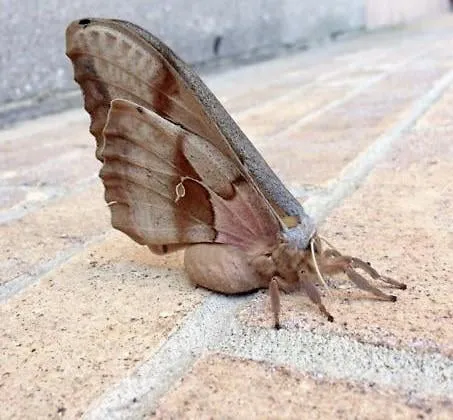
The Polyphemus moth (Antheraea polyphemus) is a fascinating insect, often described as a tarantula with wings due to its large size and striking appearance. This iconic North American moth is a member of the giant silk moth family and is easily recognizable by its impressive size and unique eye-like spots on its hindwings. These moths play a crucial role in their ecosystem, and their life cycle is a captivating example of nature’s wonders. Their presence is a sign of a healthy environment, making them a valuable indicator species. Learning about the Polyphemus moth offers a glimpse into the intricate beauty and complexity of the insect world, highlighting the importance of biodiversity and conservation efforts.
Appearance
The appearance of the Polyphemus moth is a key factor in its identification and allure. Their large size and striking patterns make them stand out among other moth species. The moths are known for their impressive wingspans and vibrant coloration, making them a favorite subject for nature enthusiasts and researchers alike. Their physical characteristics are not just for show; they also serve important functions in survival and reproduction, such as attracting mates and camouflaging against predators. These features contribute significantly to the overall beauty and ecological significance of this magnificent insect.
Size and Wingspan

Polyphemus moths are among the largest moths in North America, with wingspans that can reach up to six inches or more. This significant size allows them to be easily spotted in their natural habitats and distinguishes them from many other smaller moth species. The large wings are crucial for their flight and dispersal, enabling them to travel long distances to find mates and suitable habitats. The sheer size of these moths is a testament to their impressive adaptation and resilience in various environmental conditions. Their size also contributes to the grandeur and visual appeal of these incredible insects.
Coloration and Markings
The coloration and markings of the Polyphemus moth are another striking aspect of their appearance. Their wings display a range of colors, from tan and brown to shades of yellow and red, often with translucent patches that add to their delicate beauty. The most distinctive feature is the large, eye-like spots on the hindwings, which give the moth its common name, derived from the one-eyed giant Polyphemus in Greek mythology. These spots are believed to startle predators, offering the moth a chance to escape. The patterns and colors vary slightly depending on the individual moth and its geographic location, adding to the uniqueness of each specimen.
Habitat and Range
The Polyphemus moth thrives in a variety of habitats across North America, from forests and woodlands to suburban areas and orchards. Understanding their preferred habitats is crucial for appreciating and protecting their populations. Their adaptability allows them to survive in different environments, making them a relatively common sight in many regions. The range of the Polyphemus moth reflects their ability to colonize diverse ecosystems, highlighting their ecological significance and resilience in the face of environmental changes. Protecting these habitats is essential for the moth’s continued survival and contribution to the ecosystem.
Preferred Habitats

Polyphemus moths are typically found in areas with a good supply of host plants for their larvae and a relatively undisturbed environment. Deciduous forests, orchards, and areas with shrubs and trees are ideal habitats. They often prefer areas with a mix of vegetation that provides both food and shelter. The availability of host plants, such as oak, birch, and maple trees, is critical for the survival of their larvae. The moths tend to avoid areas with heavy pesticide use or significant habitat disruption. These preferences ensure they have access to the resources necessary to complete their life cycle successfully.
Geographic Distribution
The Polyphemus moth has a wide geographic distribution across North America, ranging from southern Canada throughout most of the United States. They are less common in the driest regions of the southwest but can be found in diverse climates and environments. The moth’s distribution is influenced by factors such as the availability of host plants, the presence of suitable breeding grounds, and climate conditions. Their widespread presence indicates their adaptability and resilience, allowing them to thrive in various regional ecosystems. Monitoring the moth’s distribution can help scientists understand the impact of environmental changes on insect populations.
Life Cycle
The life cycle of the Polyphemus moth is a captivating journey from egg to adult, encompassing distinct stages of development, each with its own unique characteristics and challenges. Understanding this cycle is crucial for appreciating the complexities of insect life and the intricate balance of nature. The moth’s transformation from a tiny egg to a magnificent adult is a testament to its remarkable adaptations and survival strategies. Observing and studying each stage of the life cycle provides valuable insights into the moth’s ecology and behavior.
Egg Stage

The life cycle begins with the egg stage, where the female Polyphemus moth lays her eggs on the leaves of host plants. These eggs are typically laid singly or in small clusters. The eggs are small, usually round or oval, and their color can vary. The eggs are carefully placed to provide the emerging larvae with an immediate food source. The duration of the egg stage varies depending on the environmental conditions, particularly temperature. This stage is a critical period for the moth, as the eggs are vulnerable to predators and environmental hazards. The success of this stage determines the initiation of the next phase of the moth’s life cycle.
Larval Stage
Once the eggs hatch, the larvae, or caterpillars, enter the larval stage. These caterpillars are voracious eaters, growing rapidly as they consume the leaves of their host plants. They undergo several molts, shedding their skin as they grow, and their appearance changes with each molt. The caterpillars of the Polyphemus moth are known for their vibrant green color and large size, which helps them to blend in with their surroundings. This stage is crucial for the accumulation of energy and resources needed for the pupal stage. The larvae also develop defense mechanisms, such as the ability to release a foul-smelling substance to deter predators.
Pupal Stage
After reaching their full size, the caterpillars enter the pupal stage, where they transform into moths within a silken cocoon. The pupal stage is a period of significant metamorphosis, where the larval tissues are broken down and reorganized to form the adult moth. The cocoon provides protection from predators and environmental conditions, allowing the pupa to develop undisturbed. The duration of the pupal stage can vary depending on the environmental conditions. This stage is a critical transition where the moth undergoes its final transformation, preparing it for its adult life.
Adult Stage

Once the pupa has fully developed, the adult moth emerges from the cocoon. The adult Polyphemus moth is focused on reproduction, with a primary focus on finding a mate and reproducing. The adult moth does not feed as it lacks a functional mouth, and its lifespan is relatively short. The adult stage is the final stage of the life cycle, where the moth’s primary goal is to continue the cycle by laying eggs. The adult moths are a beautiful spectacle, and their presence adds to the richness of the ecosystem, demonstrating their critical role in nature.
Diet and Feeding Habits
The diet and feeding habits of the Polyphemus moth vary depending on the stage of its life cycle. The larval stage involves extensive feeding, whereas the adult stage is largely focused on reproduction. Understanding these feeding habits is crucial for understanding the moth’s ecological role and how it contributes to the ecosystem’s balance. These habits also influence the moth’s distribution and interaction with other species, adding to its overall significance in nature.
Larval Diet
The larvae of the Polyphemus moth are herbivores, primarily feeding on the leaves of various deciduous trees. They have a diverse diet, consuming the foliage of oak, birch, maple, and other trees. Their feeding habits are essential for the development of the caterpillars, allowing them to grow and store energy for the pupal stage. The larvae’s voracious appetite can sometimes lead to significant defoliation, especially in areas with high caterpillar populations. Their diet plays a role in nutrient cycling within the ecosystem, and their feeding patterns impact the health of the host plants.
Adult Feeding

Adult Polyphemus moths do not feed. Unlike many other moth species, they lack functional mouthparts and rely on the energy stored during their larval stage. Their primary focus is on reproduction, and they dedicate their limited lifespan to finding mates and reproducing. They do not consume nectar, sap, or other food sources. This unique feeding behavior highlights the specialization of the Polyphemus moth, emphasizing its adaptation to a short-lived adult stage. Their lack of feeding simplifies their life cycle, concentrating their efforts on propagating the species.
Predators and Defense Mechanisms
The Polyphemus moth faces a variety of predators throughout its life cycle, from eggs to adults. To survive, the moth has evolved several defense mechanisms to protect itself from predation. Understanding the moth’s predators and defense strategies is crucial for appreciating its survival adaptations and role within the food web. The constant threat of predation has shaped the moth’s behavior, appearance, and survival strategies. These defense mechanisms are essential for maintaining its population and ecological role.
Natural Predators
Polyphemus moths are preyed upon by various animals throughout their life cycle. Birds, bats, rodents, and other insects are common predators of the larvae and adults. During the egg stage, the eggs are vulnerable to parasitoid wasps and other small predators. The pupae, enclosed in cocoons, are also susceptible to predation from birds and small mammals. The moths’ large size and conspicuous appearance make them attractive targets for predators. Predator pressure is a driving force in the evolution of the moth’s defense strategies and survival tactics.
Defense Strategies

The Polyphemus moth employs several defense mechanisms to avoid predation. The most notable is the presence of large, eye-like spots on its hindwings, which startle potential predators, giving the moth a chance to escape. The larvae have their own defenses, including camouflage and the ability to release a foul-smelling substance when threatened. The cocoon provides a protective barrier during the pupal stage. The moth’s nocturnal habits also help it to avoid daytime predators. These strategies are crucial for their survival and the continuation of the species.