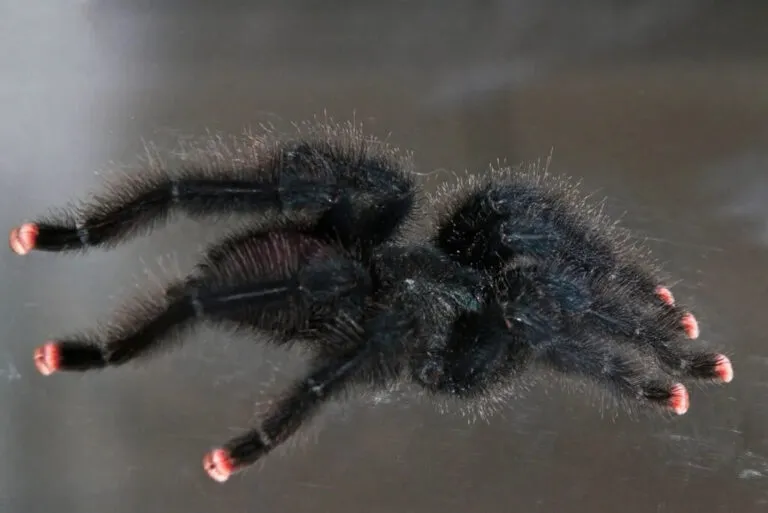
What Influences a Pink Toe Tarantula’s Lifespan
The lifespan of a Pink Toe Tarantula, scientifically known as Avicularia avicularia, is a significant consideration for any potential owner. Understanding the factors that influence how long these fascinating creatures live is crucial for providing proper care and ensuring their well-being. Several elements play a role in determining a tarantula’s lifespan, ranging from their sex to the environment they inhabit. This guide delves into the key aspects influencing the longevity of Pink Toe Tarantulas, providing insights into maximizing their life expectancy and ensuring they thrive.
Male Pink Toe Tarantula Lifespan
Male Pink Toe Tarantulas generally have a shorter lifespan compared to their female counterparts. This difference is primarily due to their biological role and the associated risks. After reaching maturity, males focus on mating and actively seek out females. This behavior, combined with the physical strain of mating, contributes to a shorter lifespan. This also means the males are more vulnerable to predators in the wild. It’s essential for owners to be aware of these differences when caring for their tarantulas.
Typical Lifespan of a Male Pink Toe Tarantula

On average, a male Pink Toe Tarantula can live for approximately 6 to 12 months after their final molt, also known as their maturation molt. This final molt is when the tarantula reaches sexual maturity and develops the necessary features for mating. However, this timeframe can vary based on various factors, including the tarantula’s overall health, living conditions, and genetics. It’s also important to note that the time spent in the juvenile stages does influence the lifespan, with better care meaning longer lifespans overall.
Factors Shortening Lifespan
Several factors can shorten a male Pink Toe Tarantula’s lifespan. Poor living conditions, such as inadequate temperature and humidity levels, can weaken the tarantula’s immune system and make it more susceptible to diseases. Improper diet, leading to malnutrition or obesity, also plays a significant role. Overhandling and stress can further compromise their health. Inadequate enclosure size and lack of proper ventilation can lead to stress. It’s important to note that these factors are interconnected, as one negative aspect often impacts others, further reducing the lifespan of the tarantula.
Female Pink Toe Tarantula Lifespan
Female Pink Toe Tarantulas typically enjoy a much longer lifespan than males. This difference is primarily attributed to their biological role and the lack of the mating-related risks that males face. Females do not expend energy actively seeking mates, which results in the preservation of vital energy and bodily functions. Furthermore, female tarantulas can continue to molt throughout their lives, allowing for consistent growth and repair of tissues. Understanding this difference is a critical aspect of caring for these fascinating creatures.
Why Females Live Longer

The longer lifespan of female Pink Toe Tarantulas is a direct result of several factors. They don’t have the same energy expenditure that males have in the mating process. They retain the capacity to molt, which helps them remain youthful. They avoid the predation risk that males face when they are actively searching for females. These combined aspects result in female Pink Toe Tarantulas living several years longer than their male counterparts.
Factors Influencing Female Lifespan
While female Pink Toe Tarantulas enjoy a longer lifespan, their longevity is still influenced by several factors. Genetics play a role, with some individuals naturally predisposed to a longer life. Environmental conditions, including proper temperature, humidity, and enclosure size, are vital for their health. A balanced diet, free from pesticides or toxins, is crucial for their well-being. Furthermore, consistent handling and stress can affect female tarantulas, so owners must handle them only when necessary.
Caring for a Pink Toe Tarantula to Maximize Lifespan
Providing optimal care is essential for maximizing the lifespan of your Pink Toe Tarantula, regardless of its sex. This involves creating a suitable environment, providing a balanced diet, and minimizing stress. By following these guidelines, you can significantly improve the chances of your tarantula living a long and healthy life. It’s crucial to understand that these are the factors within your control as a pet owner. The better the care, the better the chance your tarantula lives a long and healthy life.
Optimal Enclosure Setup

The enclosure setup is the foundation of your Pink Toe Tarantula’s well-being. It must be appropriately sized to allow for movement and behavior and should be tall since they are arboreal. The enclosure should have proper ventilation to prevent the buildup of humidity and prevent mold growth. Substrate should be appropriate for burrowing and provide humidity. Decoration is important to give the tarantula places to hide, which reduces stress and helps them feel safe. A suitable enclosure is necessary for a long lifespan.
Temperature and Humidity
Maintaining the correct temperature and humidity levels is crucial for your Pink Toe Tarantula’s health. The ideal temperature range is between 75 and 85 degrees Fahrenheit (24 to 29 degrees Celsius). Humidity should be maintained between 70% and 80%. Use a hygrometer to monitor humidity and mist the enclosure regularly. Proper ventilation is also important to prevent the growth of mold and maintain fresh air. This environment will create the best chances for a long lifespan.
Feeding and Diet
A balanced diet is essential for your Pink Toe Tarantula’s health and longevity. Provide a varied diet of insects, such as crickets, roaches, and mealworms. The size of the prey should be appropriate for the size of your tarantula, with juveniles requiring smaller insects and adults requiring larger ones. Feed them regularly, about two to three times a week, allowing them to eat as much as they want within a reasonable timeframe. Provide a water dish with fresh water at all times, ensuring they have access to hydration.
Proper Hydration

Proper hydration is as critical as food for your Pink Toe Tarantula. Provide a shallow water dish that is easily accessible and safe. Ensure the water is fresh and clean, changing it regularly to prevent bacterial growth. You can also mist the enclosure to help maintain humidity, and the tarantula can drink the water droplets. It is important to remember that proper hydration is necessary for all body functions and ensures a longer and healthier lifespan.
Handling and Stress
Minimize handling to reduce stress levels in your Pink Toe Tarantula. These tarantulas are not typically suited for frequent handling and can become stressed if handled unnecessarily. Only handle them when necessary, such as for cage maintenance or health checks. If handling is required, do so carefully and gently, and avoid sudden movements. Always remember that the goal is to minimize the amount of stress on the tarantula.
Avoiding Unnecessary Stress
Stress can significantly impact the lifespan of a Pink Toe Tarantula. Provide a secure and stable environment, free from loud noises or vibrations. Maintain a consistent temperature and humidity to avoid fluctuations that can stress the tarantula. Avoid overcrowding the enclosure and ensure it is large enough. Providing a secure and stable environment is a top factor to keep the tarantula safe and reduce stress levels.
Common Health Issues

Understanding potential health issues is important for the well-being of your Pink Toe Tarantula. Recognizing these issues early is crucial for providing timely treatment and preventing further complications. Being proactive and informed is key to providing the best care possible. It is better to prevent the illnesses than to cure them, so focus on consistent care. These factors will contribute to a healthier and longer lifespan for your tarantula.
Parasites and Diseases
Pink Toe Tarantulas are generally hardy, but they can be susceptible to certain parasites and diseases. Mites are a common problem and can cause significant irritation. Fungal infections can also occur, particularly in enclosures with high humidity. Ensure that all insects are sourced from reputable suppliers to minimize the risk of parasites. Regularly clean and maintain the enclosure to prevent the growth of bacteria and fungi.
Preventative Measures
Preventative measures are essential for keeping your Pink Toe Tarantula healthy. Regularly clean the enclosure to prevent the buildup of waste and harmful bacteria. Quarantine new tarantulas before introducing them to your existing collection to prevent the spread of parasites or diseases. Monitor your tarantula closely for any signs of illness, such as lethargy, loss of appetite, or unusual behavior. Quick detection helps to prevent more serious health problems. By taking these preventative measures, you can improve the chances of your tarantula living a long and healthy life.
Molting Process

The molting process is a critical part of a tarantula’s growth and development, and it directly impacts their overall lifespan. During molting, the tarantula sheds its exoskeleton, allowing it to grow larger. This process can be stressful, so understanding the molting process is vital. Molting is essential for growth and allows them to replace damaged limbs.
Understanding Molting and its Impact
Molting frequency varies depending on the tarantula’s age and growth rate. Young tarantulas molt more frequently than adults. Provide a suitable environment for molting, including adequate humidity and a secure hiding place. Avoid disturbing your tarantula during molting, as this can be stressful and potentially damage their new exoskeleton. It is important to realize that molting is a natural process, and it’s necessary to support the tarantula during this time to ensure they live a long, healthy life.
Conclusion
The Pink Toe Tarantula’s lifespan is influenced by various factors, from genetics and sex to the care provided. Understanding these influences allows you to provide the best possible environment for your tarantula. By providing the correct housing, a healthy diet, and minimal stress, you can maximize the lifespan of your Pink Toe Tarantula. Remember, responsible pet ownership involves a commitment to providing the best possible care to ensure a long and fulfilling life for your fascinating arachnid companion. Your dedication to understanding and meeting their needs is the best way to help your tarantula thrive.