
The Allure of UK Pet Tarantulas
The world of pet ownership is incredibly diverse, and in the UK, an increasing number of enthusiasts are turning to the fascinating world of pet tarantulas. These captivating creatures offer a unique opportunity to observe the intricate behaviours of arachnids, bringing a touch of the exotic into our homes. While the idea of keeping a tarantula might seem daunting to some, the reality is that with the right knowledge and care, they can make surprisingly rewarding companions. This article aims to unveil five amazing facts about pet tarantulas in the UK, delving into their diversity, lifecycle, care requirements, and more. The goal is to provide you with a comprehensive understanding of these amazing creatures and to inspire you to explore the fascinating world of pet tarantulas in the UK. Let’s embark on this journey to uncover the secrets of these incredible arachnids!
Fact 1 The Diversity of UK Tarantula Species
One of the most surprising facts about pet tarantulas in the UK is the incredible diversity of species available. While not all tarantula species are suitable for beginners, the range of colours, sizes, and temperaments is truly astounding. From the vibrant blues of the Monocentropus balfouri to the striking patterns of the Grammostola pulchra, there’s a tarantula to captivate every enthusiast. The UK market offers various options, allowing potential owners to select a species that matches their experience level and personal preferences. Different species come from diverse habitats globally, each with its unique characteristics and requirements, making the hobby both educational and visually stimulating. Understanding these differences is key to providing the best care possible.
Understanding the UK Tarantula Varieties

When exploring the world of pet tarantulas in the UK, it’s essential to understand the different varieties available. This includes considering their origin, size, temperament, and specific care needs. For instance, some species are terrestrial, meaning they live primarily on the ground, while others are arboreal, preferring to reside in trees or elevated structures. The variety extends beyond habitat preferences; some tarantulas are known for their docile nature, making them ideal for beginners, while others may be more defensive and require more experienced handling. Familiarizing yourself with the specific characteristics of each variety is crucial for providing appropriate housing, diet, and environmental conditions, ensuring the health and well-being of your pet tarantula. This knowledge allows you to tailor your care approach to the specific needs of your chosen species.
Popular UK Tarantula Species
Several tarantula species have gained popularity among UK pet owners due to their manageable care requirements and captivating appearances. The Chilean rose hair tarantula (Grammostola rosea) is often recommended for beginners due to its docile temperament and relatively low maintenance needs. Another popular choice is the Mexican red knee tarantula (Brachypelma hamorii), renowned for its striking coloration and calm demeanor. The curly hair tarantula (Tliltocatl albopilosus) is also a favourite, known for its fluffy appearance and gentle nature. These popular species provide an excellent starting point for those new to the hobby, offering a rewarding experience as they learn to care for these fascinating creatures. Proper research and responsible sourcing from reputable breeders or suppliers are essential to ensure the health and well-being of your pet tarantula, as well as to avoid any legal issues related to protected species.
Fact 2 Lifespan and Growth of UK Tarantulas
One of the most remarkable aspects of owning a pet tarantula in the UK is its longevity. Tarantulas can live for an astonishing amount of time, with females often outliving males by several years. Some species, like the Grammostola genus, can live for over 20 years, providing a long-term companionship that is unmatched by many other pets. This extended lifespan requires a commitment to providing consistent and appropriate care throughout their lives. The growth rate of a tarantula also contributes to the fascination surrounding these arachnids. They grow through a process called molting, where they shed their exoskeleton to allow for growth. This process can be a dramatic spectacle, and understanding the molting cycle is crucial for providing the proper environment and avoiding unnecessary stress.
Tarantula Molting Process Explained

The molting process is a critical aspect of a tarantula’s life cycle and a fascinating event to observe for any UK pet owner. It is essentially how the tarantula grows, as it sheds its old exoskeleton to reveal a new, larger one underneath. This process can take anywhere from a few minutes to several hours, depending on the size and species of the tarantula. During molting, the tarantula will often lie on its back, appearing vulnerable. It’s essential not to disturb the tarantula during this time, as it is very delicate. After molting, the tarantula’s new exoskeleton will be soft and vulnerable for a few days, during which time it will be less active and more prone to injury. Providing a humid and secure environment during and after molting is crucial for the tarantula’s successful recovery and growth.
Factors Affecting Tarantula Growth
Several factors influence the growth rate of a pet tarantula in the UK. These include the species of the tarantula, the amount and type of food it receives, and the temperature and humidity of its enclosure. Younger tarantulas will molt more frequently than older ones, as they are growing more rapidly. A well-balanced diet, consisting of appropriately sized insects, is essential for healthy growth. The temperature and humidity levels must be maintained within the ideal range for the specific species, as this can affect their metabolism and molting frequency. Environmental stressors, such as inadequate housing or improper handling, can also hinder growth. Understanding these factors enables UK tarantula owners to create optimal conditions for their pets, ensuring they thrive and live long, healthy lives.
Fact 3 UK Tarantula Housing and Habitat Needs
Creating the right habitat is crucial for the well-being of your pet tarantula in the UK. The enclosure should be appropriately sized for the species and its size, allowing for adequate space to move and explore. The substrate, or bedding, should be selected based on the species’ natural habitat, providing a comfortable and safe environment. Proper ventilation is also essential to prevent the build-up of mold and bacteria, ensuring the air quality remains optimal. The enclosure should be secure, with a tightly fitting lid to prevent escape, and should be placed in a location away from direct sunlight, drafts, and excessive noise. Providing these elements will help the tarantula thrive and exhibit its natural behaviours. Many UK pet owners also incorporate decorations such as hides and climbing structures, which provide enrichment and make the enclosure more aesthetically pleasing.
Essential Elements of a Tarantula Enclosure

The essential elements of a tarantula enclosure are designed to mimic its natural habitat and meet its specific needs. A suitable enclosure should be appropriately sized, providing ample space for the tarantula to move around. The substrate is crucial; it should be appropriate for the species and can range from coco coir to peat moss or a mixture of both. The enclosure should also include a water dish, ensuring a constant supply of fresh water. Hides, such as cork bark or artificial plants, offer a place to retreat and feel secure. Ventilation is vital to prevent the build-up of harmful gases and mold. The enclosure must also maintain the correct temperature and humidity levels for the species. UK tarantula owners should research their chosen species to determine the specific elements necessary for their pet’s well-being.
Maintaining Proper Humidity and Temperature
Maintaining the correct humidity and temperature levels is paramount to the health and well-being of a pet tarantula in the UK. Most tarantula species thrive in a specific range of humidity, which can be achieved by misting the enclosure regularly or providing a water dish. The temperature requirements also vary between species, but generally, tarantulas prefer temperatures between 75-85°F (24-29°C). Heating pads or heat lamps can be used to maintain the appropriate temperature, but it’s essential to monitor the temperature carefully to prevent overheating. Humidity and temperature levels must be consistently monitored using a hygrometer and thermometer. UK tarantula owners should regularly check these readings and adjust the environment accordingly, making sure that their pets are comfortable and thriving.
Fact 4 Feeding Your UK Pet Tarantula
Feeding your pet tarantula is a crucial part of responsible pet ownership in the UK. The diet of a tarantula primarily consists of live insects, such as crickets, mealworms, and roaches. The size of the prey should be appropriate for the size of the tarantula, ensuring that it can easily capture and consume the meal. Providing a varied diet is also beneficial, offering a range of nutrients and keeping the tarantula engaged. It’s essential to avoid overfeeding, as this can lead to health problems. The frequency of feeding will depend on the tarantula’s age, species, and metabolism, but generally, younger tarantulas need to be fed more frequently than older ones. The feeding process provides an opportunity to observe the tarantula and monitor its health and behaviour, as well as adding enrichment to the spider’s life.
Recommended UK Tarantula Diet

The recommended diet for a pet tarantula in the UK mainly consists of live insects, which replicate their natural food sources. Crickets are a popular choice, readily available from pet stores. Mealworms are another common option, providing a good source of protein. Roaches, such as Dubia roaches, are also an excellent food source, offering a high nutritional value. The diet should be varied to ensure the tarantula receives a range of nutrients. Before feeding the insects to your tarantula, it’s essential to gut-load them. This involves feeding the insects nutritious food, such as fresh vegetables and commercial insect food, which will, in turn, provide essential nutrients to the tarantula. Always make sure the insects are pesticide-free, as these chemicals can be toxic to tarantulas. A clean and easily accessible water source is also essential.
Feeding Frequency and Portion Sizes
The frequency and portion sizes for feeding a pet tarantula in the UK depend on its age, species, and growth rate. Spiderlings, the youngest tarantulas, typically require more frequent feedings, often several times a week, as they are growing rapidly. Juvenile tarantulas can be fed less often, perhaps once or twice a week. Adult tarantulas generally require feeding only once or twice a month, depending on the species and individual needs. The portion size should be appropriate for the tarantula’s size, avoiding overfeeding, which can lead to health problems. It’s generally recommended to offer prey items that are no larger than the tarantula’s body size. Always remove any uneaten prey within 24 hours to prevent stress on the tarantula and maintain hygiene within the enclosure. Monitoring the tarantula’s abdomen size can help determine whether it is receiving the correct amount of food.
Fact 5 UK Tarantula Handling and Safety Tips
Understanding the proper handling and safety tips is paramount for owning a pet tarantula safely in the UK. While some tarantula species are docile and can be handled, others are more defensive and should be observed from a distance. Handling should always be approached with caution, avoiding sudden movements and being aware of the tarantula’s behaviour. Avoid handling immediately after the tarantula has eaten or when it is in the process of molting. Should a tarantula bite occur, while not usually life-threatening, it can be painful and cause localized symptoms. If a bite does occur, it’s important to remain calm, clean the affected area with soap and water, and monitor for any signs of allergic reaction. Always supervise children when they are near the enclosure. Proper knowledge, awareness, and respect for the tarantula’s needs are vital for a positive and safe experience.
Safe Handling Techniques for Pet Tarantulas
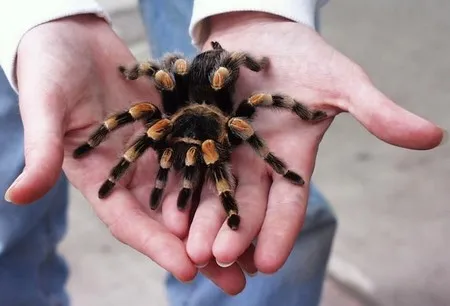
Safe handling techniques are crucial for the well-being of both the tarantula and the handler in the UK. If handling is necessary, it is essential to approach the tarantula slowly and gently. Using a soft brush to encourage the tarantula to walk onto your hand is safer than attempting to grab it. Always handle the tarantula over a soft surface, such as a bed or a table, in case it falls. Avoid making sudden movements, as this can startle the tarantula and potentially lead to a defensive reaction. Wash your hands thoroughly before and after handling to prevent the spread of any potential contaminants. Ensure that you handle the tarantula for short periods to minimize any stress. It’s also important to remember that not all tarantulas enjoy being handled, so always prioritize the animal’s comfort and safety.
Recognizing Signs of Stress in Tarantulas
Recognizing signs of stress in a pet tarantula is critical for providing the best care and ensuring its well-being in the UK. Common signs of stress include the tarantula flicking its urticating hairs, which are small, irritating hairs that it can kick off its abdomen as a defense mechanism. Other signs include a defensive posture, such as rearing up on its legs or raising its fangs, and rapid movements. Loss of appetite can also be a sign of stress. If you observe these signs, it’s essential to reduce any potential stressors, such as loud noises, excessive handling, or improper enclosure conditions. Providing a safe and secure environment, with appropriate humidity, temperature, and hiding places, will help to minimize stress. Observing the tarantula regularly and learning to recognize its behaviour is essential for ensuring it is healthy and content.
Conclusion The Wonderful World of UK Tarantulas
Owning a pet tarantula in the UK can be a rewarding experience, offering a unique opportunity to observe these incredible creatures. From the diversity of species available to their fascinating lifecycles and unique care requirements, there’s always something new to learn and appreciate. By understanding the amazing facts about pet tarantulas in the UK, you can ensure the health, happiness, and well-being of your arachnid companion. Remember to always prioritize the safety and well-being of your tarantula by providing a suitable habitat, a balanced diet, and responsible handling practices. As you delve deeper into the world of pet tarantulas, you’ll discover a deep appreciation for their beauty and complex behaviours. Embrace this opportunity to learn, observe, and contribute to the responsible care of these remarkable creatures, ultimately enriching both your life and the life of your pet tarantula.