Essential Panama Red Rump Tarantula Care Tips
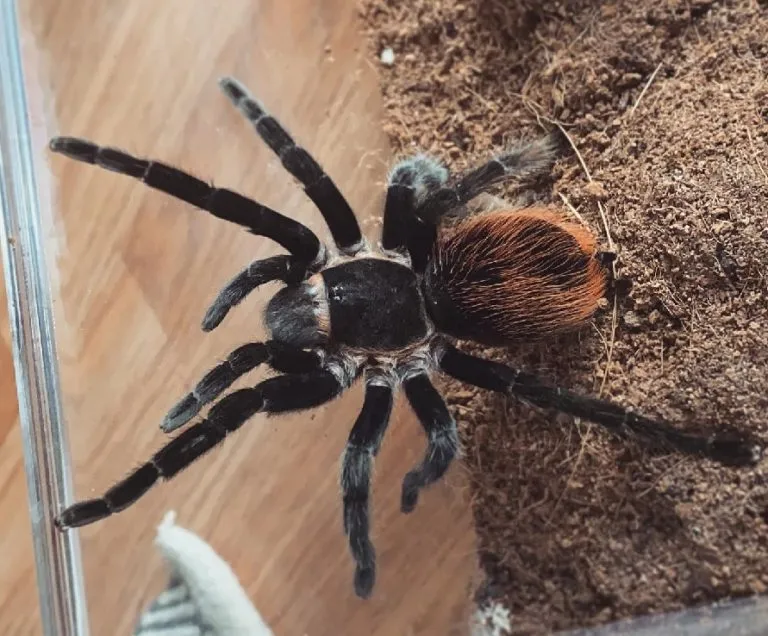
The Panama Red Rump Tarantula, a vibrant and captivating creature, is a popular choice for tarantula enthusiasts. Known for its striking coloration and relatively docile temperament, this species can be a rewarding pet. However, like all exotic pets, the Panama Red Rump Tarantula requires specific care to thrive. This guide provides five essential care tips that every owner should know to ensure their tarantula lives a long, healthy, and fulfilling life. Proper care not only ensures the well-being of your tarantula but also enhances your enjoyment as a pet owner.
Temperature and Humidity Control
Maintaining the correct environmental conditions is crucial for the health of your Panama Red Rump Tarantula. Temperature and humidity play a significant role in its overall well-being, influencing its metabolism, molting process, and activity levels. Failing to provide the right environment can lead to stress, health issues, and even premature death. Therefore, monitoring and adjusting these factors are essential aspects of responsible tarantula ownership.
Ideal Temperature Range

The Panama Red Rump Tarantula thrives in a temperature range between 75-85°F (24-29°C). A consistent temperature is more important than an exact number, so avoid drastic fluctuations. Use a reliable thermometer to monitor the temperature within the enclosure. If needed, provide a low-wattage heat source, such as a heat mat or a ceramic heat emitter, attached to the side of the enclosure to gently increase the ambient temperature. Always ensure the heat source is regulated by a thermostat to prevent overheating, which can be fatal.
Humidity Levels Explained
Humidity is equally critical, mimicking the tarantula’s natural habitat. The ideal humidity level for a Panama Red Rump Tarantula is around 70-80%. You can measure humidity using a hygrometer, readily available at pet stores. To maintain this level, lightly mist the enclosure once or twice a week, depending on your environment. Over-misting can lead to mold growth, so it’s important to find the right balance. Proper ventilation is also essential to prevent stagnant air and promote healthy conditions within the enclosure.
Substrate Selection
Choosing the right substrate is vital for providing a comfortable and healthy environment for your Panama Red Rump Tarantula. The substrate not only serves as a bedding material but also helps regulate humidity, provides a surface for burrowing, and allows the tarantula to feel secure. Several factors should be considered when selecting a substrate, including its ability to retain moisture, its texture, and its suitability for the tarantula’s burrowing behavior. Always choose a substrate that is free from pesticides and other harmful chemicals.
Best Substrate Options

Popular and effective substrate options for the Panama Red Rump Tarantula include a mix of coco fiber, peat moss, and a small amount of vermiculite. Coco fiber is excellent at retaining moisture, while peat moss adds acidity and helps prevent mold growth. Vermiculite can improve the overall texture of the substrate. Avoid using substrates like sand or gravel, as they do not retain humidity well and can be harmful to the tarantula. The substrate should be deep enough to allow the tarantula to burrow if it chooses.
Substrate Depth Considerations
The depth of the substrate is important for your tarantula’s well-being. The substrate should be at least 4-6 inches deep for juvenile tarantulas, and deeper for adults to allow them to burrow comfortably. Deeper substrates also help to maintain humidity levels and provide a more natural environment. Regularly check the substrate for cleanliness and replace it as needed. Spot-clean the substrate weekly, removing any uneaten food or waste products. The substrate should be replaced completely every few months to maintain hygiene and prevent the buildup of harmful bacteria or mold.
Feeding Your Panama Red Rump
Proper feeding is crucial for the growth and health of your Panama Red Rump Tarantula. Their diet in the wild consists mainly of insects, and it’s important to replicate this in captivity. Feeding frequency and the type of food you provide can significantly impact your tarantula’s development. Overfeeding can lead to health issues, while underfeeding can hinder growth. The age and size of your tarantula will determine the appropriate feeding schedule and portion sizes, so careful observation and adjustment are key.
Appropriate Food Types

The primary food source for your Panama Red Rump Tarantula should be insects. Crickets, roaches (dubia roaches are a good option), and mealworms are common and readily available. Varying the diet can provide a broader range of nutrients. Make sure the insects you offer are gut-loaded before feeding them to your tarantula. Gut-loading involves feeding the insects nutritious foods like vegetables and commercial insect feed. This ensures your tarantula gets the maximum benefit from its meal. Avoid feeding wild-caught insects, as they may carry parasites or pesticides.
Feeding Frequency
The feeding frequency depends on the age and size of your tarantula. Spiderlings (young tarantulas) should be fed 2-3 times a week. Juvenile tarantulas can be fed once or twice a week, while adult tarantulas typically require feeding once every 1-2 weeks. Adjust the feeding schedule based on your tarantula’s appetite and behavior. A tarantula that consistently refuses food may be preparing to molt. Remove uneaten food within 24 hours to prevent mold growth and maintain enclosure hygiene. Always ensure that your tarantula has access to fresh water after feeding.
Water and Hydration
Providing a clean water source is critical for the health and hydration of your Panama Red Rump Tarantula. Tarantulas need access to fresh water at all times to stay hydrated. Water helps with bodily functions, facilitates the molting process, and maintains overall health. Proper hydration is especially important for tarantulas kept in a dry environment. The water should always be clean and easily accessible.
Water Dish Essentials

Use a shallow water dish to prevent your tarantula from drowning. The dish should be placed on the substrate and be easily accessible. Ensure the water dish is stable and won’t tip over. Replace the water in the dish every day or two to keep it fresh and prevent the growth of bacteria and algae. Use distilled or dechlorinated water to avoid exposing your tarantula to harmful chemicals. Regularly clean the water dish with warm water and soap, ensuring all soap residue is thoroughly rinsed off before refilling.
Misting for Humidity
In addition to providing a water dish, misting the enclosure can help maintain humidity levels. Misting the enclosure helps with the molting process. Use a spray bottle filled with distilled or dechlorinated water. Lightly mist the enclosure walls and substrate, avoiding spraying the tarantula directly. Monitor the humidity levels with a hygrometer to avoid over-misting, which can lead to mold growth. Misting frequency should be adjusted based on the humidity levels in the enclosure and the surrounding environment.
Enclosure Size and Setup
The enclosure size and setup are critical factors for the comfort and well-being of your Panama Red Rump Tarantula. The enclosure should provide adequate space for movement and exploration. The design should mimic the tarantula’s natural habitat, allowing it to feel secure and thrive. A well-designed enclosure not only benefits the tarantula but also enhances the aesthetics of your living space. The size and setup of the enclosure should be carefully considered, as it directly impacts your tarantula’s health and happiness.
Recommended Enclosure Dimensions

The enclosure size should be appropriate for the tarantula’s size. A good rule of thumb is to provide an enclosure that is at least three times the tarantula’s leg span in width and length. For a juvenile, a 5-gallon tank might be sufficient. However, adult Panama Red Rump Tarantulas require more space; a 10-gallon or larger tank is generally recommended. The enclosure should be tall enough to allow for substrate depth and decorations without restricting movement. Ensure the enclosure has a secure lid to prevent escapes.
Decor and Hiding Spots
Provide various decorations to enrich the tarantula’s environment and make it feel secure. Include a hide, such as a cork bark piece, a half-log, or a commercially available tarantula hide. These hiding spots allow the tarantula to retreat and feel safe, reducing stress. Add artificial plants or foliage to provide additional cover and visual interest. Avoid sharp objects that could injure the tarantula. The decorations should not only enhance the aesthetics of the enclosure but also provide opportunities for the tarantula to climb, explore, and feel secure. Regularly inspect the decorations for any signs of wear or damage.
By following these five essential care tips, you can ensure that your Panama Red Rump Tarantula thrives in captivity. Providing the correct temperature, humidity, substrate, diet, and enclosure setup will significantly contribute to your tarantula’s health and happiness. Remember that consistent care, observation, and adjustments are key to providing a fulfilling life for your exotic pet. Enjoy the rewarding experience of owning this fascinating and beautiful tarantula.