What is Molting in Tarantulas
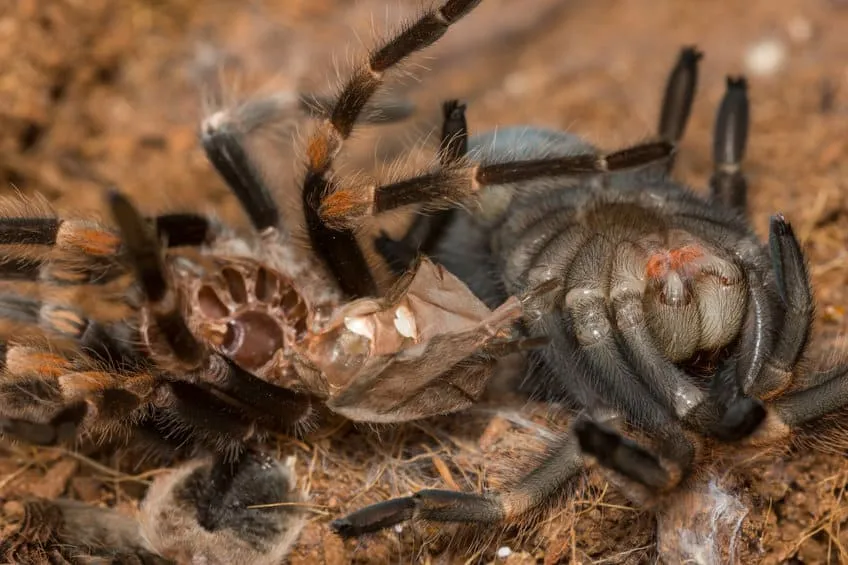
Molting is a fundamental biological process for tarantulas, and indeed, all arthropods. It’s the way these creatures grow and shed their old exoskeletons, which are essentially external skeletons. This exoskeleton, made of chitin, doesn’t grow, so as the tarantula grows, it must shed its old shell to reveal a new, larger one underneath. This process is not only crucial for growth but also for the regeneration of lost limbs and the overall health of the tarantula. Understanding molting is key to providing proper care for your pet tarantula and recognizing potential issues.
The Molting Process Explained
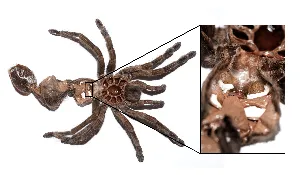
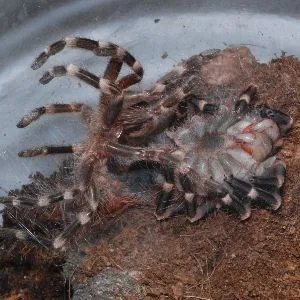
The molting process is quite fascinating and involves several stages. The tarantula first prepares for the molt by forming a new exoskeleton beneath the old one. This can take weeks or even months, depending on the tarantula’s age, species, and environmental conditions. During this time, the tarantula may stop eating or become less active. Once the new exoskeleton is ready, the tarantula will position itself, often on its back, and the old exoskeleton will split open. The tarantula then slowly wriggles out of its old shell, a process that can take anywhere from a few minutes to several hours. The new exoskeleton is initially soft and vulnerable, and the tarantula will remain in a protected state until it hardens.
Pre-Molting Signs

Recognizing the signs of an impending molt is vital for ensuring your tarantula’s safety during this vulnerable time. Common pre-molt indicators include a change in the tarantula’s behavior, such as reduced appetite, lethargy, and spending more time in its burrow. The abdomen might appear darker or more swollen as the new exoskeleton forms. The tarantula might also refuse to eat or may appear restless. These signs can vary depending on the species and individual tarantula, so it’s essential to observe your pet closely and learn its typical behavior.
Changes in Appearance and Behavior
In addition to the general signs, there are more specific changes to look out for. The tarantula’s abdomen might appear darker or more translucent. The fangs will often appear lighter in color, and the tarantula might start sealing itself off in its burrow. Some tarantulas will also lose hairs from their abdomen, which is a defensive mechanism they use. These changes signal that the molting process is imminent, and it’s crucial to avoid disturbing the tarantula during this critical period. Provide a quiet and safe environment for your pet.
Creating the Perfect Molting Environment
Providing the right environment is crucial for a successful molt. This includes maintaining proper humidity and temperature levels. The enclosure should be free of any hazards that could injure the tarantula during the molt, such as sharp objects or loose decorations. It’s also important to avoid handling the tarantula during the pre-molt phase. Ensure there is adequate substrate for the tarantula to burrow if it chooses, as this provides a sense of security. A stressed tarantula is more likely to have issues with molting, so create a peaceful, stable habitat. After molting, the tarantula’s new exoskeleton is soft, and any disturbance could be very harmful.
Humidity and Temperature
Humidity and temperature play vital roles in successful molting. The specific humidity and temperature requirements vary depending on the tarantula species. Generally, tropical species need higher humidity levels than those from drier climates. Use a hygrometer to monitor humidity levels and adjust as needed by misting the enclosure or providing a water dish. Maintain the appropriate temperature range for your species to prevent stress and ensure the tarantula’s metabolism functions correctly. Incorrect humidity or temperature can lead to a failed molt, which can be fatal.
Why Do Tarantulas Molt
Molting serves multiple purposes for tarantulas, extending far beyond simple growth. It’s a process intrinsically linked to their life cycle and survival. Each molt represents a new stage of development, where the tarantula expands in size, strengthens its defenses, and sometimes even changes its coloration. The shedding of the exoskeleton also removes parasites, debris, and other unwanted elements that accumulate over time. It is a complete renewal of the tarantula’s external structures, maintaining their health and vitality.
Growth and Development
The primary reason tarantulas molt is to grow. The exoskeleton doesn’t expand, so the tarantula must shed it to get bigger. Young tarantulas molt frequently, sometimes every few weeks or months, as they grow rapidly. As they mature, the molting frequency decreases, with adults molting once or twice a year, or even less often. Each molt allows the tarantula to increase in size and replace old worn structures with new, more efficient ones. The new exoskeleton emerges with a larger size allowing the tarantula to expand and grow.
Regeneration
Molting allows tarantulas to regenerate lost limbs. If a tarantula loses a leg or other appendage, it will regrow it during the next molt. This regeneration process is not always perfect, and the new limb may be slightly smaller or different in appearance than the original. However, it restores the tarantula’s mobility and ability to hunt. This regenerative capacity is a remarkable adaptation that aids tarantulas in surviving injuries and predator encounters, ensuring that they can maintain their functionality and continue to thrive in their environment.
Top 5 Amazing Facts About Molting Tarantulas
Fact 1
Tarantulas can molt multiple times throughout their lives. Juvenile tarantulas will molt many times a year as they grow, whereas adult tarantulas may only molt once a year or even less frequently. The frequency of molting is a clear indicator of age and growth, with younger tarantulas experiencing more frequent molts to accommodate their rapid development.
Fact 2
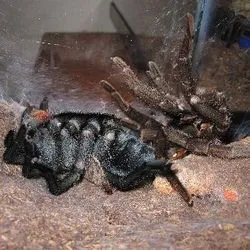
The molting process can take a long time. It can last from a few minutes to several hours, depending on the size and species of the tarantula. The tarantula will lie on its back and slowly wriggle out of its old exoskeleton. This is a vulnerable time, and it is essential not to disturb the tarantula during molting.
Fact 3
Tarantulas can regenerate lost limbs during molting. If a tarantula loses a leg, it will regrow it during the next molt. The new limb may be slightly smaller or different in appearance than the original, but it will function properly. This ability is a remarkable adaptation that helps tarantulas survive injuries.
Fact 4
After molting, tarantulas are very vulnerable. The new exoskeleton is soft and takes a few days to harden. During this time, the tarantula is defenseless. They often stay hidden in their burrows until their new exoskeletons harden, giving them time to recover and become fully functional.
Fact 5

The molted exoskeleton is a perfect replica of the tarantula. It includes every detail, from hairs to fangs. Some keepers even collect the molted exoskeletons as souvenirs. Studying these exoskeletons can provide insights into the tarantula’s health and growth.
Post-Molting Care
Once the tarantula has molted, it’s essential to provide proper care to ensure its recovery and well-being. The newly molted tarantula is fragile and needs time to harden. It’s also important to monitor them closely to ensure they are adjusting well to their new exoskeleton. Adjusting your care routine during this phase will help your tarantula thrive.
Feeding and Hydration
After a molt, tarantulas will often be very hungry. Wait a week or so before offering food, as the fangs and chelicerae need to harden. Offer appropriately sized prey items, and ensure they are readily available. Make sure to provide fresh water, either in a shallow dish or by lightly misting the enclosure. This hydration is critical for recovery and the continued health of the tarantula. The tarantula may not eat for several days or even weeks after the molt, depending on its age and species, so don’t be alarmed if it does not eat immediately.
Handling and Observation

Avoid handling the tarantula immediately after a molt, as its new exoskeleton is soft and vulnerable. Any injury during this period could be fatal. Observe the tarantula closely for any signs of distress or abnormalities. Ensure that the humidity and temperature levels are maintained. Monitor the tarantula’s feeding behavior and look for any signs of illness or injury. Providing a secure and appropriate environment is essential for their well-being during this vulnerable time. Careful observation will help you ensure a healthy and thriving tarantula.