Mexican Red Knee Tarantula Care Top 5 Tips
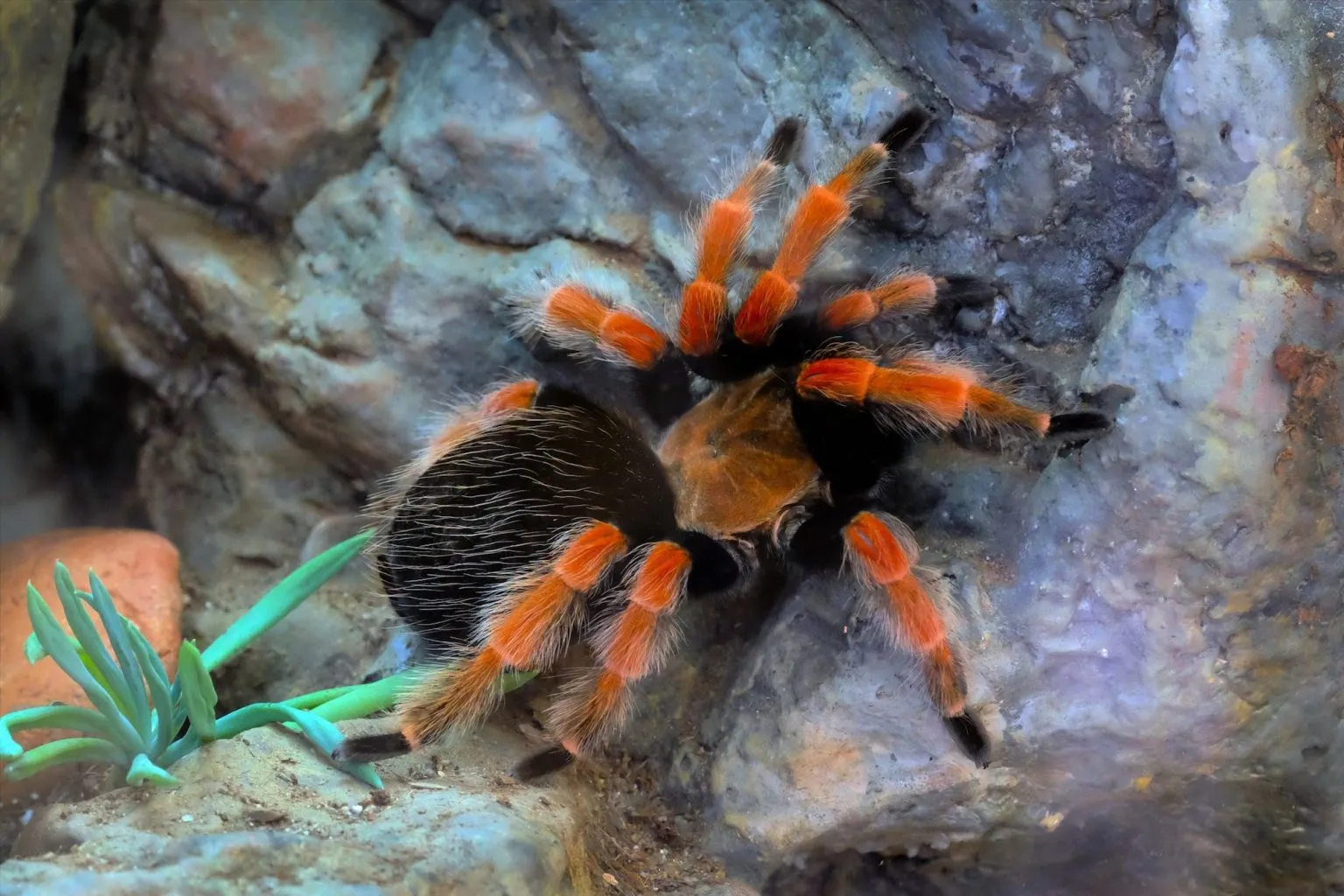
The Mexican Red Knee Tarantula (Brachypelma hamorii) is a popular pet, known for its striking appearance and relatively docile temperament. These captivating creatures, native to the Pacific coast of Mexico, bring a touch of the exotic to any home. However, they require specific care to thrive. This guide provides essential tips to ensure your Mexican Red Knee Tarantula lives a long, healthy, and fulfilling life. From enclosure setup to feeding and handling, understanding their needs is crucial for responsible pet ownership. Following these top 5 tips will help you become a successful tarantula keeper and enjoy the unique presence of this beautiful arachnid.
Choosing the Right Enclosure
The enclosure is the cornerstone of your tarantula’s well-being. A suitable habitat provides a safe, secure, and comfortable environment, mimicking their natural habitat as closely as possible. The right enclosure minimizes stress and promotes healthy behavior. It’s essential to prioritize the tarantula’s needs when choosing an enclosure, considering factors like size, ventilation, and ease of maintenance. An unsuitable enclosure can lead to various health issues, including stress, refusal to eat, and even molting problems. Choosing the right enclosure is about creating a thriving environment and making your tarantula feel safe and sound.
Enclosure Size and Setup

Size matters when it comes to a tarantula’s home. While they don’t need vast spaces, a properly sized enclosure is essential for their comfort and safety. A general rule is to provide an enclosure that’s approximately three times the tarantula’s leg span in width and length. Height is also important, especially for arboreal species. For a Mexican Red Knee, a terrestrial species, a 10-gallon tank is usually suitable for juveniles, while adults often thrive in a 20-gallon long tank. Ensure the enclosure has a secure lid to prevent escapes. The enclosure should also have adequate ventilation to prevent the buildup of harmful moisture and promote air circulation, but be mindful that excessive ventilation can make maintaining humidity levels a challenge. Consider adding a layer of substrate, which will not only provide a more natural look, but will help with burrowing.
Substrate and Decor
The substrate is the bedding material that forms the base of the enclosure. It serves multiple purposes, including providing a surface for the tarantula to walk on, allowing them to burrow, and helping to maintain humidity. For Mexican Red Knees, a substrate mix of coconut fiber, peat moss, and a bit of vermiculite works well. These materials retain moisture effectively and create a natural environment. Avoid using substrates like sand or gravel, as they can be difficult for the tarantula to burrow in and may not hold moisture as well. Decorating the enclosure with items like cork bark, artificial plants, and a water dish provides hiding places and adds visual interest. Make sure the decor is secure and doesn’t have sharp edges that could harm your tarantula. Ensure there are multiple hiding spots, as they will spend most of their time in these locations. The right substrate and decor make the enclosure functional and aesthetically pleasing.
Maintaining the Right Humidity and Temperature
Humidity and temperature are critical for the health of your Mexican Red Knee Tarantula. These environmental factors directly impact their ability to molt successfully, stay hydrated, and thrive. In their natural habitat, these tarantulas experience specific climate conditions, and replicating those conditions in captivity is essential. Providing the right balance of temperature and humidity minimizes stress and promotes their well-being. Regularly monitoring and adjusting these parameters ensures the tarantula’s health and happiness. Consistent maintenance helps in preventing health problems and creating a comfortable home for your pet.
Temperature Control

Mexican Red Knees prefer a temperature range between 75-85°F (24-29°C). Maintaining a consistent temperature is easier if the room temperature is already within this range. If not, a heat mat placed on the side of the enclosure (never underneath, as this can cause overheating) can help to regulate the temperature. It’s crucial to monitor the temperature using a reliable thermometer. Avoid direct sunlight, which can cause the enclosure to overheat. Ensure that there are no drastic temperature fluctuations, as this can stress the tarantula and negatively impact its health. By paying attention to the temperature, you’re providing a stable environment that supports the tarantula’s metabolic processes.
Humidity Levels
Humidity is essential for successful molting, as it helps the tarantula shed its exoskeleton properly. The ideal humidity for Mexican Red Knees is around 60-70%. You can achieve this by misting the enclosure with dechlorinated water once or twice a week, depending on the humidity levels. Ensure the substrate is slightly moist but not waterlogged, as excessive moisture can lead to mold and bacterial growth. Using a hygrometer to monitor the humidity levels is highly recommended. Proper ventilation is also important, as it helps prevent the buildup of condensation and excessive moisture. Consistent humidity levels minimize the risk of molting problems and ensure the tarantula remains healthy and active. Keep the enclosure clean from mold and fungus.
Feeding Your Mexican Red Knee Tarantula
Providing the right food is essential for your tarantula’s health, growth, and overall well-being. Understanding their dietary needs ensures that they receive the necessary nutrients to thrive. Overfeeding or underfeeding can have negative consequences, so it is important to understand proper feeding practices. From choosing the right prey items to establishing a feeding schedule, proper feeding helps to maintain a healthy and vibrant tarantula. A well-nourished tarantula is more likely to exhibit natural behaviors, molt successfully, and live a long, healthy life.
Appropriate Food Items

The main diet for a Mexican Red Knee Tarantula consists of insects. Crickets, mealworms, and roaches are all suitable options. The size of the prey should be appropriate for the tarantula’s size; as a general rule, the prey should be no larger than the tarantula’s body. Variety is key, so consider offering a mix of different insects to ensure a balanced diet. Always ensure the prey is gut-loaded (fed nutritious food) before offering it to your tarantula, as this increases the nutritional value. Avoid feeding wild-caught insects, as they can carry parasites or pesticides that are harmful to your tarantula. Remove any uneaten prey within 24 hours to prevent stress to the tarantula and maintain hygiene in the enclosure. A healthy and varied diet is crucial for optimal growth and development.
Feeding Frequency
Feeding frequency depends on the tarantula’s age and size. Spiderlings and juvenile tarantulas typically need to be fed more often, about every 3-7 days. Adult tarantulas can be fed less frequently, around once every 1-2 weeks. Observe your tarantula’s feeding habits. If it consistently refuses food, it may be in premolt, and you should stop feeding until it molts. Avoid overfeeding, as this can lead to health problems. Always ensure there is fresh water available at all times, even if the tarantula is not eating. Adjust the feeding schedule based on the tarantula’s behavior, appetite, and growth rate. A consistent feeding schedule ensures the tarantula receives adequate nutrition.
Providing Clean Water
Water is essential for all life, and your Mexican Red Knee Tarantula is no exception. Providing a clean and accessible water source is crucial for its hydration and overall well-being. They need fresh water to regulate their bodily functions and survive. Regular water maintenance helps prevent dehydration and other health problems. Proper water provision ensures that your tarantula remains healthy and active. Making water available is one of the most important care requirements, so water management is key to ensure the tarantula’s health.
Water Dish Options

The water dish should be shallow enough to prevent the tarantula from drowning, especially for smaller specimens. A bottle cap or a shallow dish specifically designed for reptiles works well. Ensure the dish is stable and won’t tip over easily. The dish should be sized appropriately for the tarantula, and it shouldn’t take up too much space within the enclosure. Consider using a sponge in the water dish to prevent the tarantula from drowning and to provide a surface for them to drink from. Clean the water dish regularly to prevent the growth of bacteria and algae. Choose a water dish that’s safe, accessible, and easy to maintain. Always make sure the water is fresh and clean.
Water Quality
Always use fresh, clean water for your tarantula. Tap water often contains chlorine and other chemicals that can be harmful. Ideally, use dechlorinated water or bottled spring water. Change the water in the dish at least once a week, or more often if it becomes dirty. Regularly check the water for any debris or contaminants. Ensure that the water dish is easily accessible and that the water is at a suitable depth for the tarantula. Regularly changing the water ensures your tarantula stays hydrated and minimizes health risks. Clean, fresh water supports their overall health and provides a basic necessity for life.
Handling and Safety
Mexican Red Knee Tarantulas are generally docile, but they can still bite if they feel threatened or startled. Understanding their behavior and taking precautions is crucial to ensure the safety of both you and the tarantula. Handling should be kept to a minimum, as it can stress the tarantula. However, if handling is necessary, it should be done carefully and respectfully. Being aware of safe handling practices and recognizing stress signals will help you enjoy a safe interaction with your tarantula. Handling requires knowledge and caution. A well-informed approach ensures that the tarantula and its keeper are safe from harm.
Safe Handling Practices

If you need to handle your Mexican Red Knee Tarantula, do so with extreme care. Handle it close to the ground, so it doesn’t have far to fall. Avoid quick movements or sudden noises, as these can startle the tarantula. Gently coax the tarantula onto your hand, allowing it to walk onto your palm. Never try to grab or force the tarantula. Be mindful of their hairs; avoid contact with these, as they can cause irritation. Always wash your hands thoroughly before and after handling. If the tarantula becomes agitated or defensive, gently place it back into its enclosure. Always supervise children when they interact with the tarantula, and teach them to be respectful of the animal. Patience and respect are paramount during handling. This will help minimize potential injuries.
Recognizing Stress Signals
Understanding a tarantula’s behavior is critical for safe handling. Knowing the signs of stress can prevent bites and ensure the tarantula’s well-being. Some indicators of stress include a defensive posture (rearing up on its hind legs, showing fangs), flicking hairs from its abdomen, or a rapid movement. If the tarantula displays any of these behaviors, it’s best to leave it alone. Never try to handle a tarantula that is in premolt, as it will be particularly vulnerable and defensive. Always respect the tarantula’s space and boundaries. The goal is to provide an environment where the tarantula feels safe and secure. Observe the tarantula regularly and watch out for any behavior changes. By understanding the animal’s signals, you can promote a safe and positive interaction.